
Last updated November 24, 2026
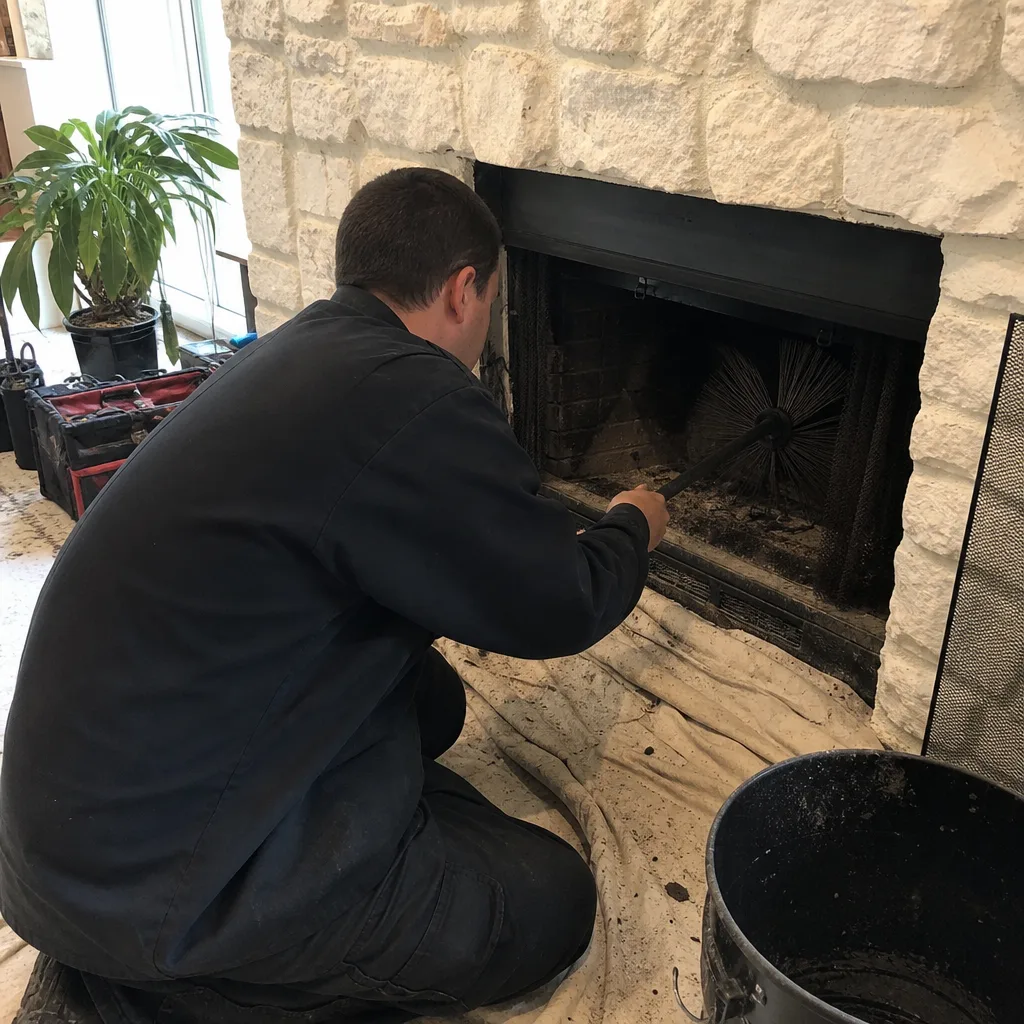
 Sweep & inspection
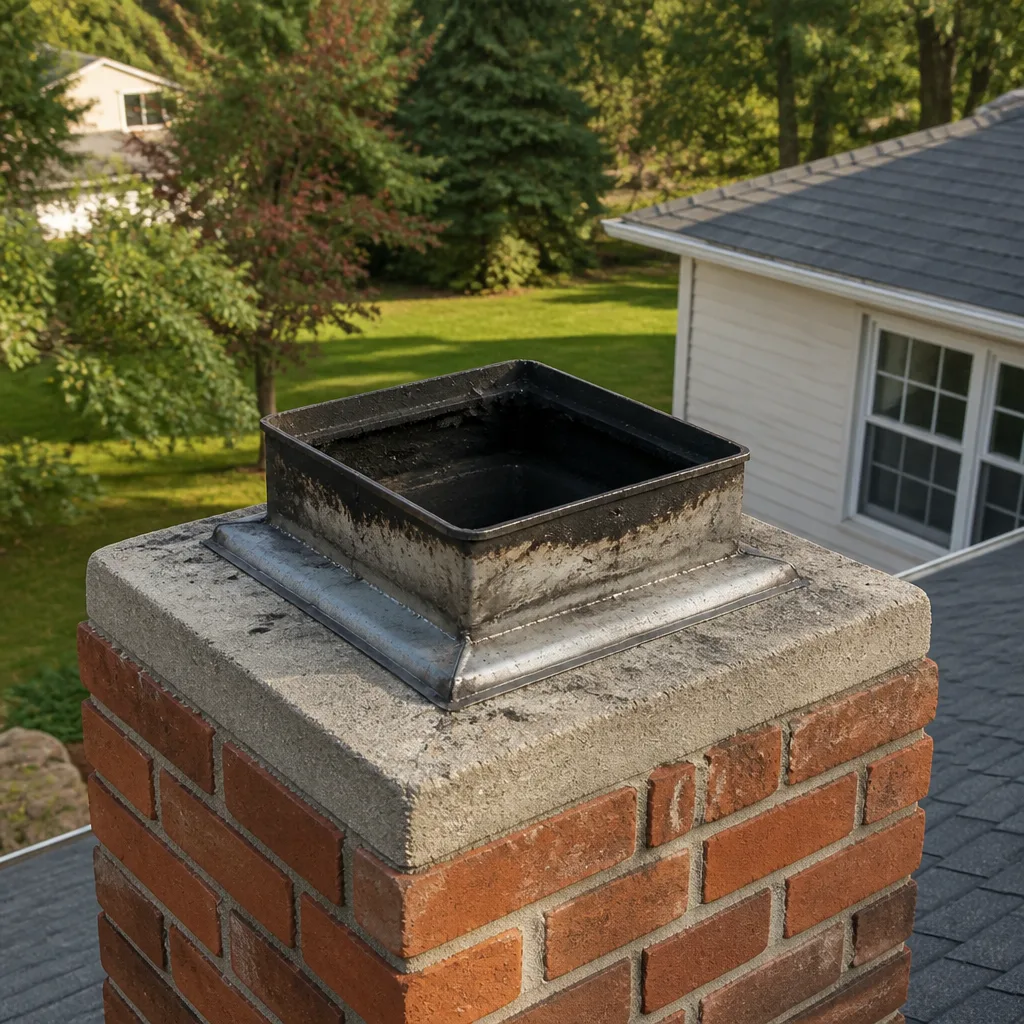
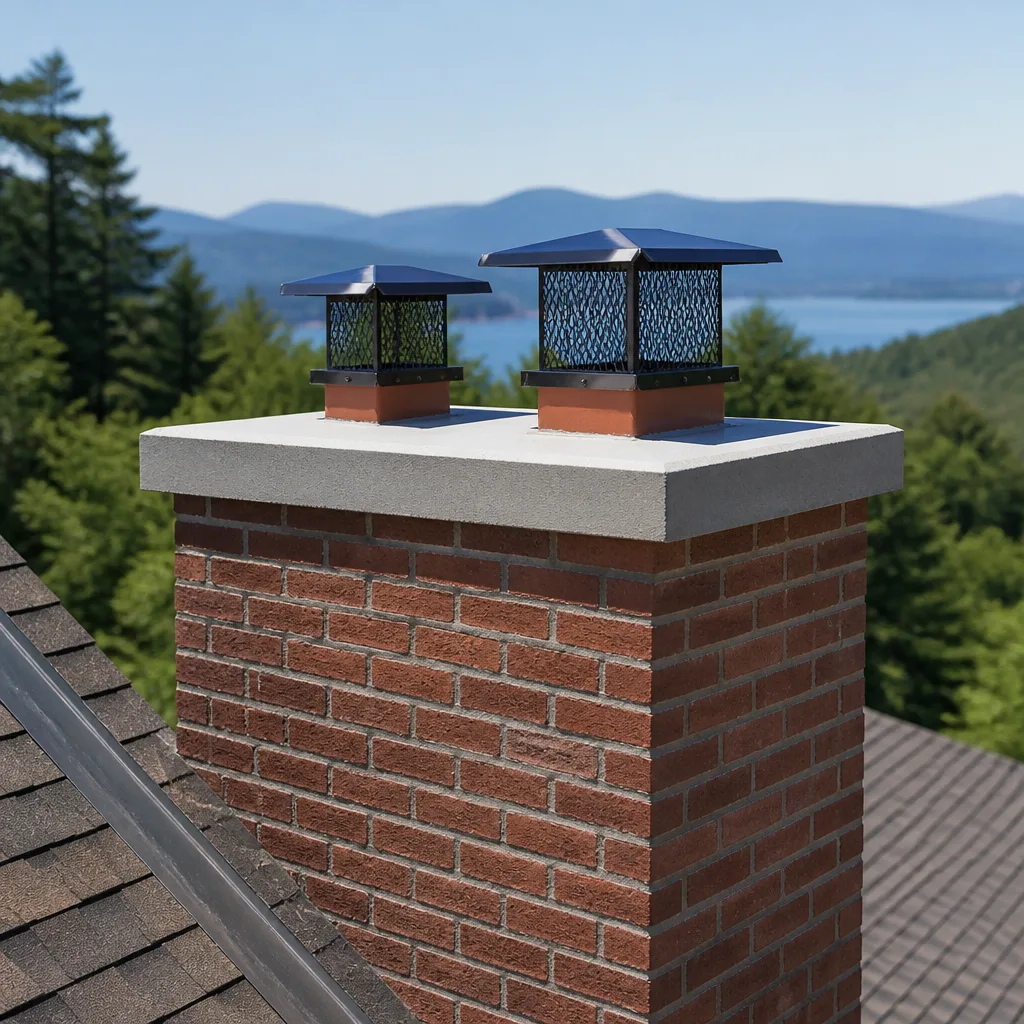 Caps & crowns
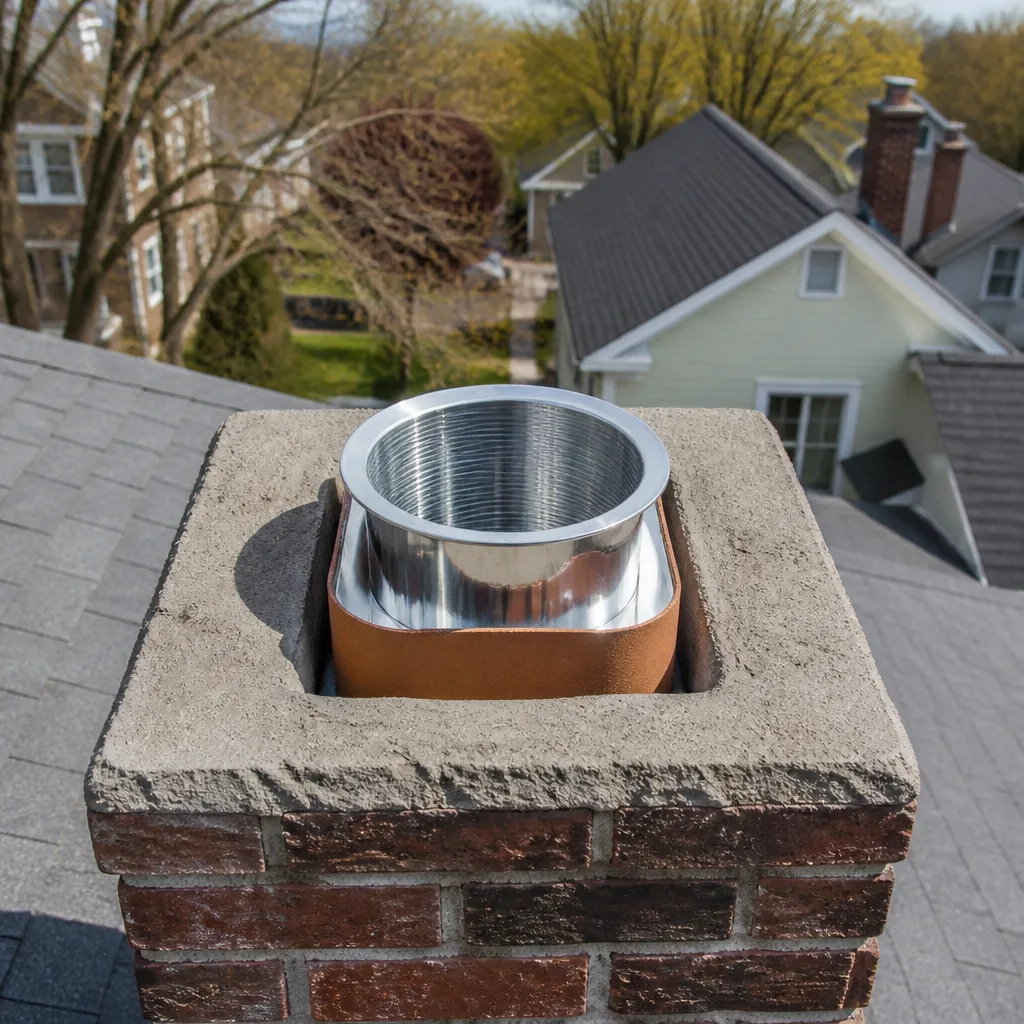 Flue relining
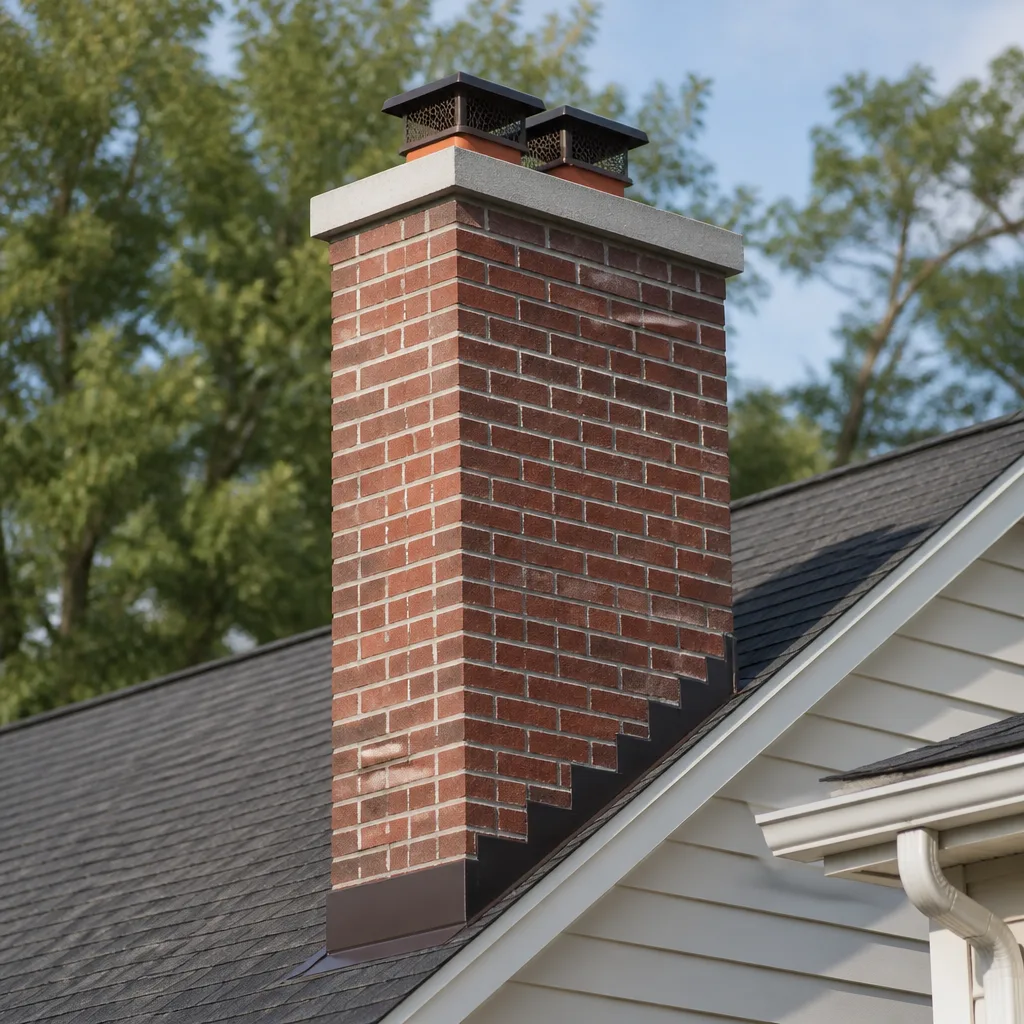 Masonry repair
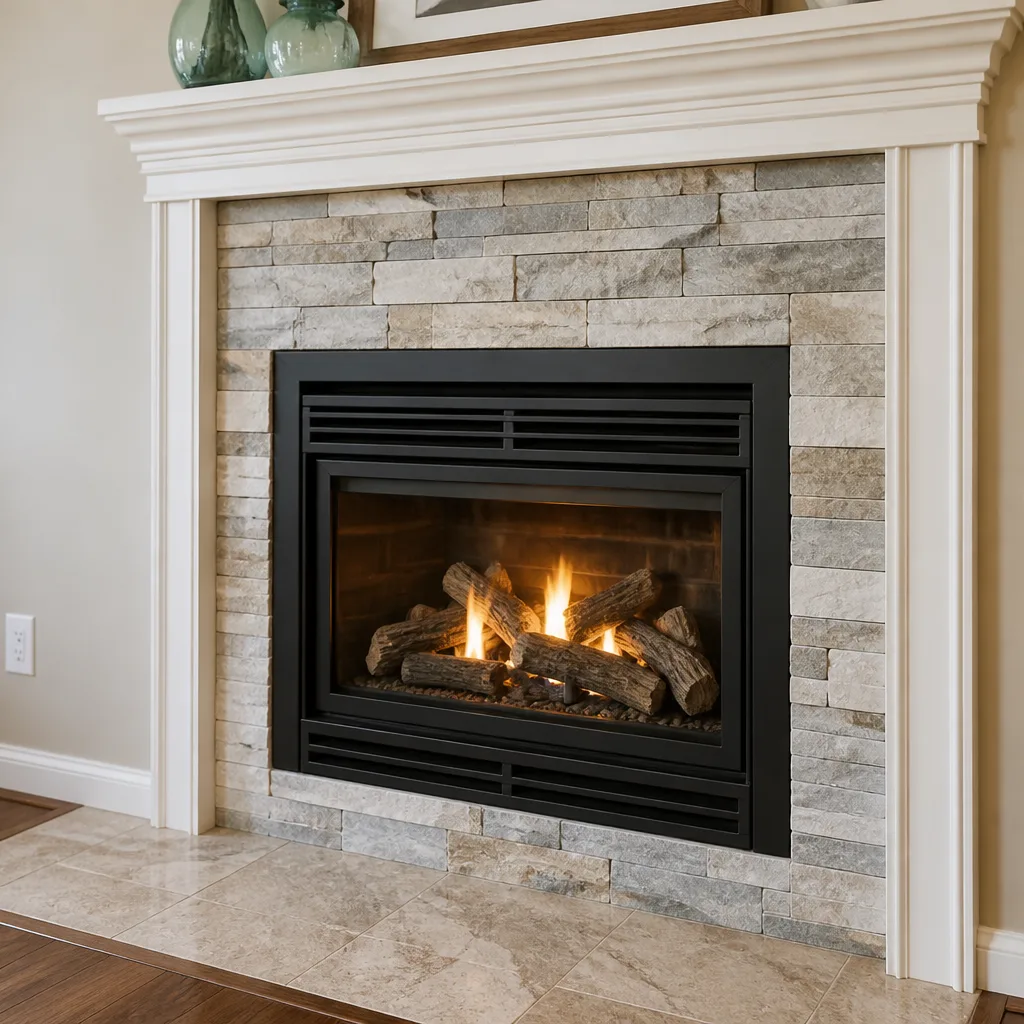 Gas fireplace service
Level 1 sweep and inspection to the NFPA 211 annual standard - flue, crown, cap, and flashing checked and photographed
Chimney sweep logs do not sweep chimneys. They loosen some creosote - which then falls where a brush and vacuum still have to collect it.
The Complete Guide to Chimney Cleaning in Virginia-Highland
Most Virginia-Highland chimneys were built before the National Fire Protection Association published its first chimney safety standard, and that single fact changes how a proper cleaning should go. The “standard sweep” most people picture – a brush up the flue and a shop vac at the firebox – was designed for a different era of construction entirely. Virginia-Highland’s pre-1960s masonry fireplaces have oversized flues, soft brick, and lime mortar that behave nothing like a modern insert or a factory-built chimney. So a cleaning that’s right for a 1990s build can be wrong for a 1920s bungalow down the street.
This guide walks through every step of a real chimney cleaning in Virginia-Highland, from why creosote forms the way it does in older flues to what a post-sweep report should actually document. You’ll leave knowing what to ask, what to expect, and how to tell a cosmetic sweep from a full-system evaluation.
Quick Answer
Chimney cleaning in Virginia-Highland is a multi-step diagnostic service, not a brush-and-go job. For pre-1960s masonry chimneys – which make up most of the neighborhood’s housing stock – a proper cleaning includes a Level 2 inspection, mechanical creosote removal, and a written report with photos and liner condition notes. A basic sweep typically costs $150-$350 in the Atlanta market depending on flue configuration and creosote severity, while a cleaning bundled with a full Level 2 inspection commonly runs $250-$500. The written estimate always sets the final price.
Styles & brands we work with
- Sweep & inspection
- Caps & crowns
- Flue relining
- Masonry repair
- Gas fireplace service
Table of Contents
- Why Virginia-Highland Chimneys Are Different
- How Creosote Forms in Oversized Flues
- Why a Level 2 Inspection Is the Baseline
- Soft Brick, Lime Mortar, and Cleaning Methods
- What a Proper Sweep Actually Involves
- What a Post-Sweep Report Should Document
- Cosmetic Sweep vs. Full-System Evaluation
- How Often Virginia-Highland Chimneys Need Cleaning
Why Virginia-Highland Chimneys Are Different
Walk through the streets around Virginia-Highland and you’ll see the same story repeated: brick bungalows and Tudor cottages from the 1920s through the 1950s, each one with a masonry fireplace built decades before anyone thought to standardize chimney construction. These fireplaces were sized generously – often with oversized flues suitable for what was then a coal or wood-burning life. When those same chimneys burn wood today, the flue is larger than the appliance needs, which changes how exhaust rises, cools, and deposits on the flue walls.
That’s the neighborhood-specific problem. A Virginia-Highland chimney that looks fine from the outside can carry a heavier creosote load than its size suggests, because the flue is running cold relative to the fire. It also means standard brush sizes don’t always clean the full flue surface evenly. A sweater working a pre-1960s Virginia-Highland chimney needs to read the flue shape before choosing a method.
Other factors specific to Virginia-Highland:
- Age of masonry: Many chimneys in the neighborhood are approaching or past the century mark on their original mortar joints.
- Soft local brick: Older brick in this part of Atlanta was fired at lower temperatures than modern brick, which cuts down on how aggressively it can be brushed.
- Lime mortar joints: Original lime mortar is softer than portland cement, so a stiff chimney brush used carelessly can erode joint material.
- Humidity and seasonal swings: Atlanta’s warm, humid summers and cooler winters cycle moisture in and out of exterior masonry, which affects mortar and flue tile condition year to year.
All of this means a Virginia-Highland sweep is as much about reading the system as removing soot. If you want a general service overview first, our Chimney Sweep Virginia-Highland page covers our full-service range.
How Creosote Forms in Oversized Flues
Creosote is the residue left behind when wood smoke cools before it exits the chimney. In a properly sized flue, exhaust stays hot all the way up, so less of it deposits on the walls. In the oversized flues common in Virginia-Highland bungalows, exhaust slows as it rises and hits cooler flue tile. That drop in temperature is what causes creosote to condense, and it can build in three distinct stages.
- First-degree creosote: A light, flaky soot that brushes off easily. Common after a season of occasional burning with well-seasoned wood.
- Second-degree creosote: A tar-like, crusty deposit that clings to flue tile. This takes mechanical removal with poly or wire brushes and sometimes chemical treatment.
- Third-degree creosote: A hardened, glazed coating that fuses to the flue tile. It’s the most serious form and requires specialized removal methods.
What we see in Virginia-Highland specifically: fireplaces that were sized for coal or a large open fire, then fitted later with wood inserts or used for occasional wood burning. The insert is more efficient, but it also concentrates heat where the flue wasn’t designed for it, and it can accelerate glaze formation on the upper flue tile. Gas conversions present a different issue: they don’t produce creosote, but they can leave behind corrosive byproducts that damage the flue from the inside over time.
The practical upshot: in Virginia-Highland, don’t judge creosote severity by how much you burn. Judge it by how the flue vents. A homeowner burning one cord a winter in an oversized flue can carry more second-degree creosote than a neighbor burning three cords in a properly sized one.
Why a Level 2 Inspection Is the Baseline
For any chimney in a pre-1960 home, a Level 2 inspection is not an upsell added on to a cleaning – it’s the minimum what a responsible sweep should perform. A Level 1 inspection is a visual check of accessible portions from the firebox and roof level. A Level 2 adds a video camera scan of the flue interior, checks of the attic and crawl space where the chimney passes through, and documentation of any joint damage, offset tiles, or gaps in the liner system.
In Virginia-Highland’s housing stock, that camera scan matters for three reasons:
- Hidden flue tile cracks. Hairline cracks that show up on camera are often invisible from either end of the flue, and they’re exactly what a creosote fire can exploit.
- Offset or shifted tiles. Century-old masonry fireplace flues often have tiles that have shifted with settling. A camera catches what a brush can’t feel.
- Previous liner work. Many Virginia-Highland chimneys have had liners installed decades ago by contractors whose work isn’t documented. A Level 2 inspection confirms whether the existing liner is intact and correctly sized.
We offer chimney inspection as a standalone service, not just a sales pitch attached to cleaning. If you want an honest condition report without committing to any additional work upfront, that’s a valid reason to call. A chimney inspection tells you what’s actually there – not what someone hopes to sell you.
When the inspection does turn up damage, the next step is often fireplace repair rather than full relining, and we’ll lay out both options in writing with photos so you can compare.
Soft Brick, Lime Mortar, and Cleaning Methods
Virginia-Highland’s older masonry is a specific combination: soft-fired brick from the early and mid-twentieth century, laid with lime mortar rather than modern portland cement. Lime mortar is more flexible and vapor-permeable than today’s cement, which is why it’s held up so long. It’s also softer. That difference matters when a sweep chooses tools.
Here’s what that means in practice:
- Brush stiffness: Stiff wire brushes used aggressively on soft brick and lime joints can erode the mortar and score the brick face. Poly brushes are often the right call for the upper portion of an older Virginia-Highland flue.
- Rotary vs. hand methods: Rotary cleaning is effective and thorough but has to be matched to the flue condition. On a flue with spalling tile or weakened joints, hand rodding or a gentler rotary approach protects the masonry.
- Chemical creosote removers: For second- and third-degree creosote on soft surfaces, chemical treatments that soften glaze before mechanical removal do less damage than brute-force scraping.
- Crown and cap coordination: Any cleaning that involves a rooftop visit is a good moment to check the crown for cracking and the cap for fit. That leads naturally into chimney cap & crown work when the top of the chimney needs attention.
We use the same materials chimney professionals specify by name – DuraFlex, HeatShield, Gelco, Olympia Chimney, Famco, Copperfield – because the product matters as much as the labor. When we see a flue tile crack in a Virginia-Highland chimney, HeatShield liner resurfacing is often the right fix: a restoration of the existing flue, not a patch. HeatShield is a specialized system that requires product knowledge to apply correctly, and it’s not something most general contractors carry. For full relining jobs on older Virginia-Highland chimneys, DuraFlex and Olympia Chimney systems provide durable, code-compliant options when resurfacing alone won’t do the job.
What a Proper Sweep Actually Involves
A proper sweep in a Virginia-Highland home follows a predictable sequence. It’s not a single action – it’s a short process with defined checkpoints. Here’s what it looks like step by step:
- Pre-sweep setup. Drop cloths or protective sheeting at the hearth and any doorways the technicians cross. A sealed vacuum is connected at the firebox to keep soot out of the room.
- Firebox and damper check. The damper is operated and inspected for smooth function, and the firebox walls are checked for cracked firebrick or mortar loss.
- Flue sweep. Brush size and stiffness are matched to the flue configuration. In older Virginia-Highland chimneys, this step often uses poly brushes or a gentler method on the upper section.
- Smoke chamber and shelf cleaning. The area above the damper collects soot and needs mechanical cleaning. It’s missed by quick sweeps.
- Camera scan. A video camera is run down the flue to document tile condition, joint integrity, and any obstructions – bird nests, leaf debris, or liner damage.
- Rooftop check. Crown, cap, spark arrestor, and flue tile openings are inspected from above. Cap absence or damage is noted.
- Report and recommendations. A written report with photos is handed to the homeowner at the end. See the next section for what that report should contain.
The whole process takes one to two hours for a typical Virginia-Highland chimney, longer if the creosote is heavy. Full-service coverage under one provider matters here: sweep, inspection, cap and crown, reline – no subcontracting, no runaround.
What a Post-Sweep Report Should Document
A post-sweep report is your record of the chimney’s condition on the day it was serviced. In a pre-1960 Virginia-Highland home, that record matters more than in a new build, because it’s how you (and any future contractor) track what’s changing year to year. Here’s what a genuine report should include:
- Date and technicians. When the work was performed and who performed it.
- Creosote level. Noted per flue, on the standard three-stage scale (first, second, or third degree).
- Firebox condition notes. Any cracked firebrick, deteriorated mortar joints, or damper issues flagged in writing.
- Flue scan photos. Still images from the camera scan, with any cracked tiles, offset joints, or obstruction visible in the frame.
- Liner condition notes. Written description of the existing liner, whether original clay tile or an installed liner system, and whether it meets the appliance’s needs.
- Crown and cap status. Condition of the crown from the rooftop check, and whether a cap is present, correctly sized, and functioning.
- Recommendations with timeline. Any work that should happen now, and any work that can safely wait until conditions warrant.
That last point is where trust is built or lost. The reader’s real hesitation is being told they need thousands of dollars of liner or masonry work they have no way to verify. Nothing should be recommended without camera evidence you can see for yourself, and a report should say plainly when work can safely wait. If the flue tile is intact and the creosote is first- or second-degree, sometimes the honest answer is “see you next year.”
Cosmetic Sweep vs. Full-System Evaluation
Not every chimney visit is the same, and the distinction between a cosmetic sweep and a full-system evaluation matters in a Virginia-Highland home. A cosmetic sweep removes soot and visible creosote from the firebox and the accessible portion of the flue. It’s appropriate when a chimney has been cleaned recently, the appliance is venting correctly, and there’s no reason to suspect hidden damage. In a modern home with a properly sized flue and only one or two seasons of accumulated soot, a cosmetic sweep is often sufficient.
A full-system evaluation goes further: it covers everything in a cosmetic sweep, then adds the Level 2 camera scan, the attic and crawl space inspection, the rooftop check, and a written report. This is what a Virginia-Highland pre-1960 chimney needs as its baseline. The reason is simple: the era of construction means hidden problems are plausible. Cracked flue tile, shifted joints, and deteriorated liners don’t announce themselves from the firebox.
When each is appropriate:
- Cosmetic sweep: Recent full evaluation, no changes to the appliance, low soot load from seasonal use, no symptoms (odor, downdraft, poor draw).
- Full-system evaluation: Any chimney in a home older than roughly 1960; a new-to-you home in Virginia-Highland; a change of appliance (wood insert, gas logs); a lightning strike or chimney event; symptoms like smoke rollback, persistent odor, or draft issues.
If you’re unsure which you need, ask. A chimney inspection as a standalone service is a good way to get an honest condition report – no cleaning attached, no upsell angle.
How Often Virginia-Highland Chimneys Need Cleaning
The general rule chimney professionals use is once per year for any chimney in active use, plus a cleaning whenever creosote reaches 1/8 inch of buildup on the flue wall. In Virginia-Highland, that annual schedule matters more than in newer neighborhoods because of the housing stock’s age and the oversized flue issue.
Burning habits adjust the schedule:
- Regular wood burning (multiple fires per week in season): Annual cleaning is the baseline, and inspect at 1/8 inch of creosote regardless of time elapsed.
- Occasional wood burning (a few fires per season): Annual inspection still recommended; cleaning only if buildup is present.
- Gas fireplace: No creosote, but annual inspection matters – gas appliances can produce corrosive byproducts and need venting checks.
- Chimney in a newly purchased Virginia-Highland home: Full evaluation before first use. The prior owner’s maintenance history is often unknown, and this neighborhood’s homes frequently change hands.
- After a chimney fire or a major storm event: Full evaluation before any further use.
For residents just outside Virginia-Highland proper who are comparing neighborhoods, our chimney sweep page for Ansley Park covers the same service in an adjacent area with a similar housing vintage.
Common Mistakes to Avoid
- Assuming a “sweep and go” is enough for an older home. In a Virginia-Highland pre-1960 build, a cleaning without a camera scan leaves you guessing about flue tile condition. The cleaning removes what’s visible; the scan reveals what’s hidden.
- Using a stiff wire brush on soft brick and lime mortar. It can erode joints and score the flue lining. Match the tool to the masonry – poly brushes and gentle rotary methods are often the right call on older Virginia-Highland flues.
- Skipping the crown and cap check. The rooftop portion of the visit is when crown cracks and cap damage get caught. Skipping it lets water intrusion progress quietly into the masonry.
- Treating a cleaning as a sales visit. If a sweep arrives and quickly recommends full relining without showing you inside-flue camera evidence, push back. Ask to see the photos before authorizing anything.
- Burning unseasoned wood in an oversized flue. In Virginia-Highland’s older chimneys, wet wood increases cooling and deposits more creosote than the fire size suggests. Seasoned wood burns hot and cleaner.
- Assuming gas means no service need. Gas fireplaces don’t produce creosote, but they still need annual vent and flue inspections. Corrosive byproducts and blocked vents are the issues, not soot.
- Ignoring chimney smell in summer. The musty, smoky odor many Virginia-Highland homeowners notice in humid months usually means creosote or soot is pulling moisture from the air. A cleaning and inspection resolves it.
See the difference
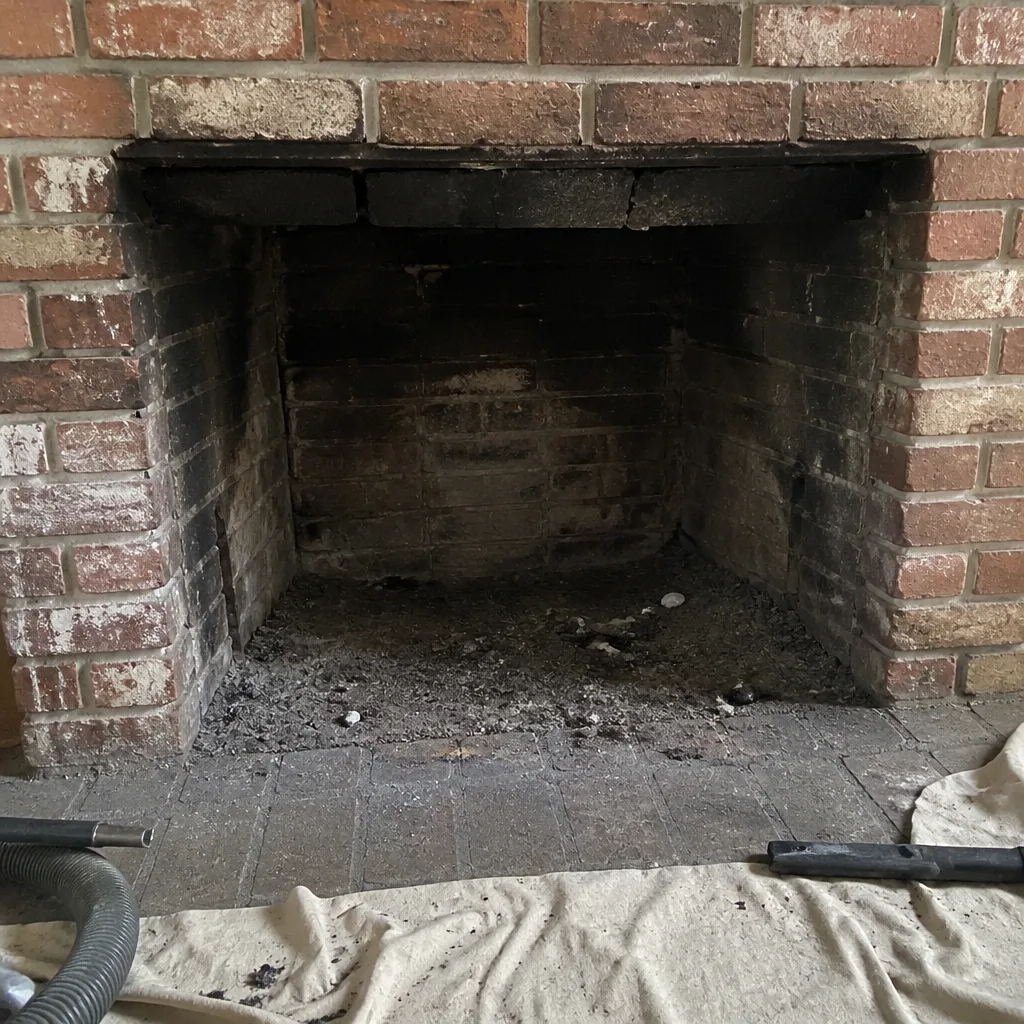 Before
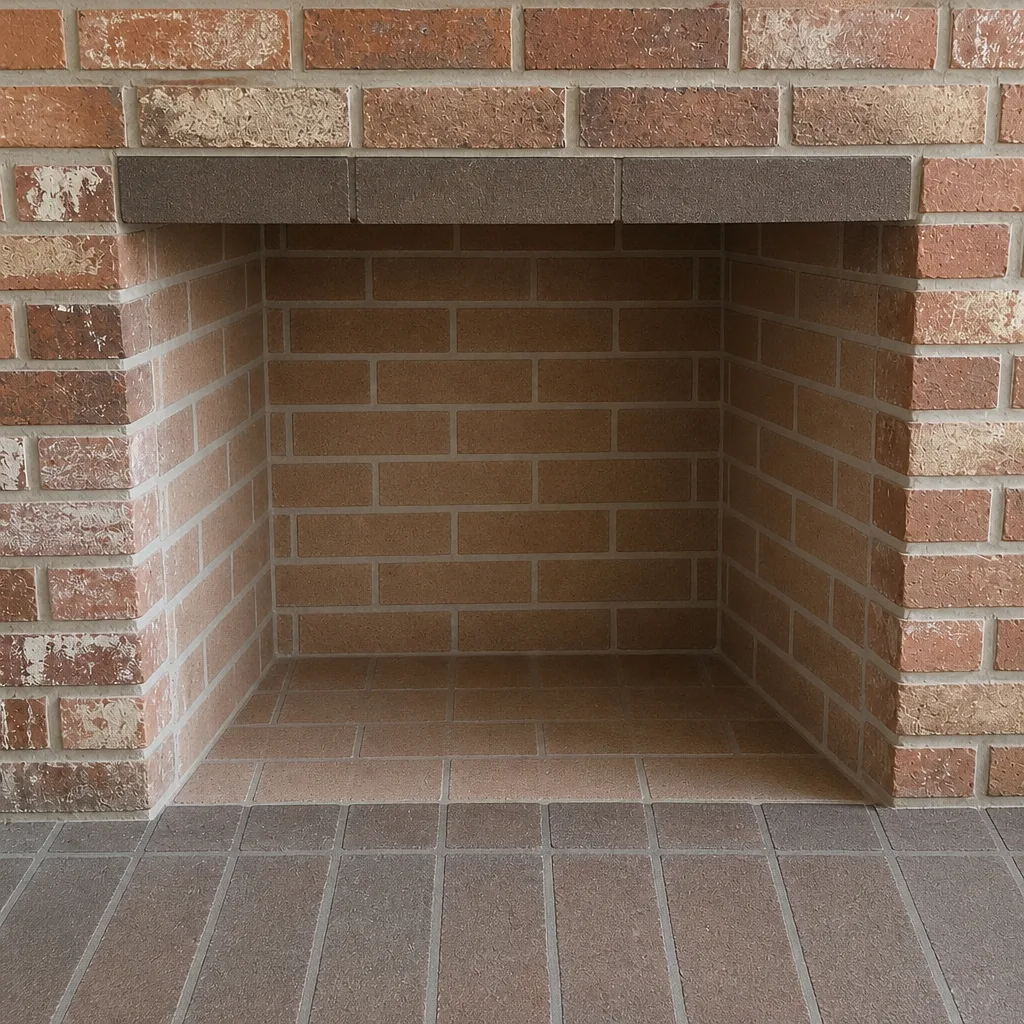 After
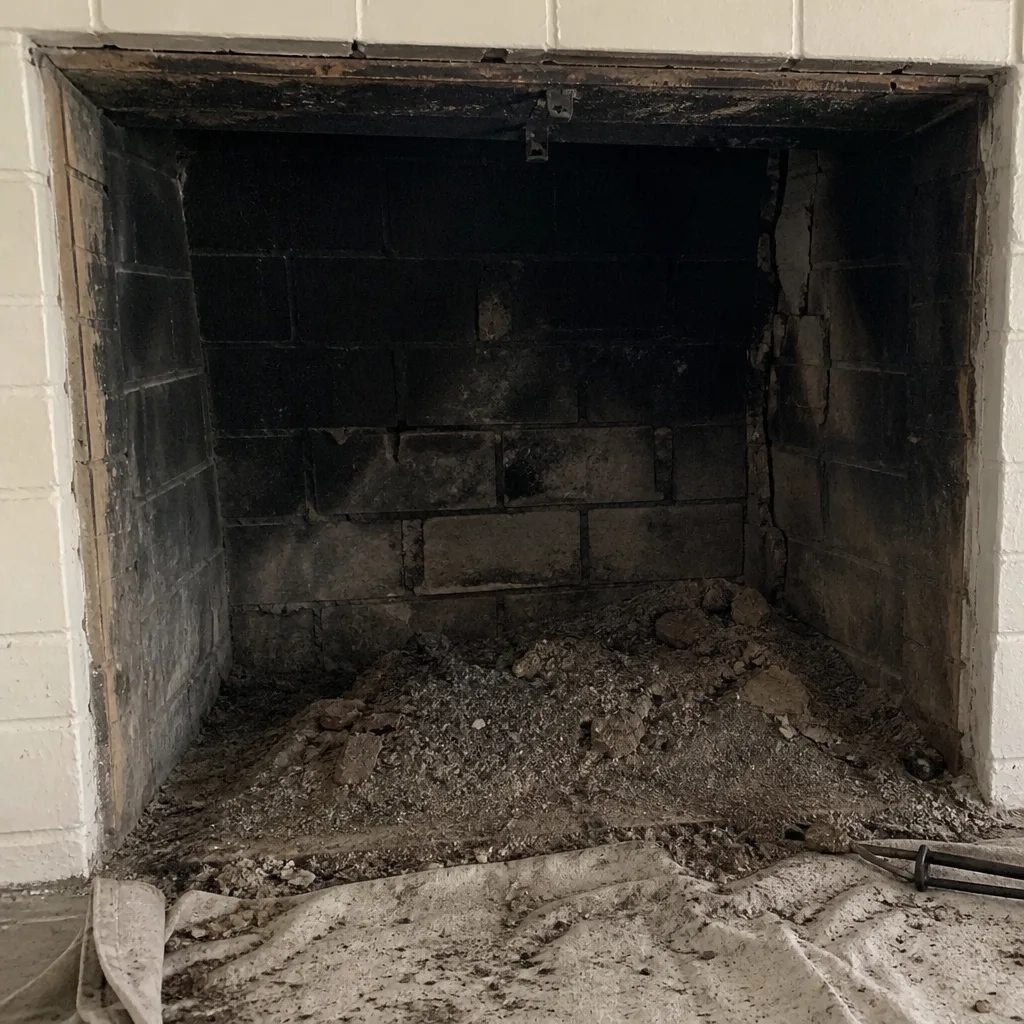 Before
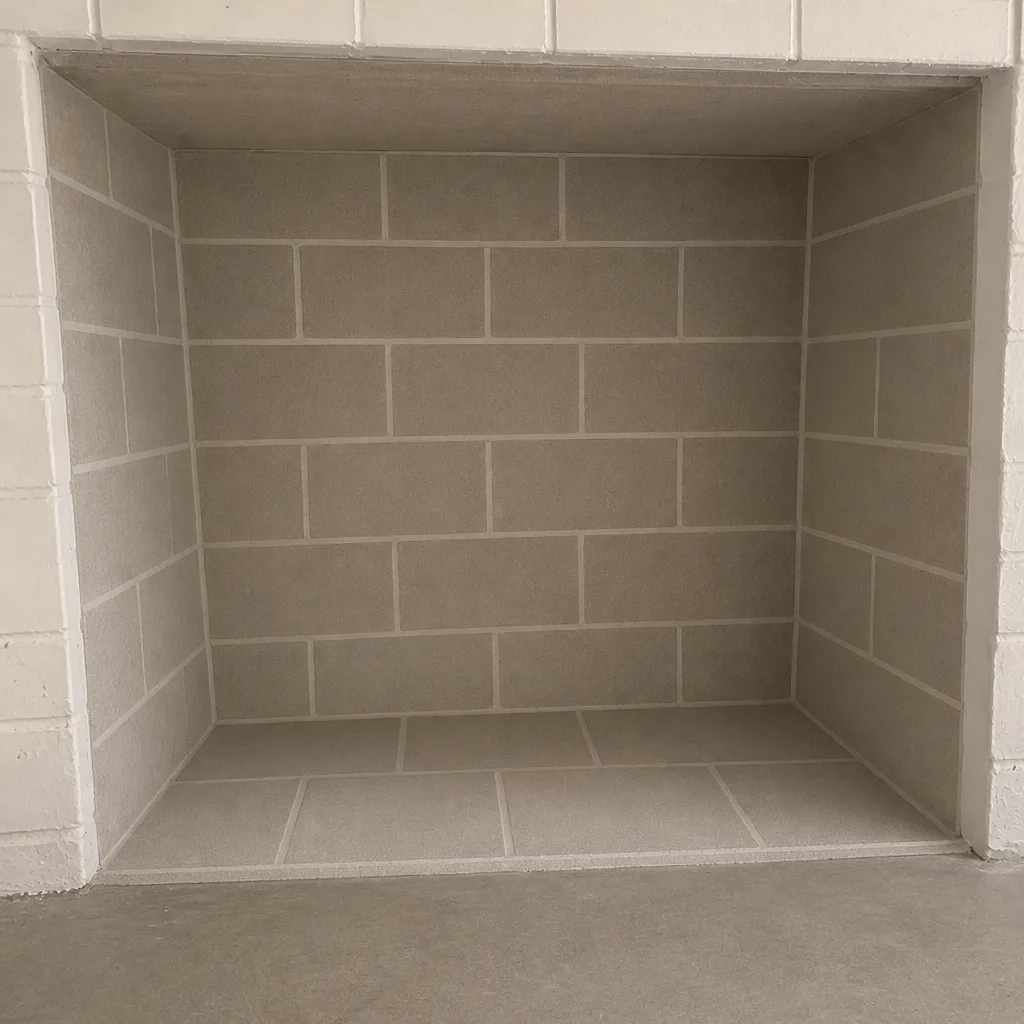 After
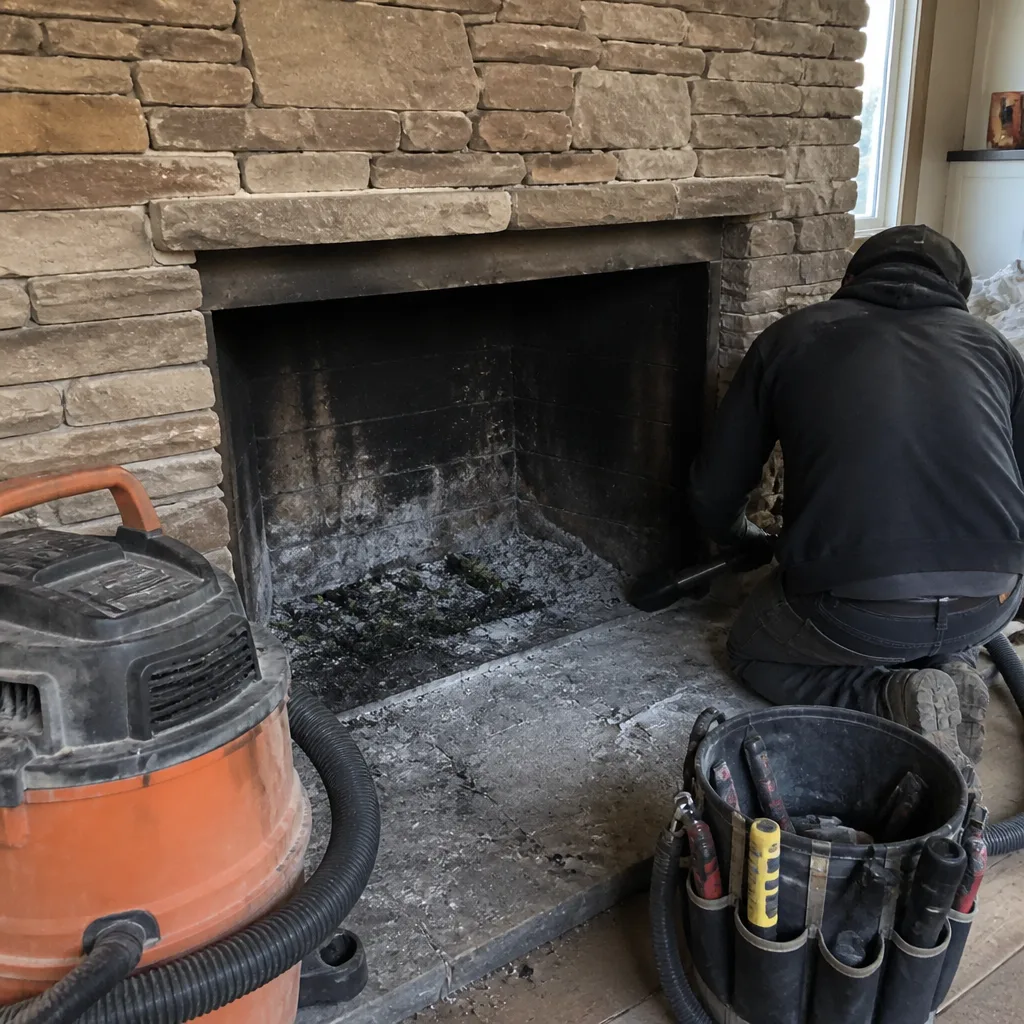 Before
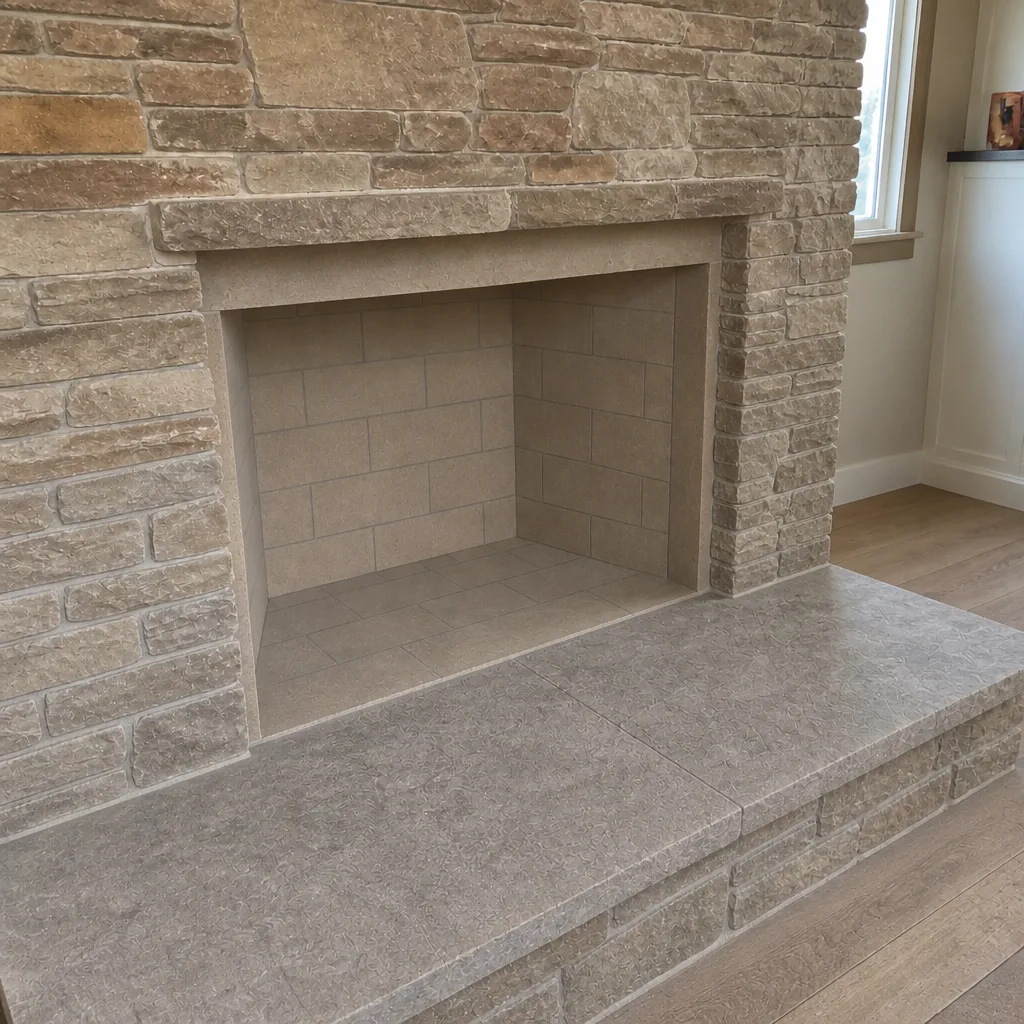 After
When to Call a Professional
Call a professional chimney sweep if any of these describe your situation: you’re in a Virginia-Highland home you haven’t had inspected since moving in; you see or smell smoke in the room when the fireplace is lit; your chimney has visible cracked or missing mortar at the crown; you have no chimney cap or the cap is loose; your last cleaning was more than a year ago and you burn wood regularly; or you’ve had a chimney fire, even a small one. A proper cleaning with a Level 2 inspection covers the diagnostic step – a camera scan and a written report let you see the actual condition of the flue.
Chimney Sweep Virginia-Highland offers free estimates in Virginia-Highland – call (877) 492-4448. We answer 24/7. Fast dispatch from 7am to 7pm, Sunday through Friday.
Frequently Asked Questions
A basic chimney sweep in the Virginia-Highland area typically runs $150-$350, while a cleaning bundled with a full Level 2 inspection commonly costs $250-$500. Pre-1960s masonry chimneys with heavy second- or third-degree creosote may fall at the higher end because removal takes longer. The written estimate sets the final price, so ask for it before work starts. Call (877) 492-4448 for an exact quote – estimates are free.
Once per year for any chimney in active use, plus whenever creosote reaches 1/8 inch of buildup on the flue wall. In Virginia-Highland’s older homes, the annual visit should include a camera scan, not just a brush sweep, because hidden flue tile damage is common in pre-1960 masonry. Gas fireplaces don’t need creosote removal but do need annual vent inspection. Call (877) 492-4448 to schedule yours.
Only if the inspection shows actual liner damage that can’t be restored. In many Virginia-Highland chimneys, a cracked flue tile can be repaired with HeatShield liner resurfacing – a restoration of the existing flue rather than a full replacement. A full reline with a DuraFlex or Olympia Chimney system is warranted when the liner is too damaged or undersized for the appliance. The camera scan should show you exactly why a liner is recommended. Call (877) 492-4448 for a free estimate.
Creosote keeps accumulating on the flue wall, and second- and third-degree creosote is the fuel for chimney fires. On the other side, animal nests, leaf debris, and masonry spalling can block or narrow the flue, increasing carbon monoxide risk – a real hazard for any fuel-burning appliance. Skip the annual cleaning and you’re relying on assumption rather than evidence. Call (877) 492-4448 for a cleaning and inspection – estimates are free.
Yes, for any pre-1960 Virginia-Highland home, a Level 2 inspection is the baseline. It includes a video camera scan of the flue, checks the attic and crawl space where the chimney passes through, and documents liner condition in writing. A Level 1 inspection (visual only) can miss hidden flue tile cracks and shifted joints that are exactly the failure points in older masonry. Call (877) 492-4448 to book an inspection.
Yes. Our inspection is a standalone service, not just a sales pitch attached to a cleaning. You can book an honest condition report without committing to any additional work. That’s useful if you’re buying a Virginia-Highland home, if your last cleaning was recent but you have concerns, or if you just want a baseline. Call (877) 492-4448 to schedule.
The Bottom Line
Chimney cleaning in Virginia-Highland is not a one-size service. The neighborhood’s pre-1960s masonry chimneys – with soft brick, lime mortar, and oversized flues – need a Level 2 inspection as the baseline, a cleaning method matched to the masonry, and a written post-sweep report with photos and liner notes. Cosmetic sweeps have their place, but they can’t substitute for a full-system evaluation on an older chimney. What the correct service looks like: camera evidence you can see, recommendations separated into “now” and “can wait,” and materials specified by name – HeatShield, DuraFlex, Olympia Chimney, Gelco, Famco, Copperfield – because the product matters as much as the labor. One call covers it: sweep, inspect, repair, reline, or cap – no subcontracting, no runaround.
If you’re ready to book a chimney cleaning or inspection in Virginia-Highland, call (877) 492-4448 for a free estimate. We answer 24/7. Fast dispatch from 7am to 7pm, Sunday through Friday. Our technicians have up to 9 years of experience, and every job is quoted in writing before any work begins.
Written by the team at Chimney Sweep Virginia-Highland.