
Last updated November 24, 2026
 Sweep & inspection
 Caps & crowns
 Flue relining
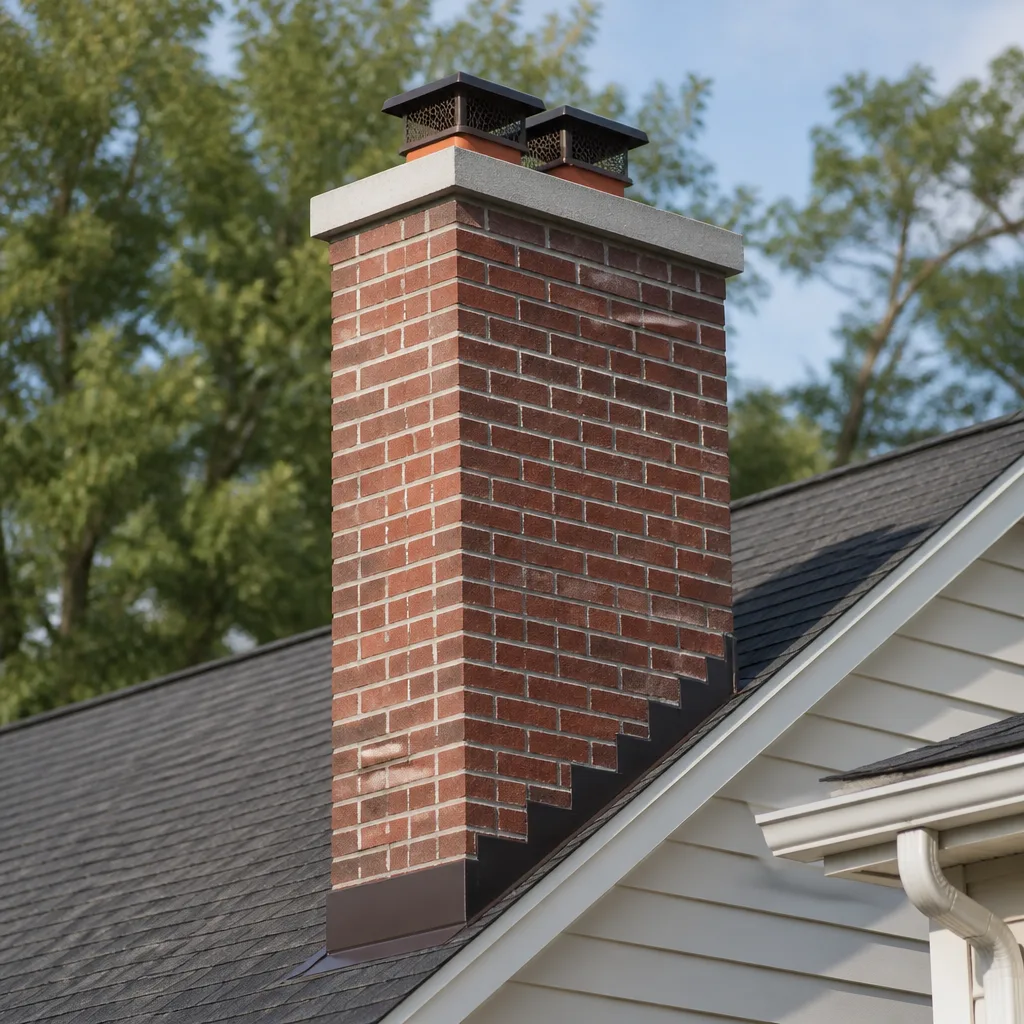 Masonry repair
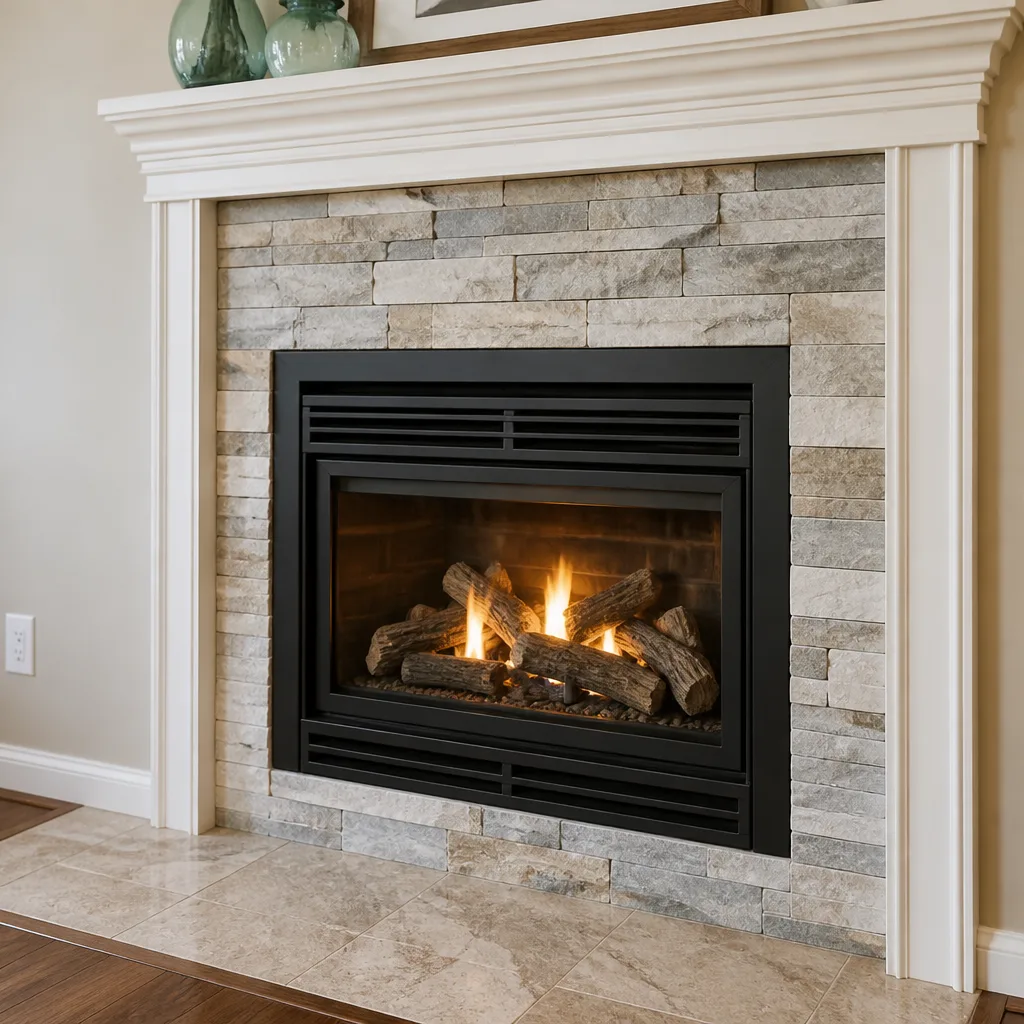 Gas fireplace service
Level 1 sweep and inspection to the NFPA 211 annual standard - flue, crown, cap, and flashing checked and photographed
Chimney sweep logs do not sweep chimneys. They loosen some creosote - which then falls where a brush and vacuum still have to collect it.
Seasonal Chimney Cleaning Care for Virginia-Highland: Year-Round Homeowner’s Guide
Most chimney advice you’ll find online was written for places with long, hard winters and fireplaces that burn wood five months a year. Virginia-Highland isn’t that place. Our burn season is short, the air stays humid most of the year, and the real threat to a chimney here isn’t a thick coat of creosote. It’s water. Atlanta’s freeze-thaw cycle is quiet but persistent, dipping below 32°F often enough through winter to push moisture into mortar joints and crack crowns while homeowners blame almost anything but the cold. This guide lays out a month-by-month care rhythm built for Virginia-Highland’s actual climate: when to sweep, what to inspect in spring, how to protect masonry through the humid summer, and when one annual cleaning is genuinely enough.
Quick Answer
In Virginia-Highland, a chimney should be swept in late summer (August or September) before the first fires of October, then inspected in spring once the burn season closes. Because Atlanta’s heating season usually runs November through March, most homes need one annual sweep, not two. Year-round care centers on moisture control: cap integrity, crown sealing, waterproofing, and clearing mesh screens.
Styles & brands we work with
- Sweep & inspection
- Caps & crowns
- Flue relining
- Masonry repair
- Gas fireplace service
Table of Contents
- Why Virginia-Highland’s Climate Changes the Maintenance Calendar
- The Late-Summer Sweep Window: August and September
- Spring Post-Season Inspection: What Georgia’s Wet Winters Leave Behind
- Summer Protection: Waterproofing and Cap Screen Care
- Georgia’s Moderate Burn Season and Creosote Staging
- The Year-Round Case for a Cap with 5/8-Inch Mesh
- Annual vs. Biannual Sweeping: How to Decide
- Common Mistakes to Avoid
- When to Call a Professional
Why Virginia-Highland’s Climate Changes the Maintenance Calendar
Chimney care advice written for Chicago or Boston assumes the chimney’s main enemy is fire. Here, the main enemy is damp. Virginia-Highland sits in a climate where temperatures drop below freezing on roughly 40 nights a year, and that number matters more than it sounds. Each freeze-thaw cycle works water into the small pores of mortar and brick, then expands it as ice. A joint that looks fine in July can open a hairline crack by February. Repeat that over several winters and you get spalling brick, crumbling mortar, and a crown that no longer sheds water the way it should.
Meanwhile, the burn season is short. Most Virginia-Highland households light the first fire somewhere around late October or early November and stop by March. That’s four to five months of real wood burning, less than half what a northern chimney handles. The result is a different damage pattern than most homeowner guides describe: less creosote accumulation, more masonry and water intrusion.
Two local details sharpen this. First, Virginia-Highland’s tree canopy is thick. Oak and pine litter fills gutters and lands on chimney crowns, holding moisture against masonry that would otherwise dry. Second, many homes here were built in the 1920s and 1930s, when chimneys were constructed with brick and clay tile rather than today’s liner systems. Older masonry is more porous and more vulnerable to the slow work of water.
That’s the whole thesis of this guide in one line: in Virginia-Highland, you sweep on a fire-season schedule but you inspect and protect on a moisture schedule. The two aren’t the same calendar.
The Late-Summer Sweep Window: August and September
Late summer is the best time to book a Chimney Sweep Virginia-Highland appointment, and the reason is practical more than traditional. By August, last season’s soot and creosote have had months to settle and harden, so a sweep removes more of it than a cleaning done in the middle of the burn season. Booking in August or September also means any problem the sweep uncovers (a cracked flue tile, a loose cap, a deteriorated crown) gets diagnosed with enough time to repair it before the first fire in October.
Here’s how a typical pre-season visit runs:
- Exterior check first. We look at the crown, cap, flashing, and the masonry from the roofline before touching the flue, because water damage at the top is the most common issue in Virginia-Highland.
- Flue sweep. Brushes sized to the flue remove soot, creosote, and any debris (nests, leaves, pine straw) that collected over the off-season.
- Firebox and damper. We clear ash, check the damper opens and closes fully, and look for cracks in the firebox brick.
- Camera inspection. A camera run through the flue shows the condition of the liner from the inside, where a flashlight can’t reach.
- Photo report. You see exactly what we saw, with photos, and we tell you plainly what needs attention now and what can safely wait.
That last point matters. A pre-season sweep should end with a clear, written condition report, not a list of urgent repairs. If someone tells you the whole chimney needs rebuilding after a routine cleaning, ask to see the camera footage. We use professional-grade products from DuraFlex, HeatShield, and Olympia Chimney when repairs are actually needed, but the decision to repair should always be yours, based on evidence you can see.
Spring Post-Season Inspection: What Georgia’s Wet Winters Leave Behind
Spring is when Virginia-Highland chimneys show the wear of a wet winter. Georgia winters aren’t brutal, but they’re damp, and a chimney that took on water in January and February will reveal it by April. A post-season inspection focuses on three things, in this order.
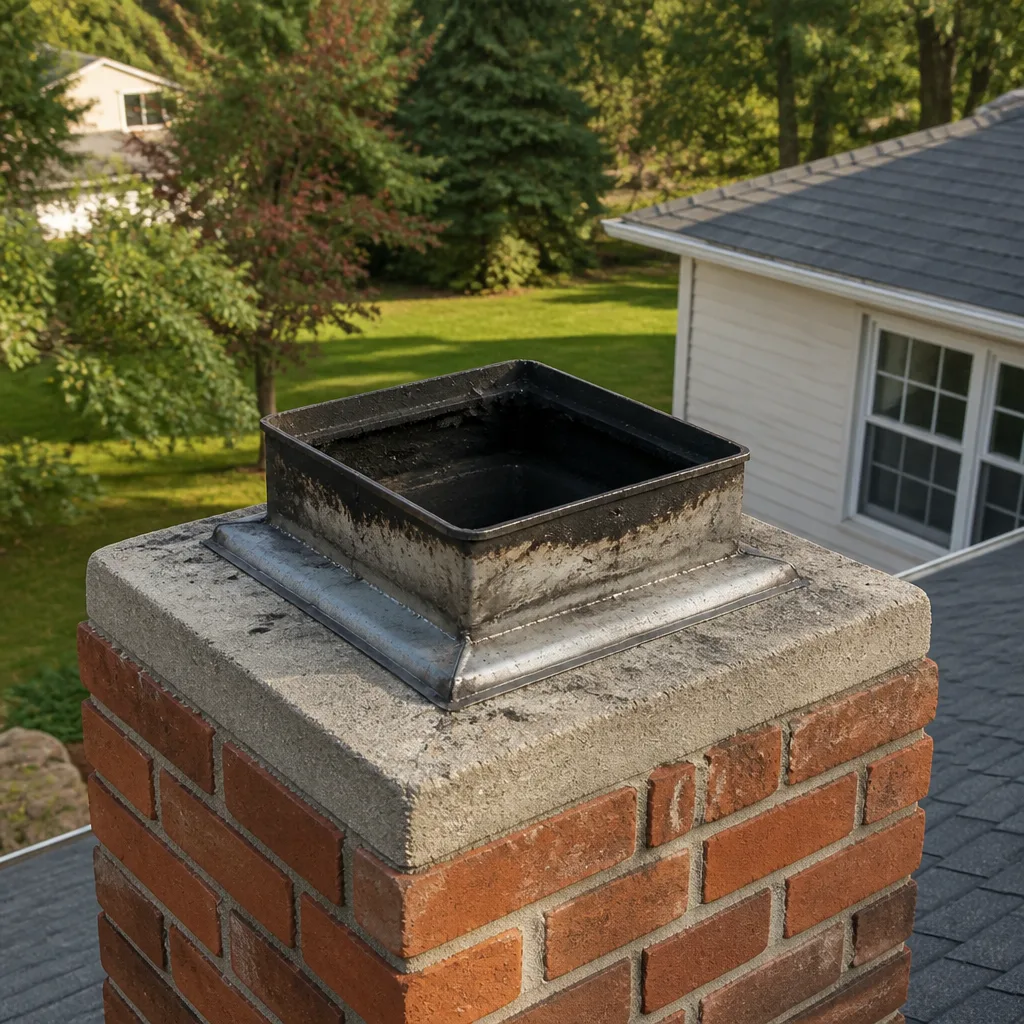
- Cap integrity. Wind, rain, and wildlife take a toll on caps over the winter. A cap that’s loose, rusted, or missing mesh lets water and animals straight into the flue.
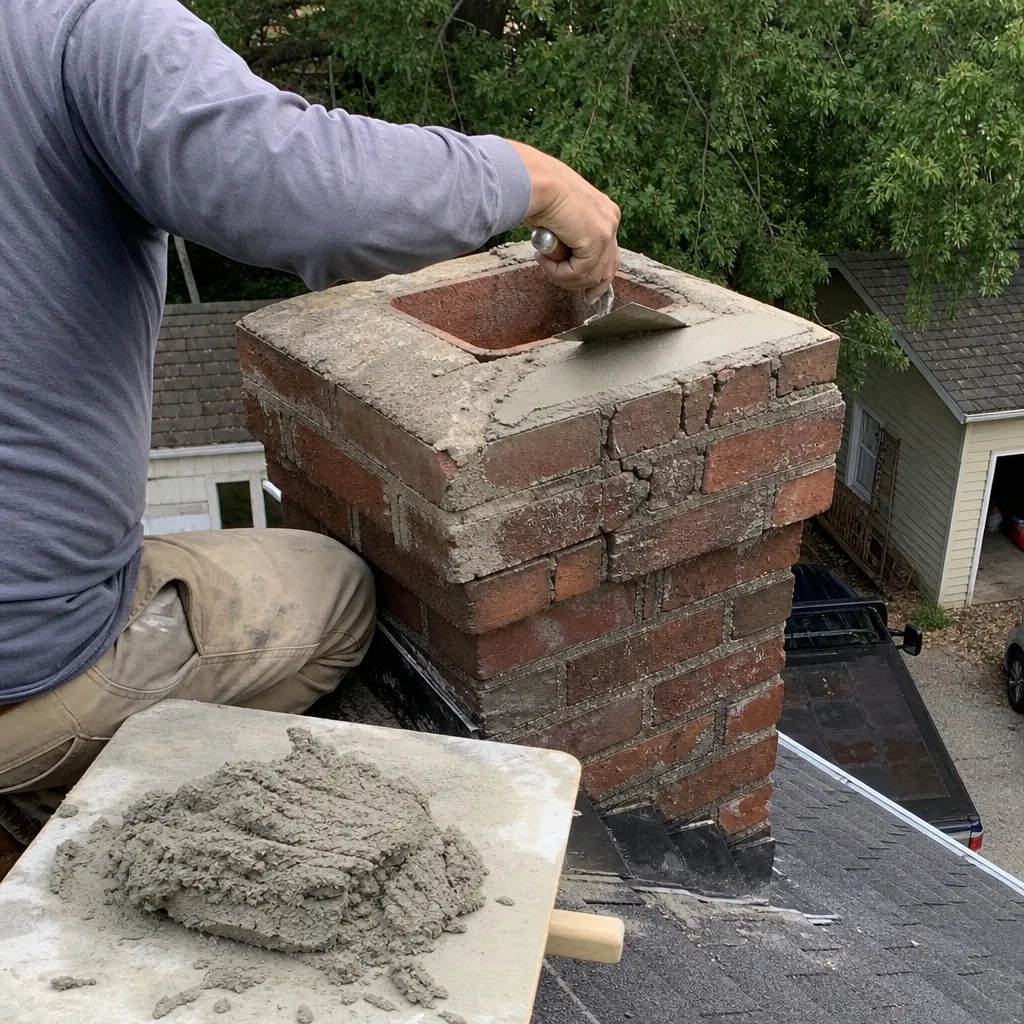
- Crown sealing. The crown is the concrete cap at the very top of the chimney. It’s meant to shed water away from the masonry below. Small cracks widen over winter, and a failing crown is the single most common entry point for water in Virginia-Highland chimneys.
- Efflorescence. That white, chalky staining on brick or mortar is a signal, not just a cosmetic flaw. It means water has been moving through the masonry and depositing salts on the surface. Efflorescence often points to a water intrusion problem that hasn’t yet caused visible structural damage, which is exactly the right time to fix it.
A spring chimney sweep and inspection together catch these issues while the weather is dry and repairs can cure properly. Spring is also a comfortable time to schedule work, since the chimney isn’t in active use and there’s no rush before a fire. If your spring inspection finds efflorescence or a hairline crown crack, you have months to address it before the next burn season, and we’ll tell you honestly whether the fix can wait.
Summer Protection: Waterproofing and Cap Screen Care
Summer in Virginia-Highland is peak humidity season, and that’s when unprotected masonry absorbs the most moisture. A chimney that dries out slowly through humid months is a chimney that cracks in winter. Summer is the right window for the two tasks that do the most to protect masonry.
- Chimney waterproofing. A breathable water repellent applied to the exterior masonry keeps rain out while allowing moisture inside to escape. This is different from a sealant that traps water in, which is why the product matters as much as the labor. Done in dry summer weather, waterproofing gets the full season to cure and is ready before the first fall rains.
- Cap screen clearing. Mesh screens on the cap catch leaves, pine straw, and the occasional nest. A clogged screen restricts draft and can push smoke back into the house on the first cool night of the year. Clearing it in summer prevents that surprise.
While you’re up there, look at the flashing where the chimney meets the roof. In Virginia-Highland’s older homes, flashing is often the weak point, and a small gap that lets water run down the chimney’s side can cause damage that looks like a crown problem but isn’t.
Summer is also the time to plan cap or crown replacements. We work with multiple cap and crown product lines, including Gelco, Famco, and Copperfield, so the solution fits your chimney’s flue configuration rather than the other way around. If your current cap is a generic fit or has rusted through, a summer replacement means it’s in place before fall. To learn more about your options, see our chimney cap & crown page.
Georgia’s Moderate Burn Season and Creosote Staging
Virginia-Highland’s burn season typically runs November through March. That’s short enough that most homes build creosote slowly, but slow doesn’t mean none. Creosote forms in stages: a light, flaky soot first, then a crusty layer, and finally a hard, glazed deposit that’s difficult to remove and highly flammable. The stage that matters depends on how you burn, not just how often.
Homes that burn seasoned hardwoods in a well-drafted fireplace with hot fires tend to accumulate light, flaky creosote, which a single annual sweep handles easily. Homes that burn unseasoned wood, burn with the damper partly closed, or use the fireplace as occasional ambiance for short, cool fires can build creosote faster, because cool fires produce more incomplete combustion and more deposits. Those homes sometimes benefit from a mid-season check.
Our rule of thumb in Virginia-Highland:
- Annual sweep is enough for most homes that burn a cord or less per season with seasoned wood and good draft.
- Consider a mid-season check if you burn more than a cord, notice smoke rolling back into the room, or smell a strong creosote odor.
- Sweep before every season regardless if you’ve never had the chimney inspected, since you don’t yet know the condition of the flue.
We’ve seen moderate burn seasons produce enough buildup to matter. The safe approach is to inspect and let the evidence decide, rather than assume a short season means a clean flue.
The Year-Round Case for a Cap with 5/8-Inch Mesh
In most of the country a chimney cap is sold as rain protection. In Virginia-Highland it earns its keep against wildlife, too. The tree cover and mild climate here make chimneys a natural target for birds, squirrels, and raccoons looking for a dry, protected cavity. A chimney without a proper cap is an open door.
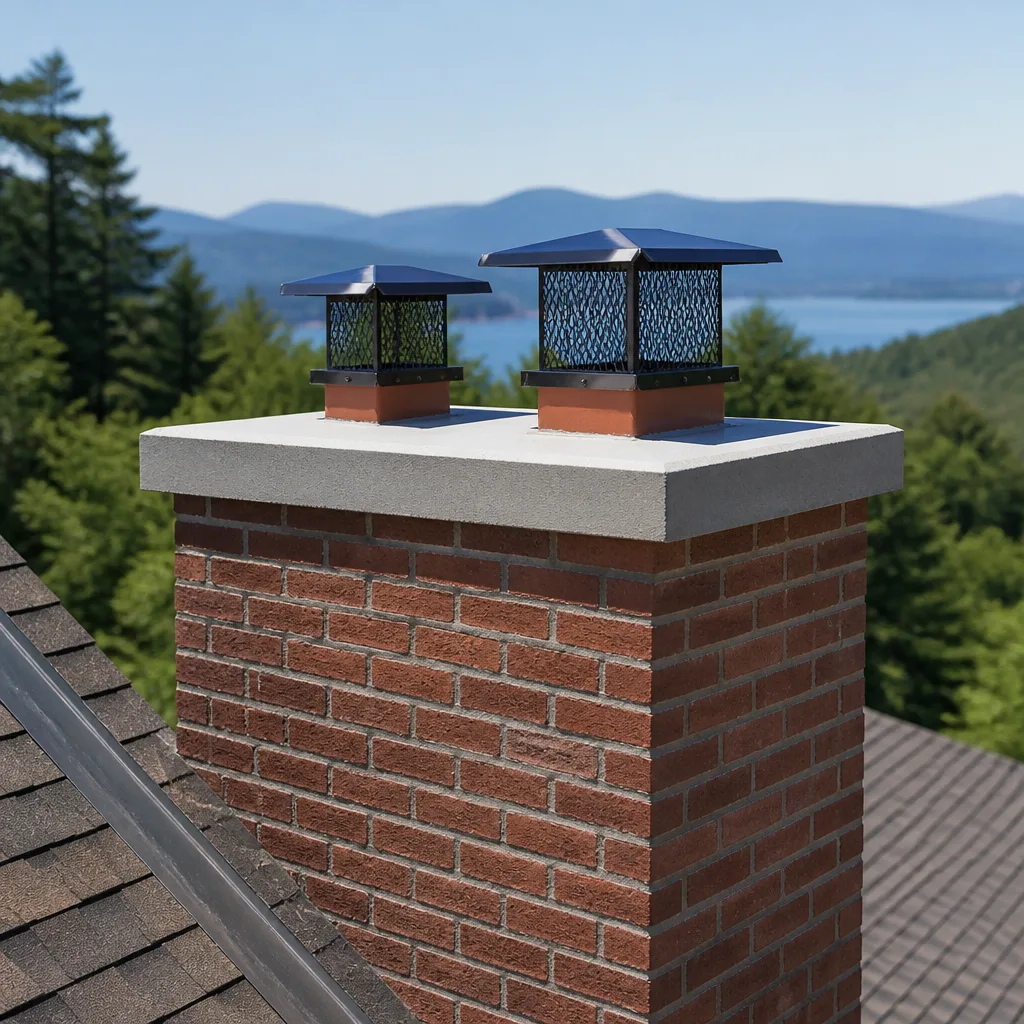
A cap with a 5/8-inch mesh screen is the standard for this reason. The mesh is tight enough to keep out most animals and large debris while still allowing flue gases to vent properly. A cap with too wide a mesh lets birds and squirrels through; one with too fine a mesh clogs with soot and restricts draft. A professional-grade cap built around the right mesh size lasts for years, which is why we use caps from Gelco, Famco, and Copperfield rather than a generic cover.
The case is year-round because the risk is year-round. Nests built in spring become blockages by fall. A cap isn’t a seasonal upgrade; it’s the first line of defense for the flue opening, every month of the year.
Annual vs. Biannual Sweeping: How to Decide
Most Virginia-Highland homes need one sweep a year. That’s less than the general rule of thumb you’ll often read, and the reason is simple: our burn season is shorter and our wood-burning habits are lighter than they are in colder regions. But a handful of situations call for a second cleaning. Use this quick framework.
- Count your cords. Under one cord per season with seasoned wood usually means annual is enough.
- Check how you burn. Frequent small, cool fires and unseasoned wood build creosote faster, so these homes move toward biannual.
- Watch for draft problems. Smoke rolling into the room, a weak draft, or a persistent creosote smell are signals to get the flue looked at sooner rather than later.
- Inspect first if you’ve never had it done. Until you know the condition of your flue, you can’t judge your own schedule.
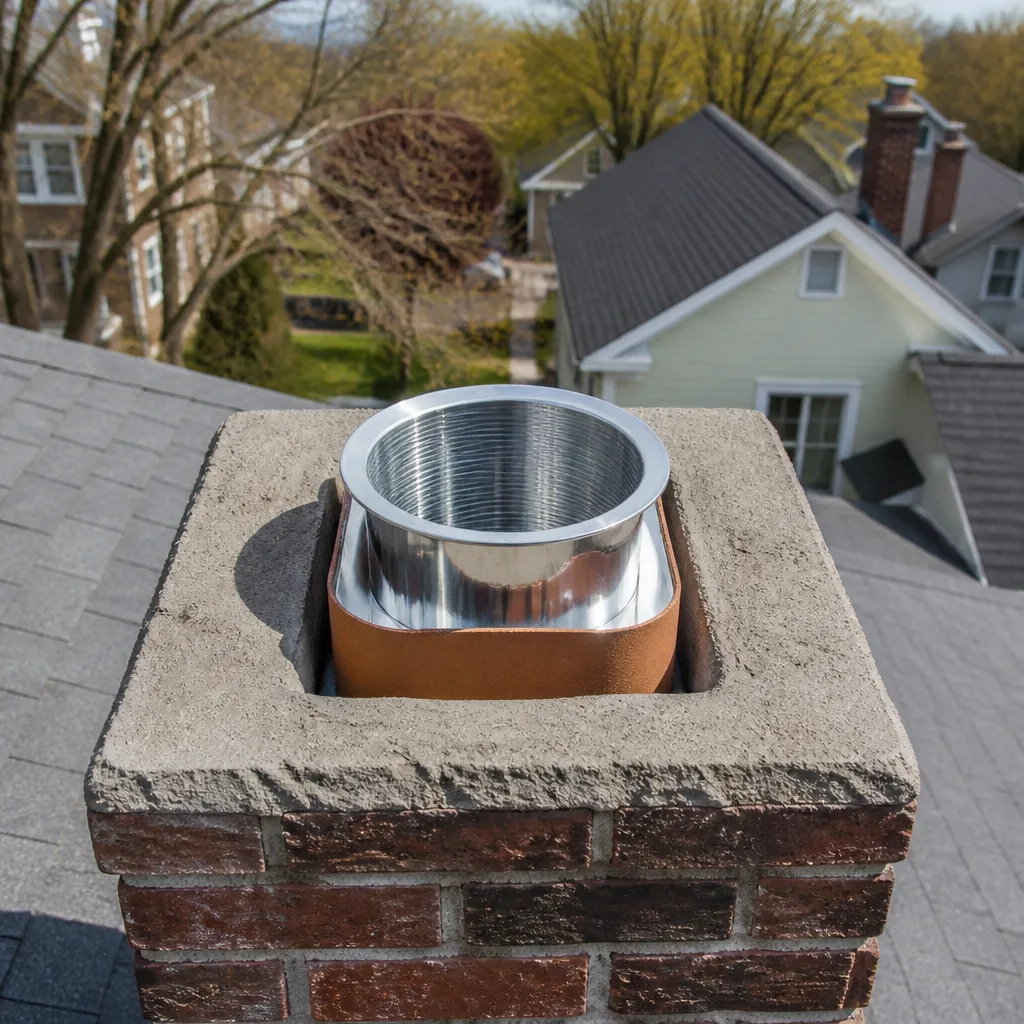
The same logic applies to a structural concern. If a spring inspection finds damaged flue tile, we can assess whether HeatShield liner resurfacing is the right fix, since it requires specialized application training and isn’t something a general contractor carries. For larger relining jobs that call for full replacement, DuraFlex and Olympia Chimney systems are what we specify. For more on fireplace-level damage, our fireplace repair page covers what to expect.
Common Mistakes to Avoid
- Assuming a mild winter means the chimney is fine. Virginia-Highland’s freeze-thaw cycles do their damage quietly, and a warm winter still cracks crowns and opens mortar joints.
- Skipping the spring inspection. Post-season is the only time you can see winter’s damage before it’s hidden by the next burning season, and efflorescence is easiest to read on dry spring days.
- Booking the sweep in October. By then last season’s creosote has settled and hardened, and any repair discovered needs doing before you want a fire.
- Waterproofing with a non-breathable sealant. In Virginia-Highland’s humid summers, a sealant that traps moisture inside masonry causes worse damage than no coating at all.
- Buying a cap “just to keep rain out.” A cap without a properly sized mesh, in an area with this much wildlife, invites nests and blockages. Mesh size matters.
- Treating efflorescence as cosmetic. White staining on brick is a signal that water is moving through the masonry. Ignoring it lets the problem grow.
- Approving repairs without seeing the evidence. Any reputable inspector should show you camera footage and photos before recommending work. We do, and you should expect it.
When to Call a Professional
Call a professional when you buy a home in Virginia-Highland and don’t know the chimney’s history, when you’ve never had a flue inspected, or when you notice efflorescence, a cracked crown, or smoke rolling back into the room. Call before the first fire if your last sweep was more than a season ago. And call if you’re being told your whole chimney needs replacing and you want a second, independent look with a camera inspection. Chimney Sweep Virginia-Highland offers free estimates in Virginia-Highland. Call (877) 492-4448. We answer 24/7. Fast dispatch from 7am to 7pm, Sunday through Friday. Our technicians have up to 9 years of experience, and every inspection includes a photo report you can review before deciding on any work.
See the difference
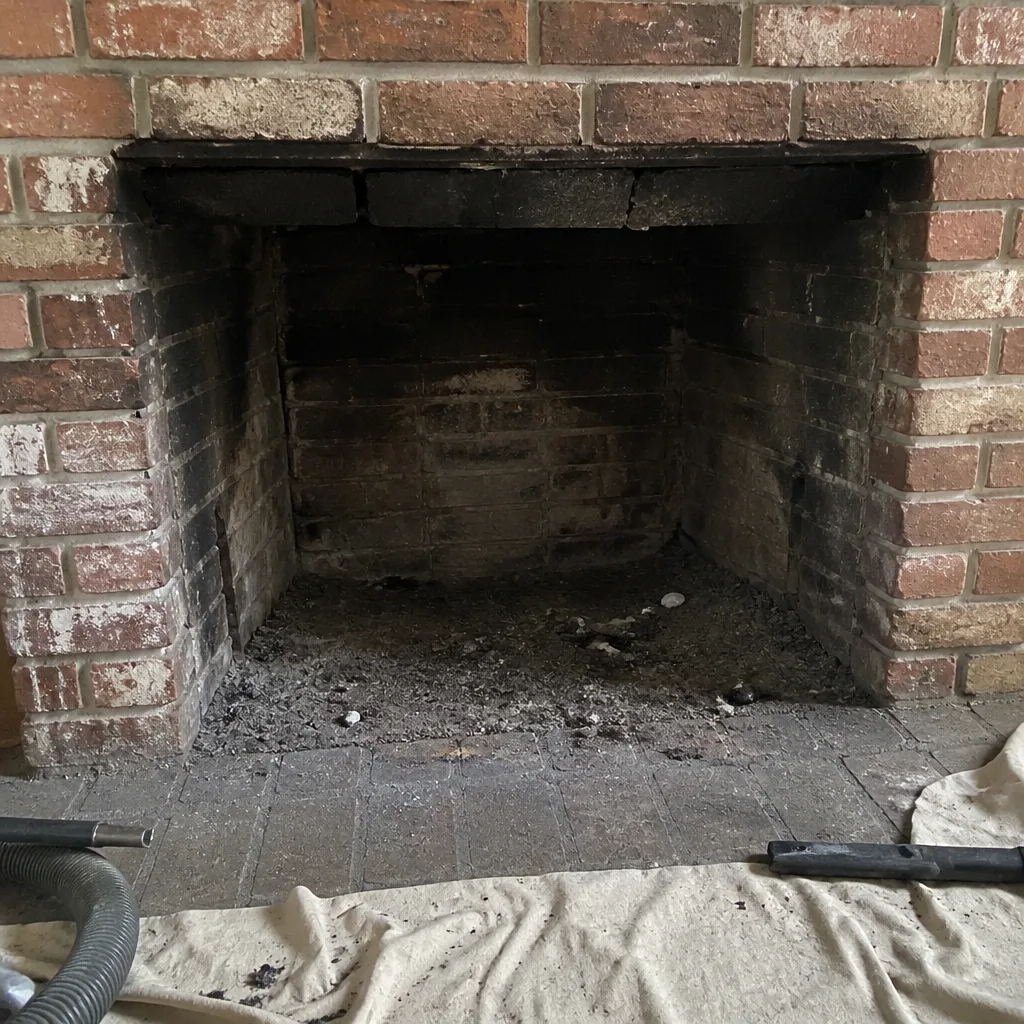 Before
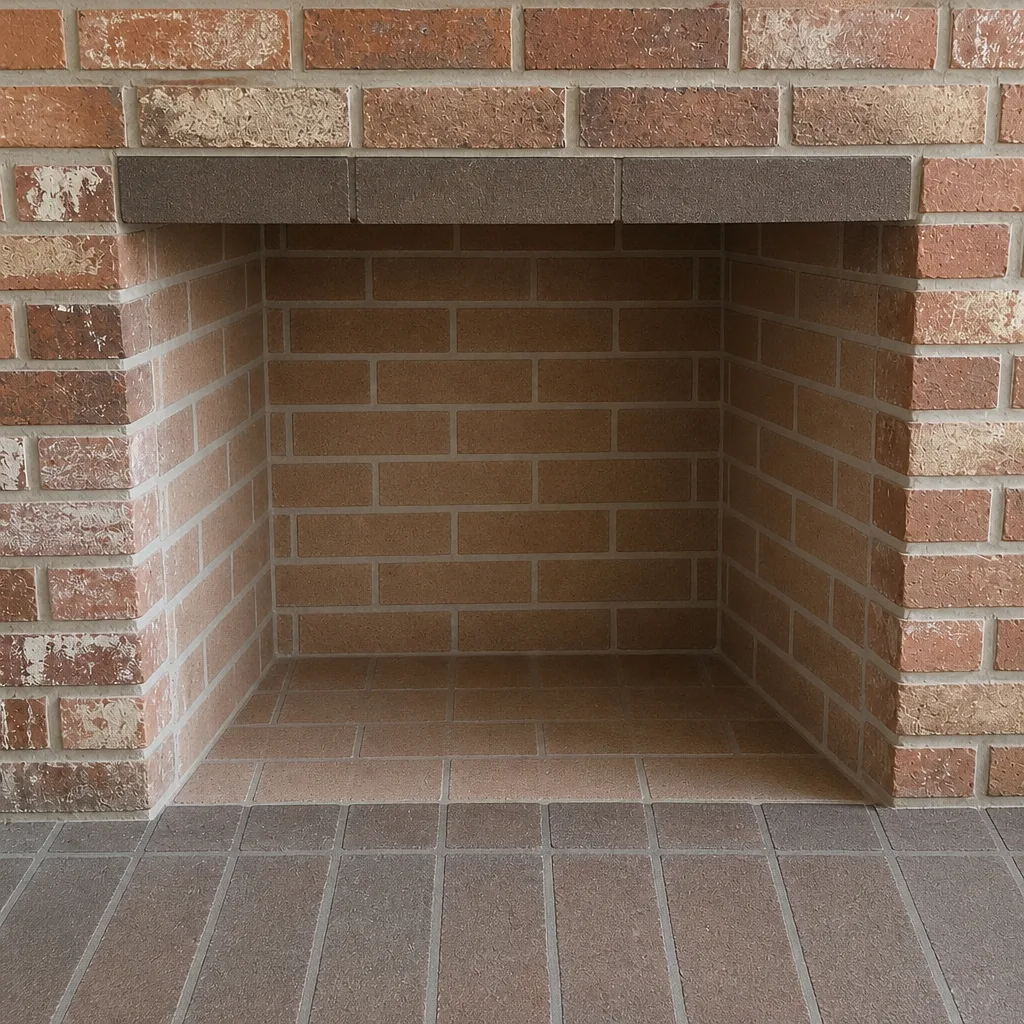 After
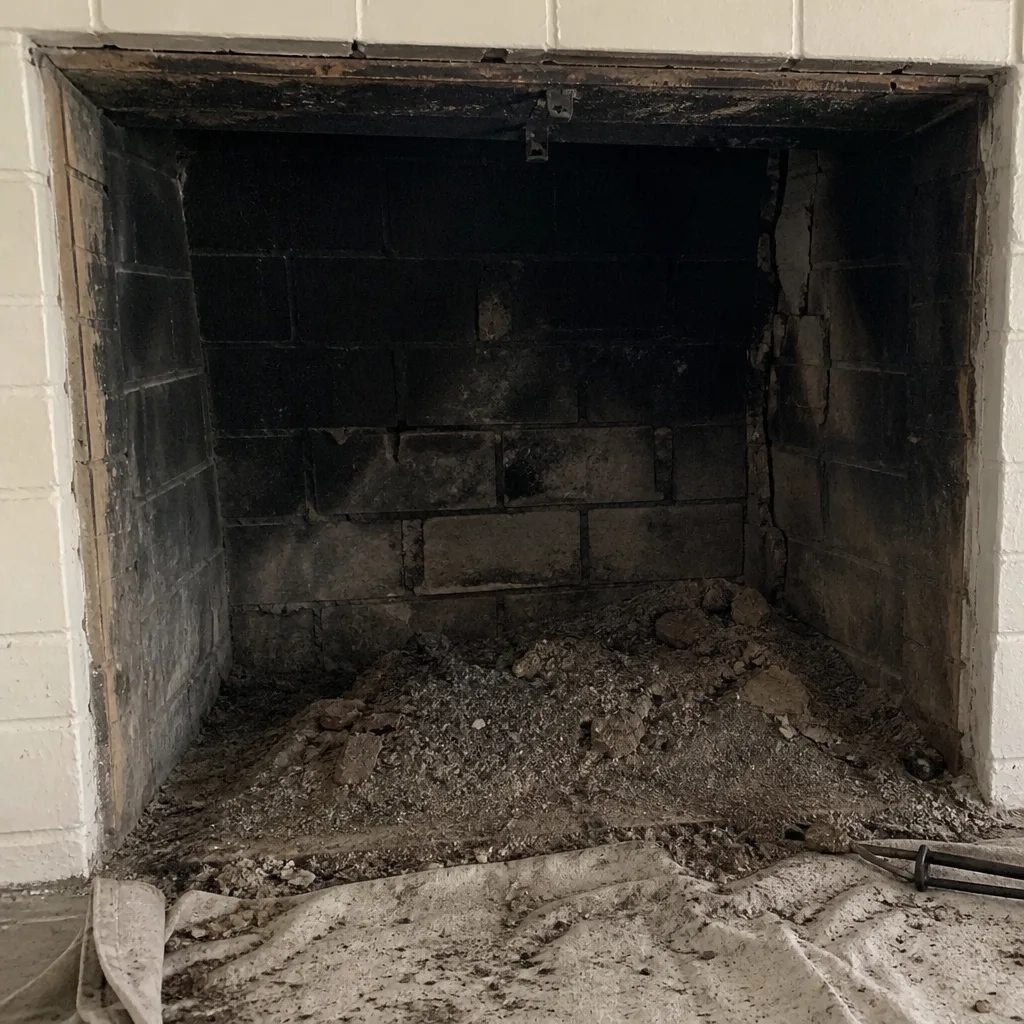 Before
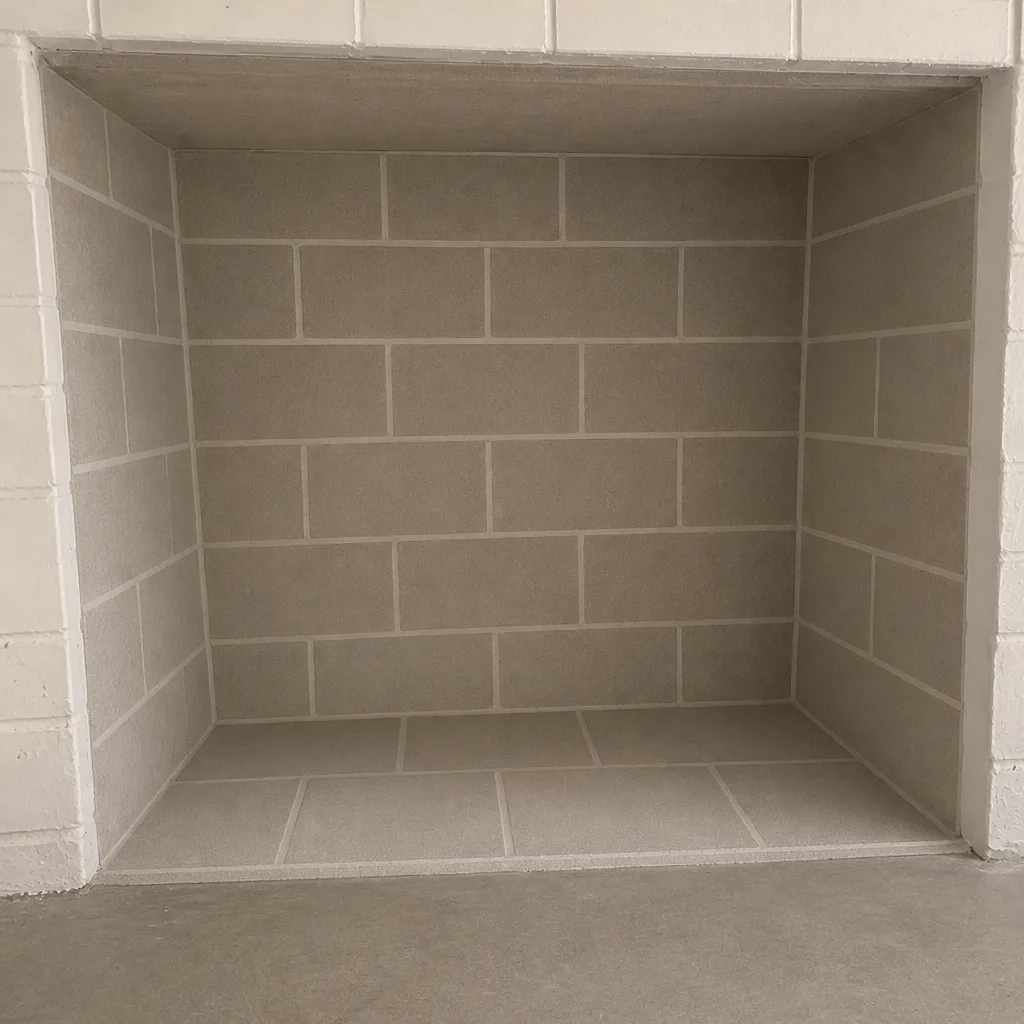 After
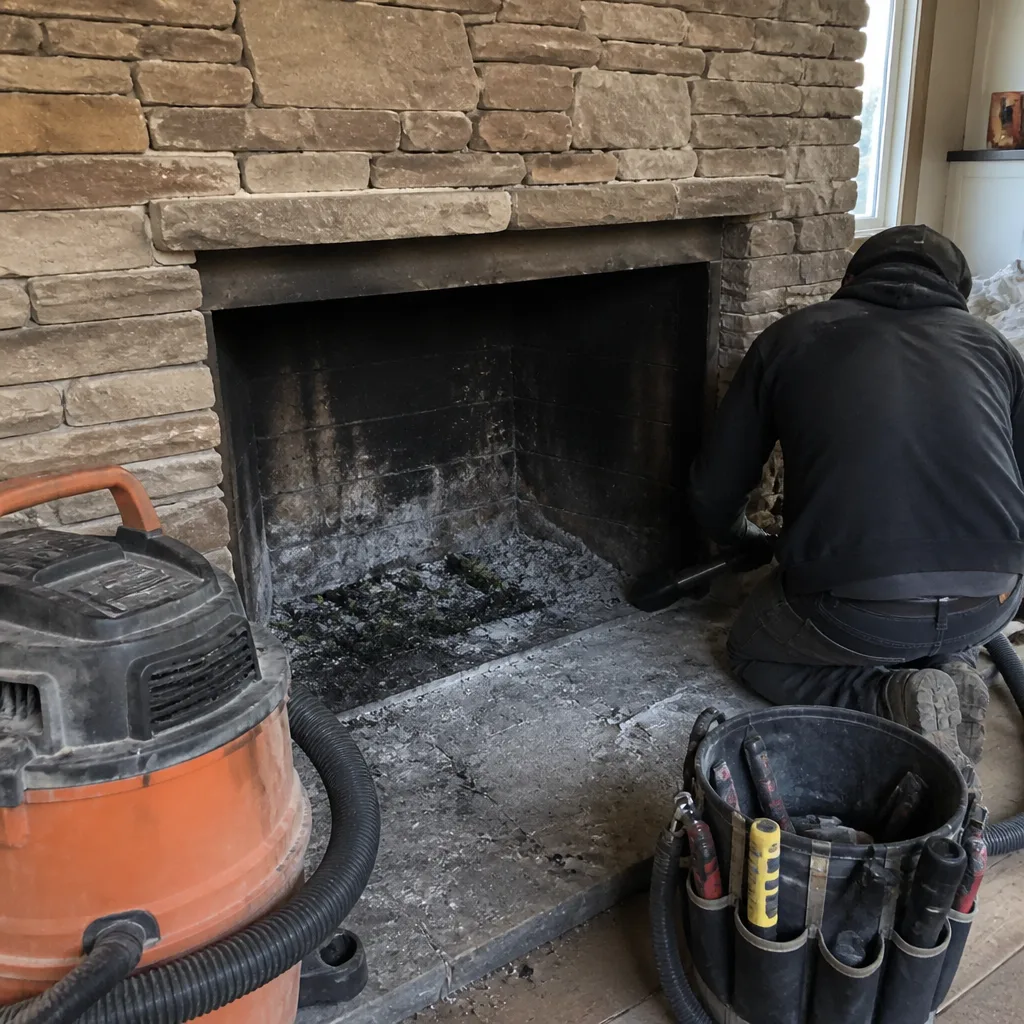 Before
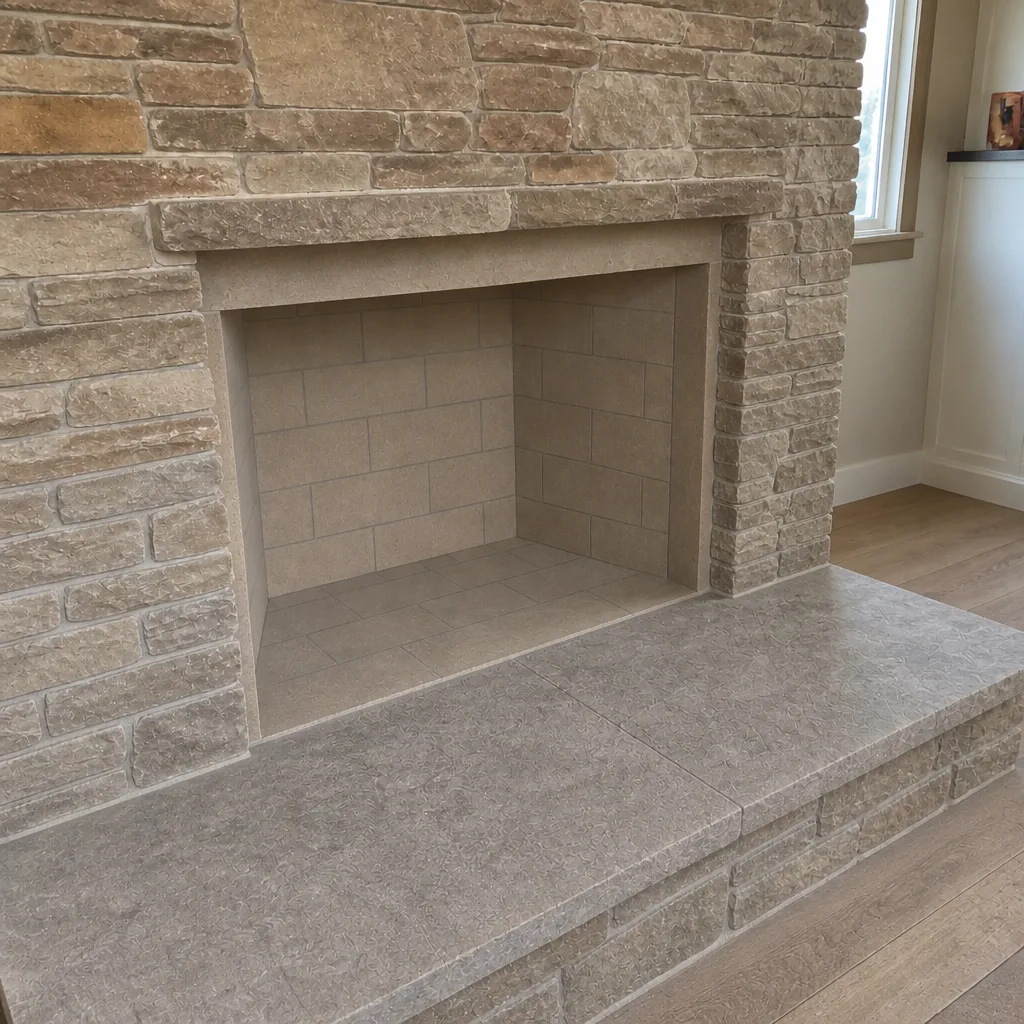 After
Frequently Asked Questions
Once a year is enough for most Virginia-Highland homes, because our burn season typically runs only November through March. Homes that burn more than a cord per season, use unseasoned wood, or notice draft problems may need a second cleaning mid-season. When in doubt, have the flue inspected and let the condition decide. Call (877) 492-4448 for an exact quote – estimates are free.
Late August or September is the best window, before the first fires of October. By then previous-season creosote has settled, so the sweep clears more of it, and any problem found can be repaired before the burn season starts. Spring is the right time for the post-season inspection. Call (877) 492-4448 to book around your schedule.
Yes, when you don’t yet know the condition of your flue. A sweep cleans; an inspection tells you whether the liner, crown, and cap are sound. We perform inspections as a standalone diagnostic service, separate from the cleaning, so you get an honest condition report without any pressure to buy additional work. Call (877) 492-4448 for a free estimate.
White, chalky staining on brick or mortar is efflorescence, and it means water is moving through the masonry and depositing salts on the surface. It’s common in Virginia-Highland after wet winters. Efflorescence is best addressed in spring or summer, when waterproofing and repair work can cure in dry weather. Call (877) 492-4448 and we’ll take a look.
A 5/8-inch mesh screen is the standard for Virginia-Highland, because it keeps out most birds, squirrels, and large debris while still allowing flue gases to vent properly. A mesh that’s too wide lets animals through; too fine a mesh clogs with soot and restricts draft. We carry caps from Gelco, Famco, and Copperfield so the mesh and fit match your flue. Call (877) 492-4448 for a free estimate.
HeatShield is the professional standard for chimney liner resurfacing, and it’s the right fix when flue tile is damaged but the chimney structure is sound. It restores the liner rather than patching it, and it requires specialized training to apply correctly, which is why many sweep-only companies don’t carry it. We assess each flue with a camera inspection before recommending it. Call (877) 492-4448 to discuss your chimney.
The Bottom Line
Virginia-Highland’s chimney care rhythm doesn’t match the standard advice, and that’s the point. Sweep in late summer, before the first October fire. Inspect in spring, when winter’s water damage shows itself. Protect masonry in summer with breathable waterproofing and clean cap screens. Keep a properly sized cap on year-round. And let camera evidence, not fear, decide whether a repair is needed now or can wait. Do those things and your chimney stays sound through Atlanta’s quiet freeze-thaw cycles. Chimney Sweep Virginia-Highland handles the full cycle: sweep, inspect, cap, crown, repair, and reline. Call (877) 492-4448 for a free estimate. We answer 24/7. Fast dispatch from 7am to 7pm, Sunday through Friday.
Written by the team at Chimney Sweep Virginia-Highland.