
Last updated November 24, 2026
 Sweep & inspection
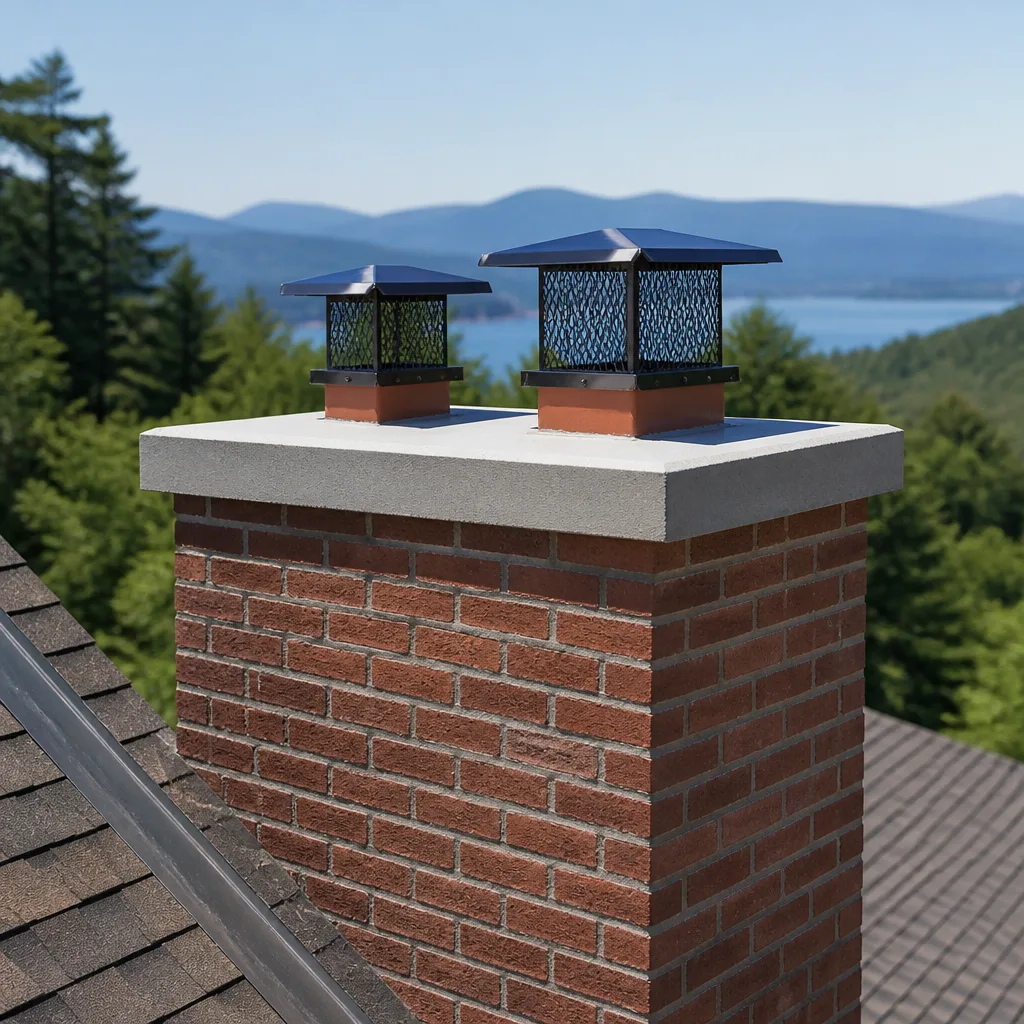 Caps & crowns
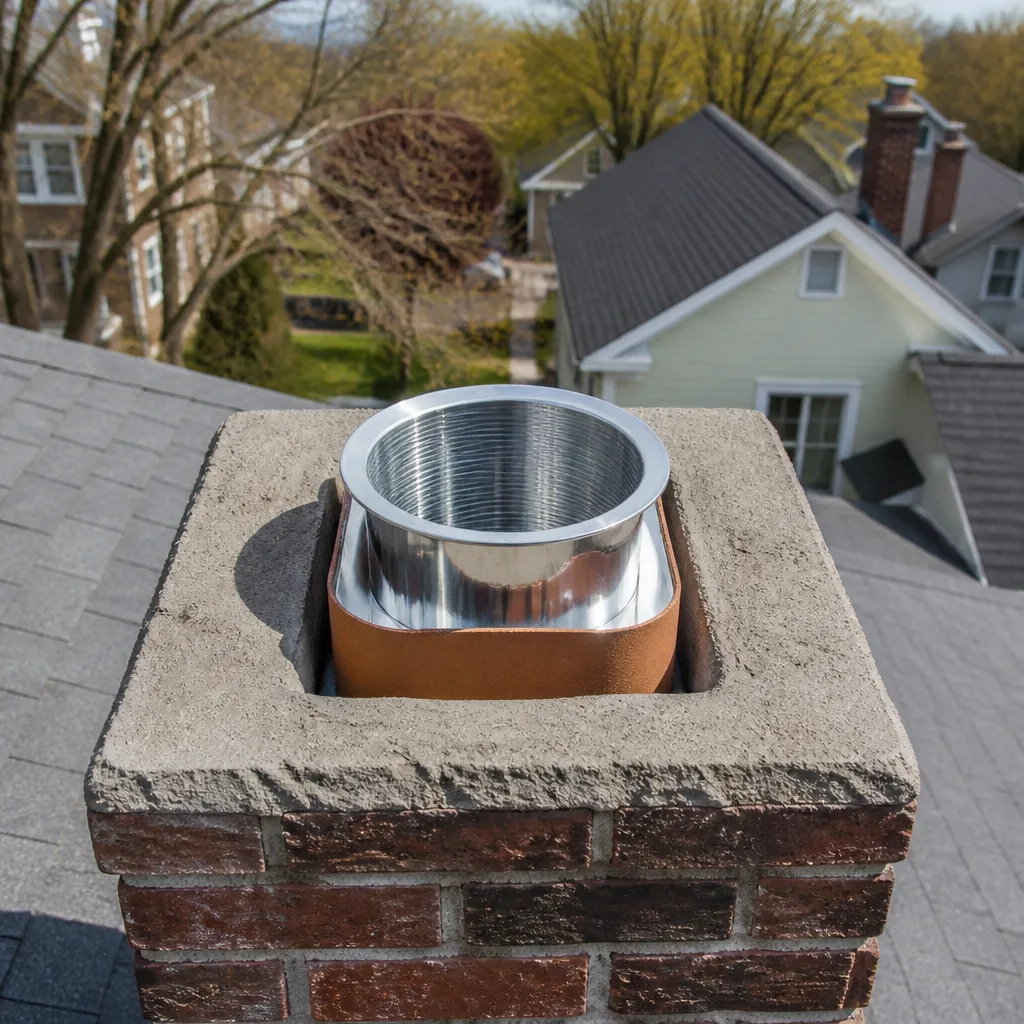 Flue relining
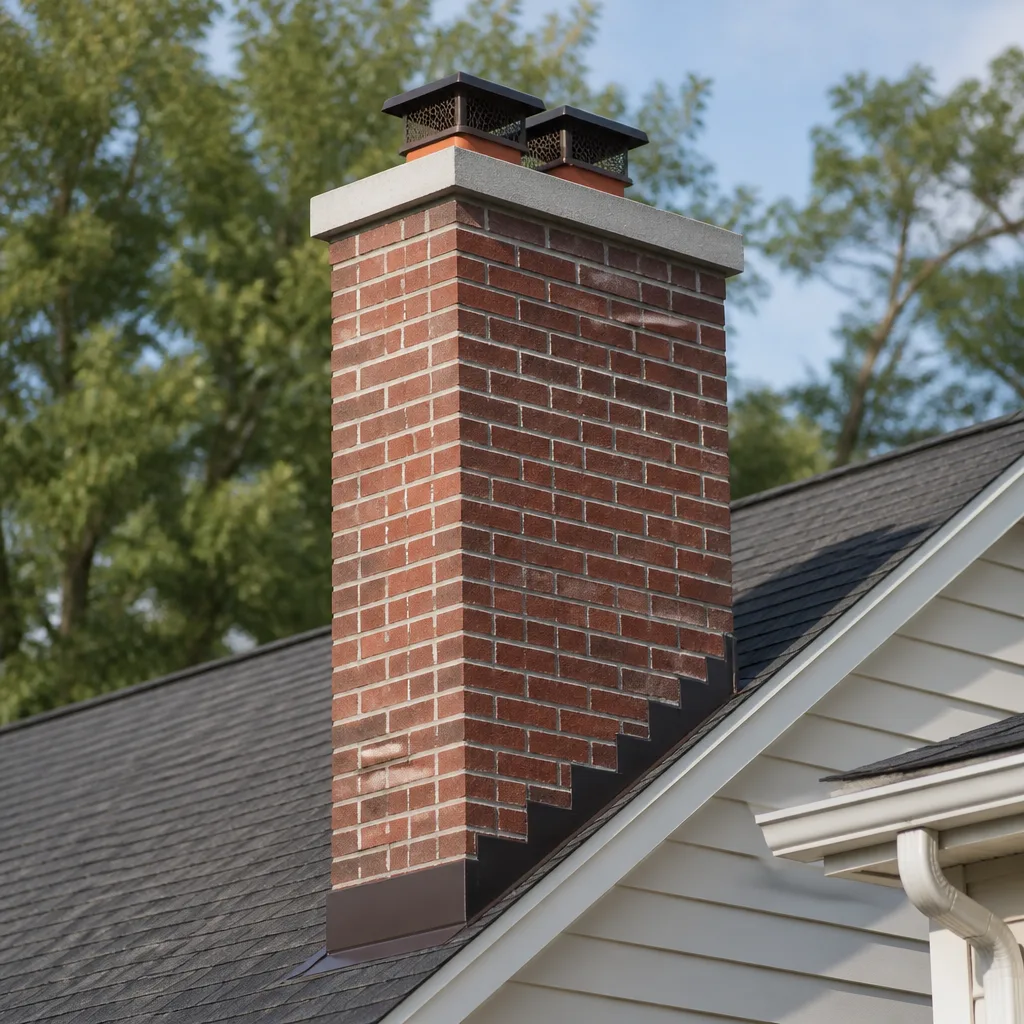 Masonry repair
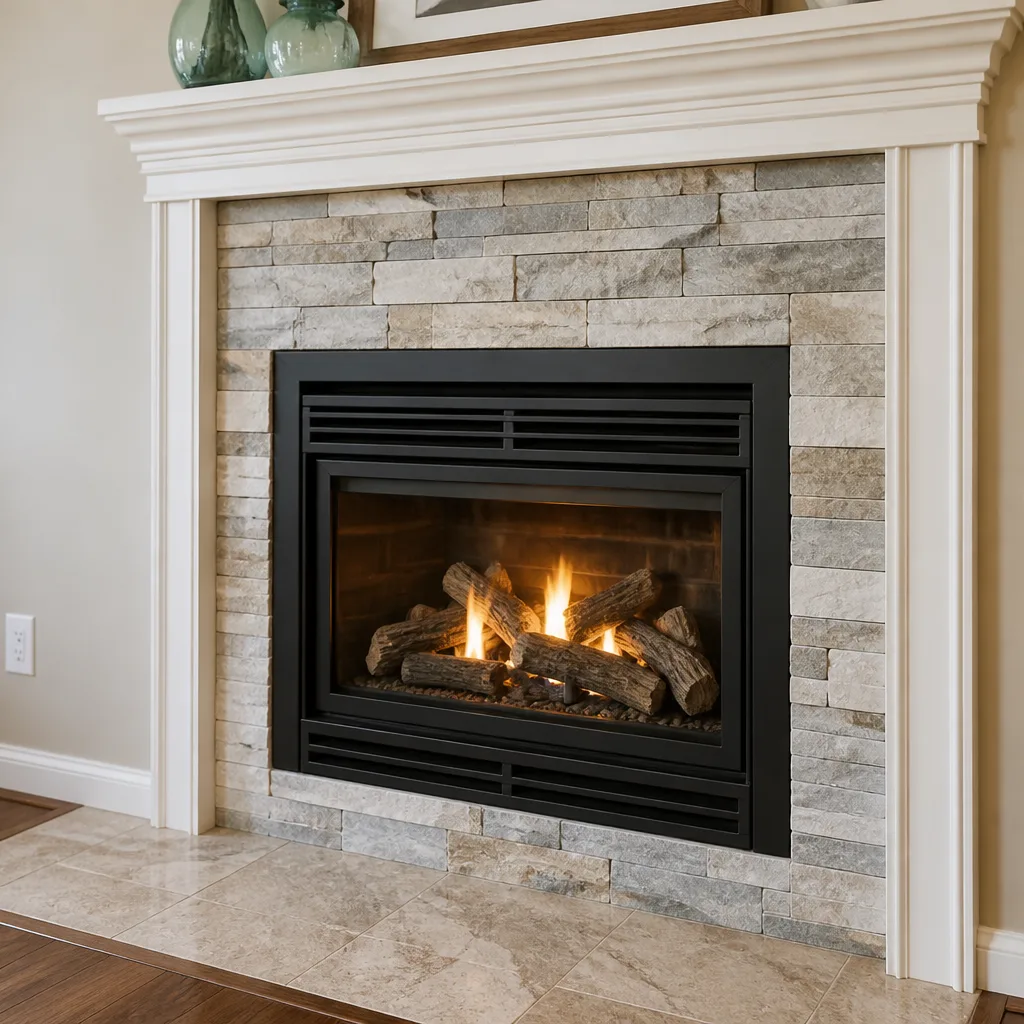 Gas fireplace service
Level 1 sweep and inspection to the NFPA 211 annual standard - flue, crown, cap, and flashing checked and photographed
Chimney sweep logs do not sweep chimneys. They loosen some creosote - which then falls where a brush and vacuum still have to collect it.
DIY vs Professional Chimney Cleaning: The Virginia-Highland Homeowner’s Decision Guide
A chimney brush can remove creosote from a sound flue. What it can’t do is tell you that the clay tile behind the creosote has two longitudinal cracks running through it. In a Virginia-Highland chimney, that distinction matters more than most online guides admit, because so much of the risk sits hidden inside the flue where a brush passes but a trained eye can’t follow. Most of the housing stock here is pre-war, and the liners in those homes have been through eight decades of heating cycles. This guide walks through what you can safely do yourself, what genuinely requires a professional, what the equipment really costs, and how to decide which category your own chimney falls into.
Quick Answer
You can safely remove firebox ash, check your exterior cap and chase from the ground, and eyeball the firebox brickwork. You should not brush a flue, inspect a liner, or assess creosote levels yourself, especially in Virginia-Highland’s older clay-tile chimneys where hidden fractures are the real danger. If it’s been more than a year since a professional inspection, start there before you touch a brush.
Styles & brands we work with
- Sweep & inspection
- Caps & crowns
- Flue relining
- Masonry repair
- Gas fireplace service
Table of Contents
- What a homeowner can safely do
- Why Virginia-Highland’s clay tile liners hide fractures
- The real equipment cost of a DIY sweep
- Insurance and liability after a DIY sweep
- The decision framework: when to call
- What a professional sweep actually includes
- Common mistakes to avoid
- When to call a professional
What a homeowner can safely do
Start with the tasks that carry no real downside. These are the jobs you don’t need a pro for, and doing them well actually makes a professional sweep more effective when you do book one.
- Firebox ash removal. Once the firebox is cold, scoop ash into a metal container with a lid. Leave a thin layer on the firebox floor; it protects the brick from thermal shock.
- Exterior visual inspection. From the ground with binoculars, look at the cap, the crown, and the mortar joints on the chimney chase. Note cracked mortar, missing cap mesh, or a tilted crown.
- Cap mesh check. A damaged spark screen lets birds and squirrels in. If you can see daylight through the mesh, it’s failing. Cap work is often handled as part of chimney cap & crown service, but the inspection itself is yours to do.
- Firebox brick eyeball. Look for loose bricks, white chalky staining, or gaps in the mortar around the firebox opening. Note what you find and report it.
- Damper operation. Open and close the damper a few times to make sure it moves smoothly and seats fully when closed.
- Annual photo log. Take photos of the firebox, the cap from the ground, and anything that catches your eye. Date them. It’s a record that helps a technician when you call.
None of these tasks touch the flue. That’s the boundary. The flue is where the structural information lives, and it’s where the actual risk starts.
Why Virginia-Highland’s clay tile liners hide fractures
Most homes in Virginia-Highland were built before 1950, and the standard liner of that era was clay tile: stacked rectangular or square tiles mortared together inside the chimney chase. Clay is durable. It is also brittle, and it expands and contracts with every heating cycle. After decades of that, hairline cracks and spalling show up, and they don’t announce themselves.
Here’s the part the DIY guides miss. A chimney brush, run up and down a flue, is abrasive. On a sound liner, it does what it’s supposed to: it scuffs creosote off the tile face. On a liner that’s already compromised, the brush can catch the edge of a spalled tile, widen a hairline crack, or knock a loose tile fragment free. That fragment falls into the firebox or lodge in the flue where it can block part of the passage. You may not see any of this from below.
The reason this sits so close to the surface in Virginia-Highland is housing age. A clay liner that was installed in 1935 has been through an enormous number of heating and cooling cycles. In a home of that vintage, you should assume the liner has some wear before anyone climbs on the roof. The question isn’t whether there’s damage. It’s how much, and where.
A proper inspection looks at it with a camera. Our technicians use video inspection to see the actual tile faces, the mortar joints between tiles, and the smoke chamber above the damper. Cracks that no brush can reveal show up clearly on the monitor. That’s the difference between cleaning a flue and understanding one.
For homeowners who want the full picture of what an inspection covers, our chimney sweep service includes camera inspection and a photo report. You see what the technician sees.
The real equipment cost of a DIY sweep
Most homeowners who decide to sweep their own chimney do it once. The reason isn’t lack of grit. It’s that getting it right requires equipment that costs more than the service does, and most of it gets used one time.
A proper DIY setup looks something like this:
- Rods. Fiberglass chimney rods, usually 3/4-inch, sized to the flue run. A set long enough to reach the top of an average Virginia-Highland chimney runs in the $150-$300 range.
- Brush. Sized to the flue dimensions. A brush that’s too small doesn’t clean; one that’s too large jams. Expect $40-$80 for a decent poly or wire brush.
- HEPA vacuum. Not a shop vac. Creosote dust is fine and it’s a health hazard. A HEPA-rated unit that can handle that dust is $300-$600.
- Inspection light. A bright LED headlamp or drop light rated for the environment, $30-$60.
- Safety equipment. Roof harness, ladder stabilizer, gloves, respirator. $150-$400 depending on what you already have.
Tally that up honestly and you’re looking at $700 or more for a one-time kit, plus the roof work itself, which you may not be in a position to safely do. A professional sweep doesn’t just save you the equipment cost. It also brings camera inspection, an actual condition assessment, and a trained eye that knows what tile damage looks like on the monitor.
The other piece is time. Getting on a roof, setting up, sweeping, cleaning up, and inspecting takes two technicians a couple of hours on a typical Virginia-Highland home. A homeowner doing it for the first time, on a roof they’ve never been on, with equipment they just bought, should budget a full day and accept a real safety risk in the process.
Insurance and liability after a DIY sweep
The uncomfortable question most guides won’t touch: if a chimney fire happens after you’ve swept your own flue, what happens to your insurance claim?
Homeowner’s insurance policies generally require the insured to maintain the property in good condition, and a chimney fire raises the question of whether the chimney was adequately maintained. A professional inspection on record establishes that a trained technician looked at the liner and documented its condition at a known point in time. A self-performed sweep with no inspection on record doesn’t establish that. After a fire, the insurer will ask what the condition of the chimney was. “I swept it myself and it seemed fine” is a much weaker answer than “Here’s the inspection report from last fall showing the liner condition.”
This isn’t a scare tactic. Most claims get paid. But the documentation gap is real, and it’s avoidable. Our technicians have up to 9 years of experience, and they write condition reports that give you a paper trail. If the liner is damaged, the report says so before the fire, not after. If the liner is sound, the report says that too, and you have something to hand your insurer if you ever need it.
There’s a second piece. If you sweep your own chimney and damage the liner in the process, that’s a repair you’re paying for out of pocket. That’s a real risk in a Virginia-Highland home with a liner that’s already had decades of wear.
The decision framework: when to call
We’ve had homeowners ask us whether they can sweep their own chimney, and for some of them the honest answer is yes. The mistake is doing it without a recent professional baseline. Use this framework to decide.
Step 1: When was the last professional inspection?
- Within the last 12 months: brush-only maintenance is reasonable if the liner was documented as sound.
- 12 months to 3 years: get an inspection before any DIY work. Condition may have changed.
- More than 3 years, or unknown: professional inspection is the starting point, not the brush.
Step 2: How old is the chimney?
- Under 25 years: liner damage is less likely, but not impossible. Inspection still matters.
- 25-60 years: assume some wear. Get a baseline inspection.
- Over 60 years: this is most of Virginia-Highland. Clay tile liner damage is common at this age. Do not sweep without a documented inspection.
Step 3: What warning signs are present?
- Puffy, crunchy, or glazed creosote visible in the firebox: this is stage 3 creosote, and it requires professional removal. Don’t brush it.
- White staining on exterior brick: moisture is getting in. That’s a masonry or cap issue.
- Loose mortar in the firebox or visible firebox cracks: no brush until the firebox is assessed.
- Smoke backing into the room, damper problems, or a smell with no fire lit: these point to a flue problem, not a cleaning problem.
If all three answers point to a sound chimney, a homeowner can reasonably do brush maintenance between professional visits. If any answer raises a flag, the professional visit comes first.
What a professional sweep actually includes
If you’ve never had a professional sweep, it helps to know what you’re paying for beyond the brush work. A good sweep in Virginia-Highland covers more than the average homeowner expects.
- Firebox and damper area cleanout. Ash and creosote debris removed with a HEPA vacuum.
- Flue sweeping with correctly sized brush. Poly brush on a clay flue, wire only if the liner condition supports it.
- Camera inspection of the flue. Video footage of the tile faces, mortar joints, and smoke chamber. This is where the real information is.
- Photo report. Stills from the camera plus exterior shots. You keep a copy.
- Exterior inspection from the roof. Cap, crown, chase, and flashing checked. Anything failing gets documented.
- Written condition report. Not a sales pitch. An honest record of what’s there.
Our Chimney Sweep Virginia-Highland service includes all of this as standard. If the inspection turns up damage that needs repair, we use HeatShield for liner resurfacing where it fits, and DuraFlex or Olympia Chimney liner systems for full relining. Those are the same materials chimney professionals specify by name, and having access to more than one product line means the repair fits your chimney rather than whatever one brand happens to stock.
Chimney inspection is also available as a standalone service. If you want an honest condition report without committing to a sweep or repair, we do that. A chimney inspection tells you what’s actually there, not what someone hopes to sell you.
Common Mistakes to Avoid
- Brushing a flue you’ve never had inspected. The brush is abrasive, and in a pre-war Virginia-Highland home the liner underneath may already be compromised. Get a camera inspection first, then decide whether to brush.
- Using a shop vac instead of a HEPA unit. Creosote dust is fine and it’s a health hazard. A standard shop vac blows it back into the room. If you’re going to do any firebox cleaning, use a HEPA vacuum or better yet, let a professional handle it with one sized for the job.
- Mistaking a clean sweep for a safe chimney. A sweep removes creosote. It doesn’t assess the liner, the smoke chamber, the damper, or the cap. Those are the parts that decide whether the chimney is safe to use.
- Skipping the exterior inspection. Cap damage, cracked crowns, and missing mesh are all visible from the ground with binoculars. Walk the perimeter of your home once a season and look up. Note anything that’s changed.
- Ignoring white staining on exterior brick. In Virginia-Highland’s humid summers and mixed winters, moisture intrusion through a failing crown or mortar joint is common. Staining is a masonry problem that will get worse, not better, if the exterior isn’t checked.
- Treating a chimney cleaning as a check-the-box task. The inspection is the important part. A sweep without an inspection on record is a missed opportunity to know what condition your chimney is in.
- Assuming a newer liner means no inspection needed. A liner installed 15 years ago can still have mortar joint gaps or spalling. Clay tile liner condition should be documented regardless of the liner’s age.
See the difference
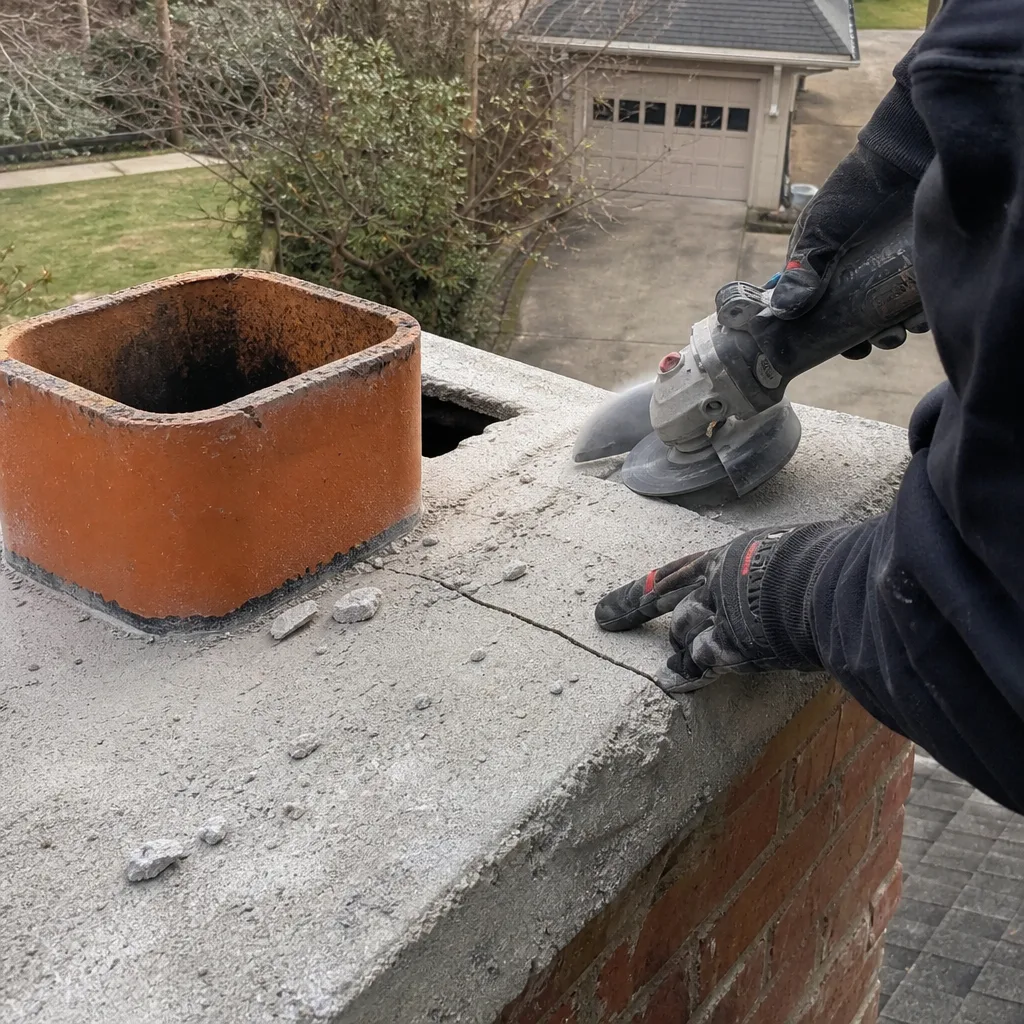
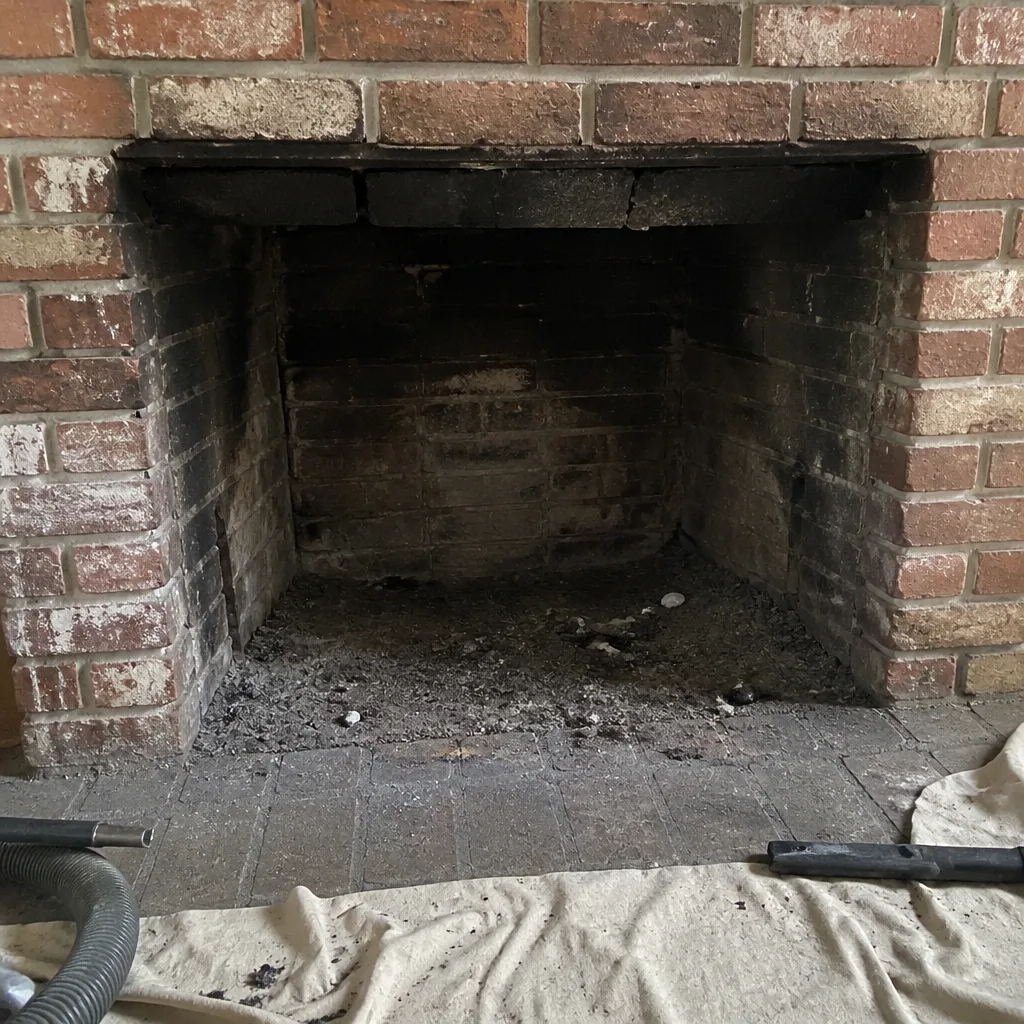 Before
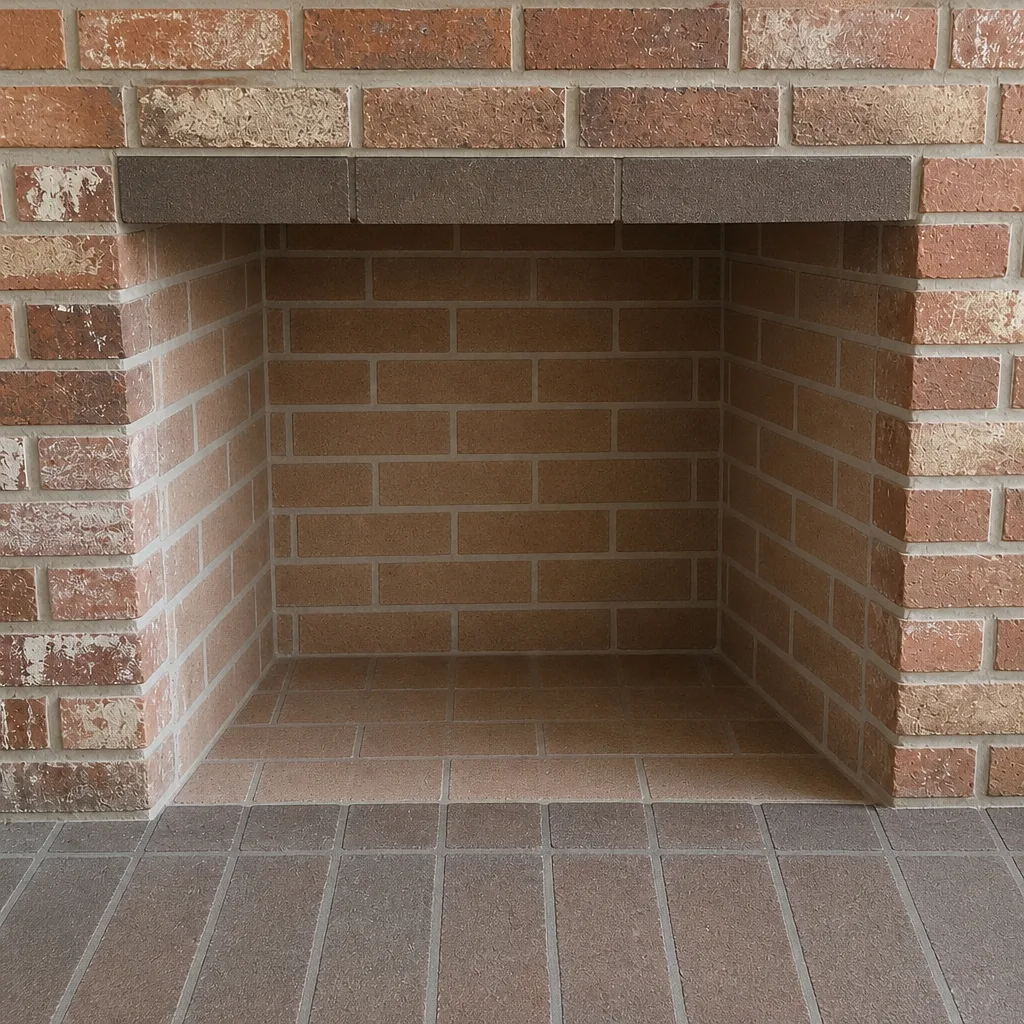 After
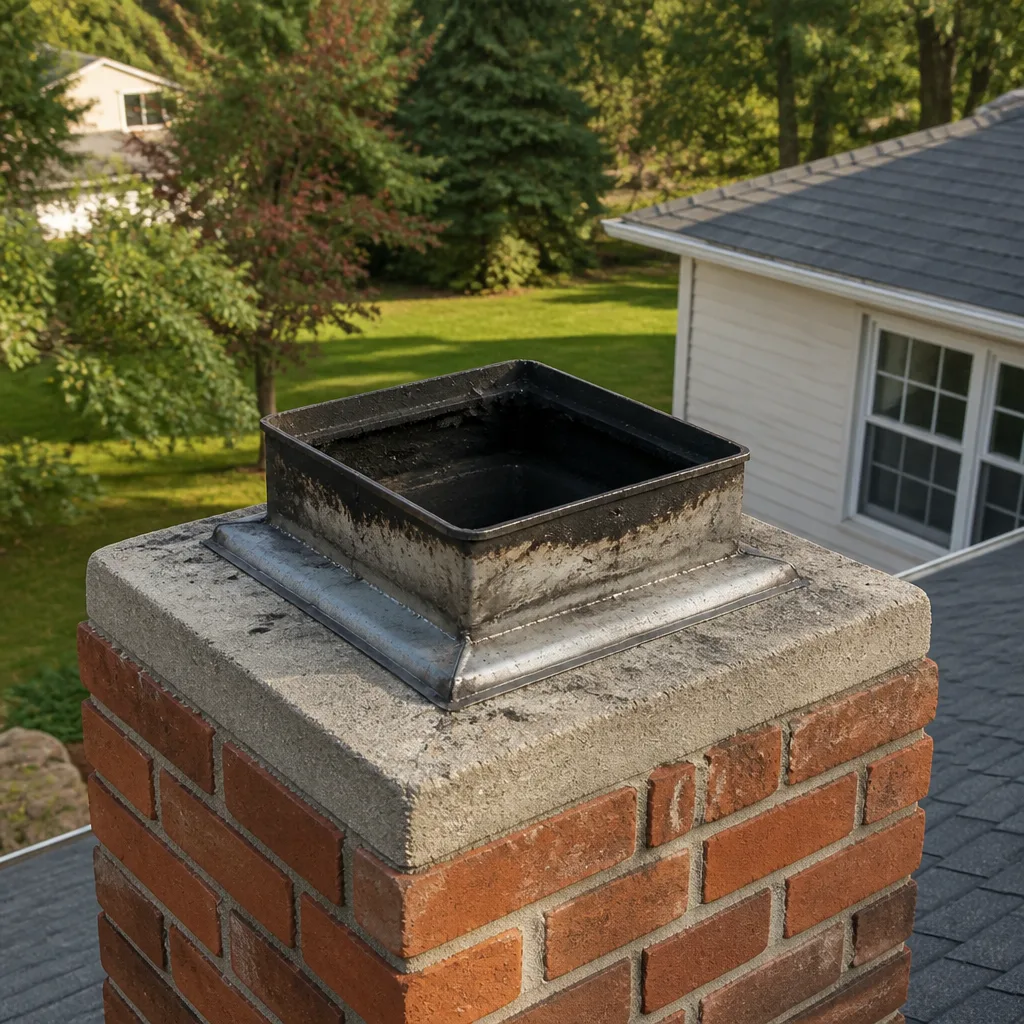
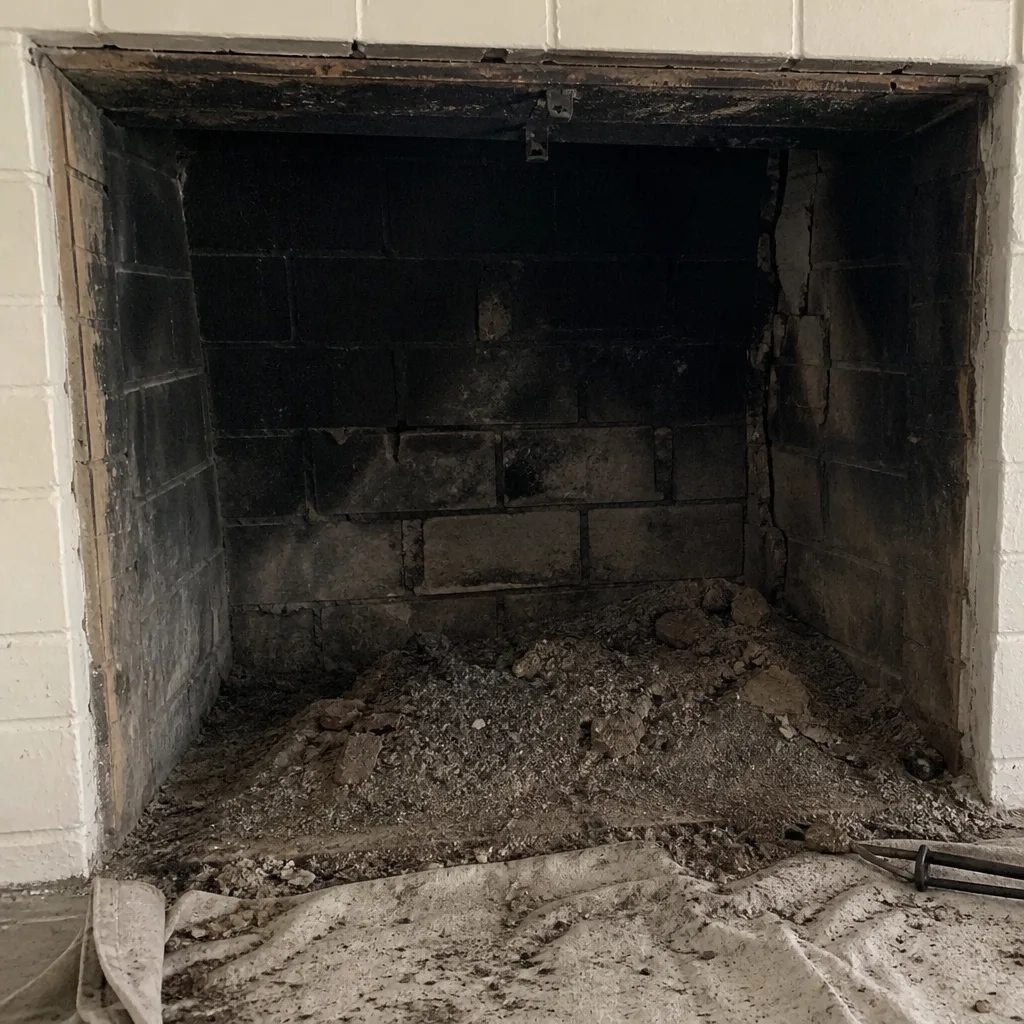 Before
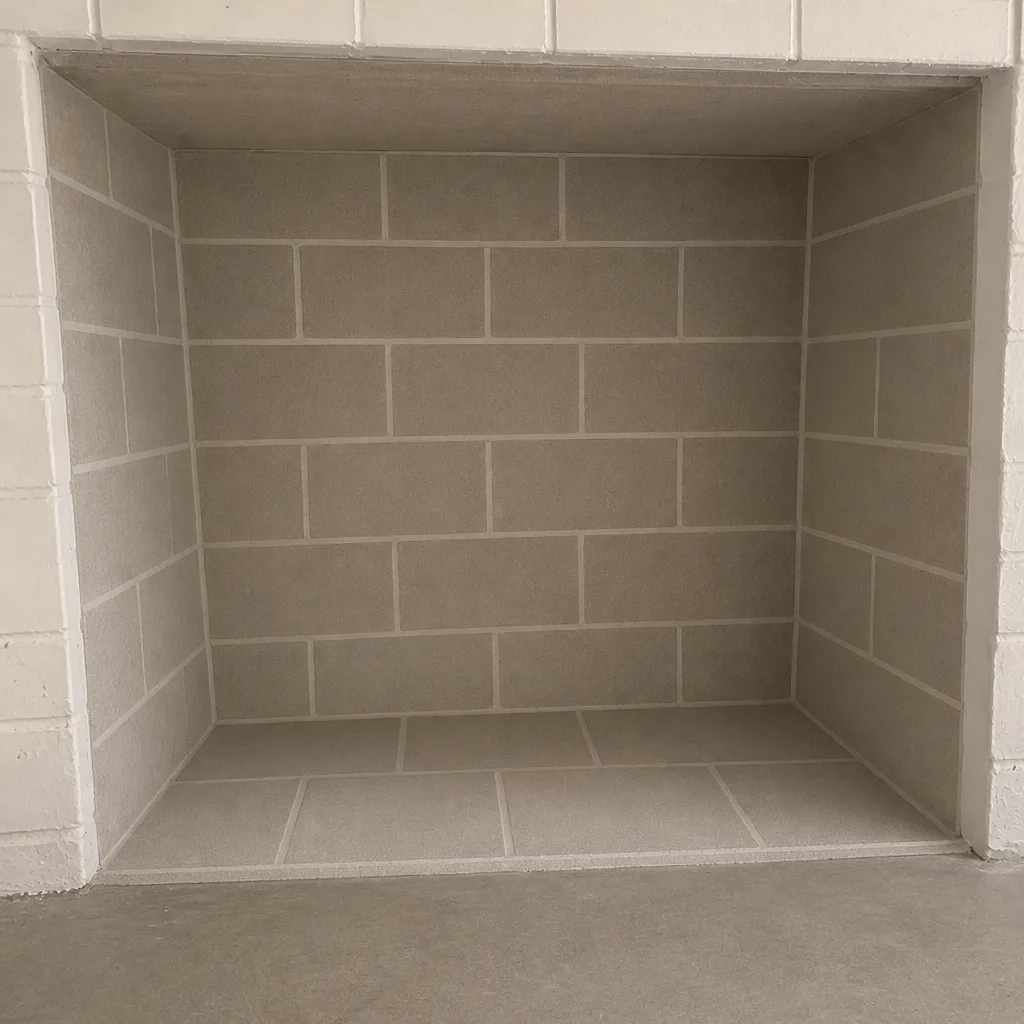 After
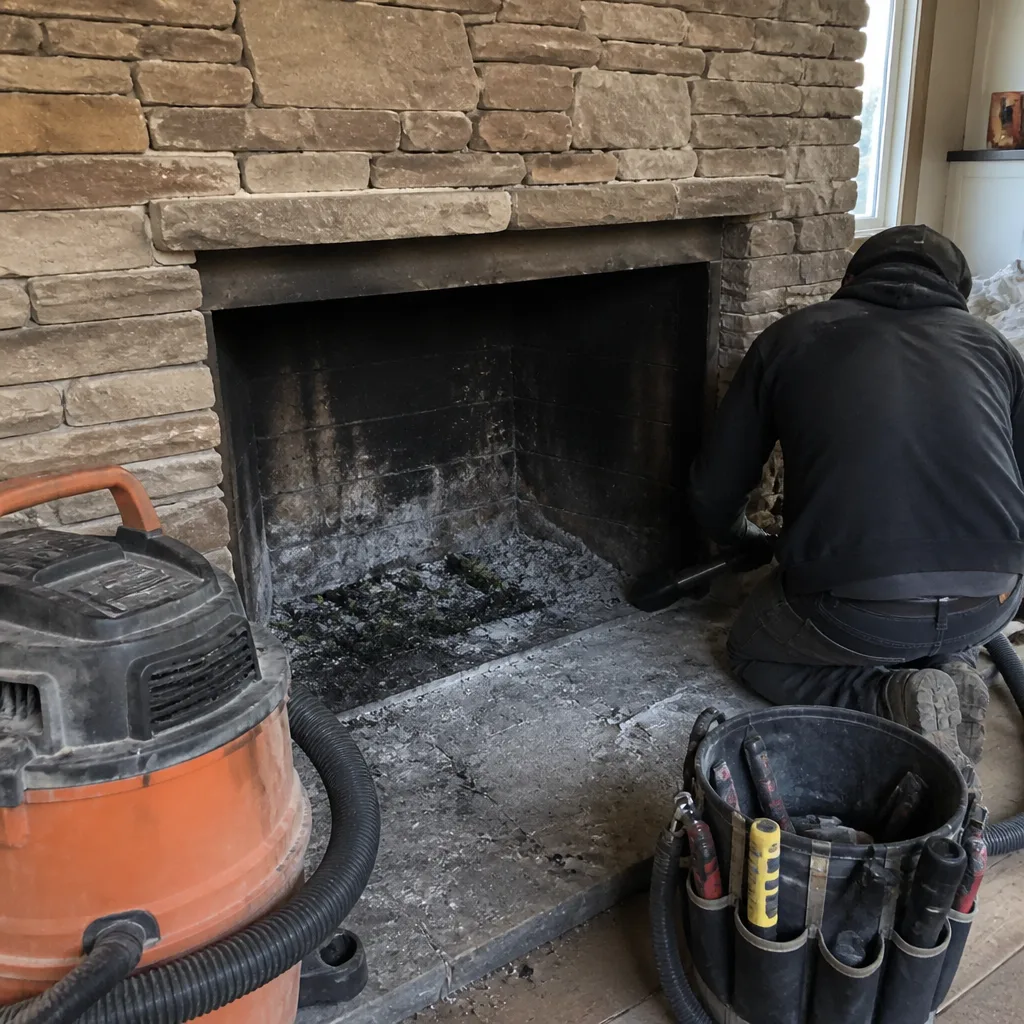 Before
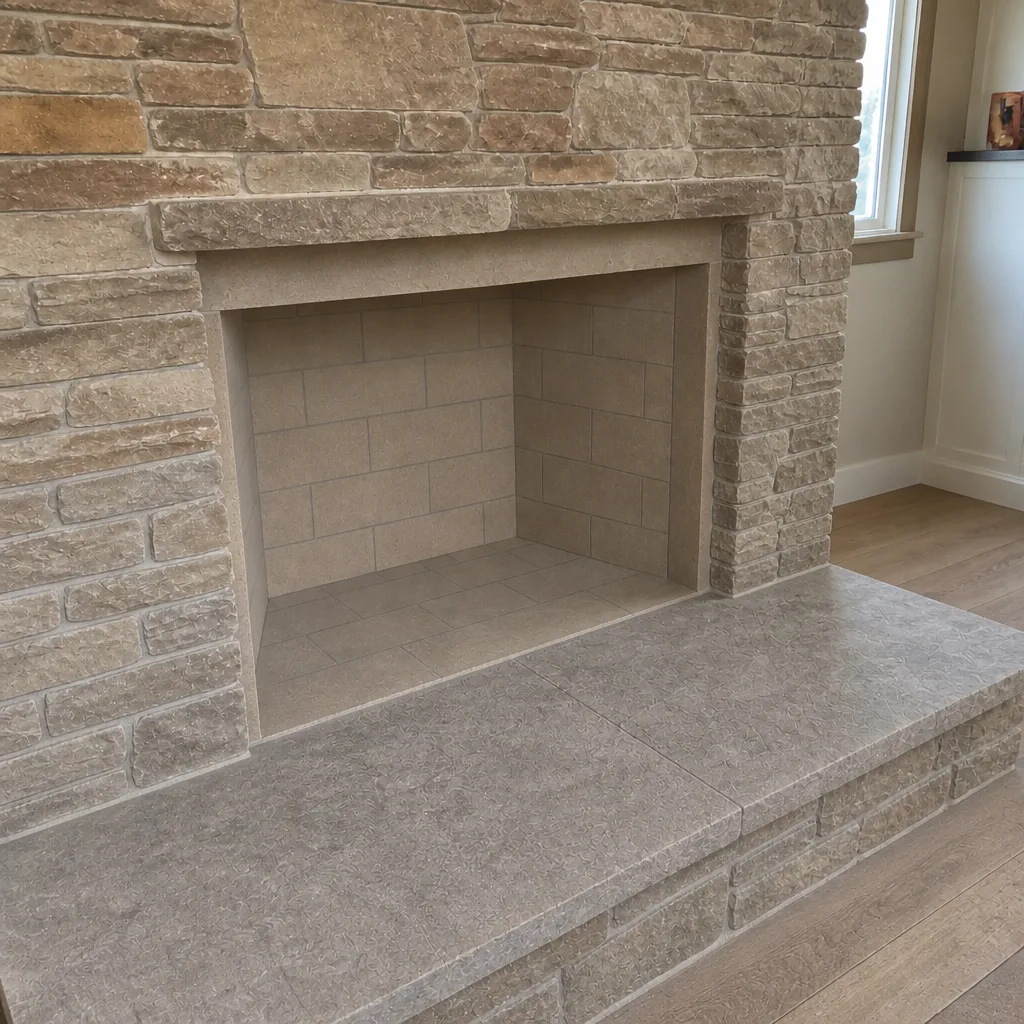 After
When to Call a Professional
Call a professional when any of these apply:
- A professional inspection is more than a year old, or you don’t know when one was last done.
- You see glazed, puffy, or crunchy creosote in the firebox.
- The chimney is on a Virginia-Highland home older than 25 years and has never had a camera inspection.
- There’s smoke backing into the room, a persistent smell, or the damper doesn’t operate correctly.
- There’s visible mortar damage, loose brick, or white staining on the exterior brickwork.
- You’ve noticed the cap is damaged or a bird or animal is using the chimney.
Chimney Sweep Virginia-Highland offers free estimates in Virginia-Highland. Call (877) 492-4448. We answer 24/7. Fast dispatch from 7am to 7pm, Sunday through Friday.
Frequently Asked Questions
You can safely remove firebox ash, check the cap and chase from the ground, and eyeball the firebox brick. You should not brush the flue yourself unless a professional inspection has documented that the liner is sound. In Virginia-Highland’s older clay-tile chimneys, brushing a compromised liner can do real damage, and the damage often isn’t visible from below. Call (877) 492-4448 for an inspection first, and we’ll tell you honestly whether DIY is a reasonable option for your chimney.
Once a year if you use the fireplace regularly, and once a year even if you don’t. The inspection matters more than the frequency of burning, because liner condition can change without any change in how often you use the chimney. Virginia-Highland’s mixed seasons put every chimney through repeated expansion and contraction, and that wear happens whether or not the fireplace has been used. Call (877) 492-4448 to book a sweep and inspection.
Not always. A camera inspection tells you whether the liner needs resurfacing, repair, or replacement, or whether it’s still in usable condition. HeatShield resurfacing is often the right fix for a clay liner with moderate damage, and a full relining with DuraFlex or Olympia Chimney is reserved for liners that can’t be saved. Nothing gets recommended without camera evidence you can review yourself. Call (877) 492-4448 to book an inspection and see the footage before you decide anything.
The main risk is creosote accumulation in the flue followed by a chimney fire. Every fire adds a layer of creosote to the flue walls, and glazed stage 3 creosote is highly flammable and requires professional removal. Beyond creosote, skipping the annual inspection means liner damage, cap failure, and moisture intrusion go undetected until they turn into bigger repair bills. Some of that work can safely wait a season, and an inspection is how you know which is which. Call (877) 492-4448 for an honest condition report.
A typical sweep with inspection runs in a range that varies with the number of flues, chimney height, and how much creosote needs removing. We price per job from a written estimate, and we’ll give you the range upfront during a free estimate before you commit. The written estimate sets the final price. Call (877) 492-4448 for an exact quote. Estimates are free.
A sweep removes creosote and debris from the flue. An inspection assesses the condition of the flue liner, smoke chamber, damper, cap, crown, and firebox. Both are useful, and they’re often done together, but they answer different questions. Our chimney inspection is available as a standalone diagnostic service if you want a condition report without a sweep or repair. Call (877) 492-4448 to schedule one.
The Bottom Line
DIY chimney cleaning isn’t inherently wrong. In a sound flue, brush maintenance between professional visits is reasonable and saves money. But Virginia-Highland’s housing stock is old, and the chimney systems in those homes have wear that a brush can’t detect and can actually make worse. The safe rule is straightforward: get a professional camera inspection first, establish the liner condition with a written photo report, and then decide whether DIY brush maintenance is appropriate between annual visits. If the inspection has never been done, or it’s been more than a year, that’s the starting point. Everything else follows from what the camera shows. Call (877) 492-4448 for a free estimate. We answer 24/7. Fast dispatch from 7am to 7pm, Sunday through Friday.
When you’re ready to book, we’re set up for the whole service: sweep, inspection, cap and crown work, fireplace repair, and structural chimney work. One call covers it, and the materials we use come from DuraFlex, HeatShield, Gelco, Olympia Chimney, Famco, and Copperfield.
Written by the team at Chimney Sweep Virginia-Highland.