
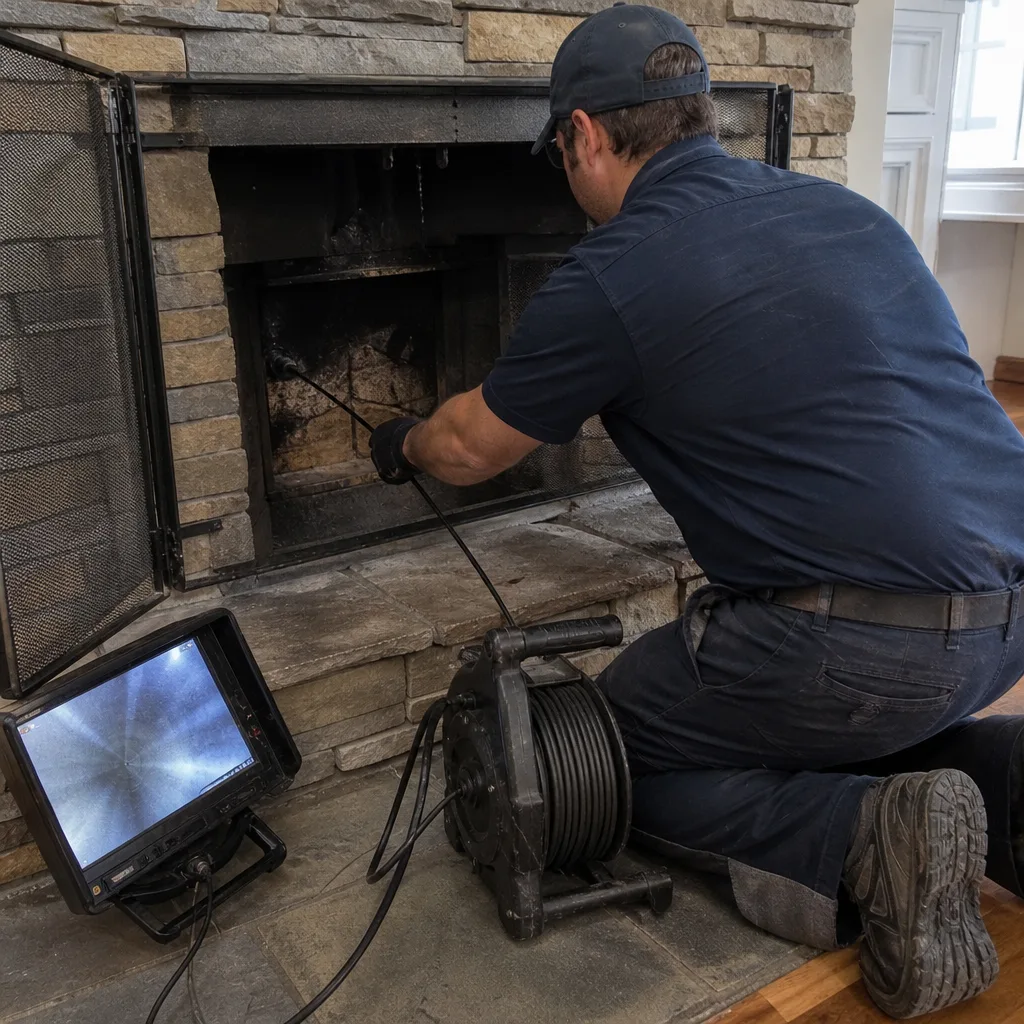
Last updated November 24, 2026
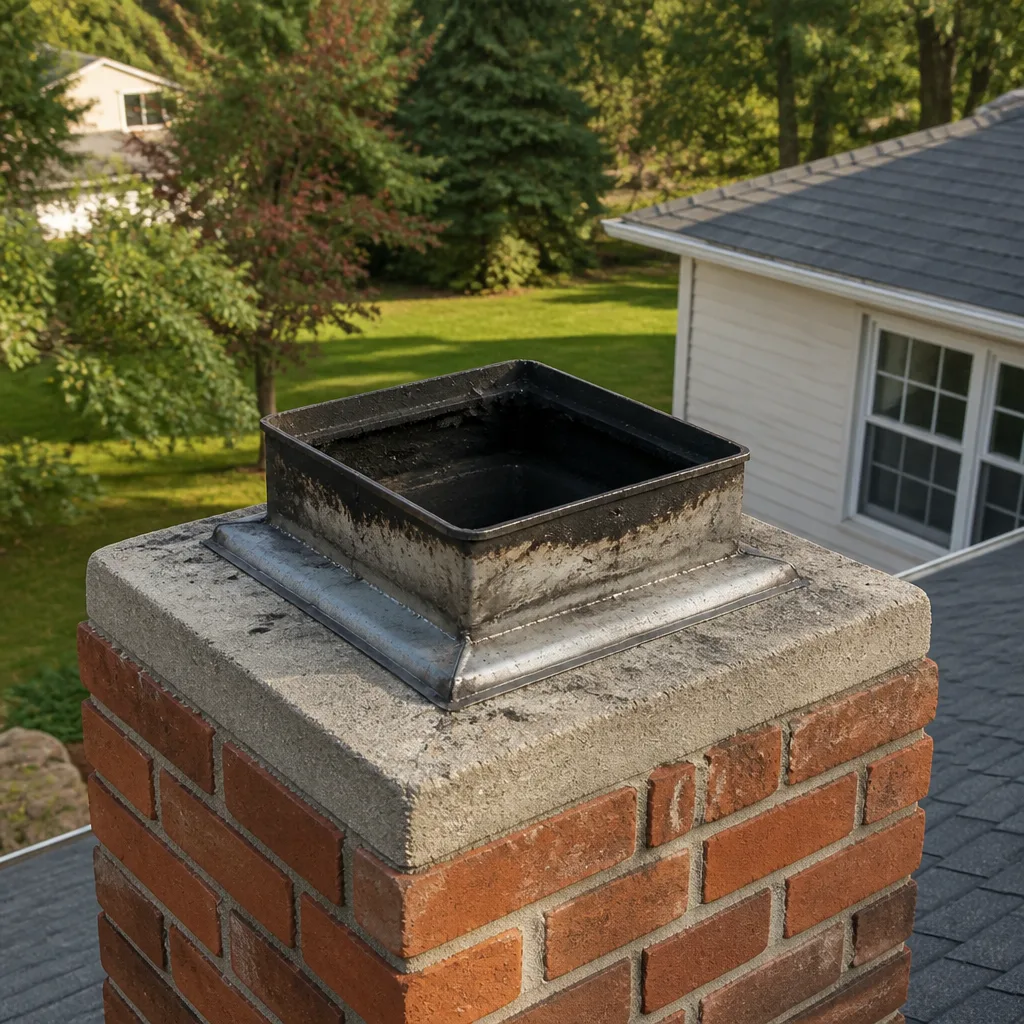 Sweep & inspection
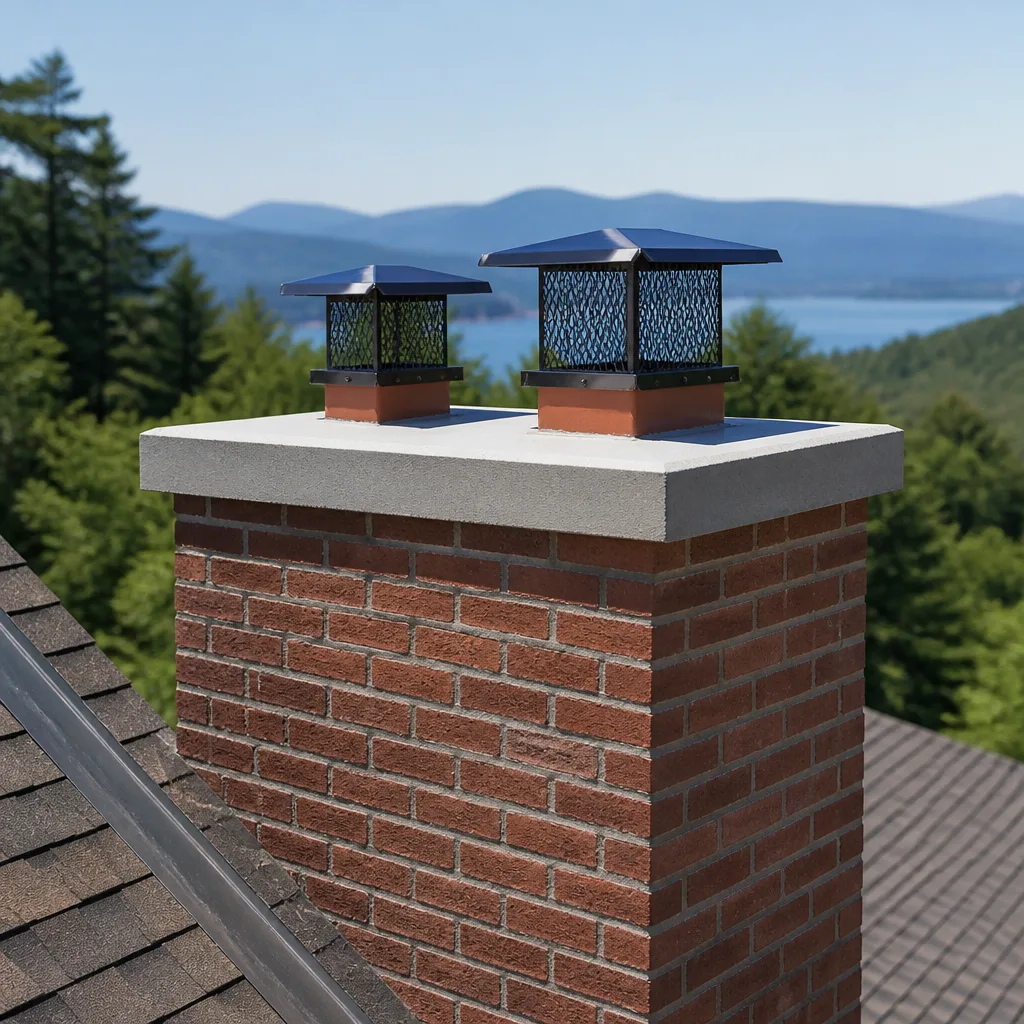 Caps & crowns
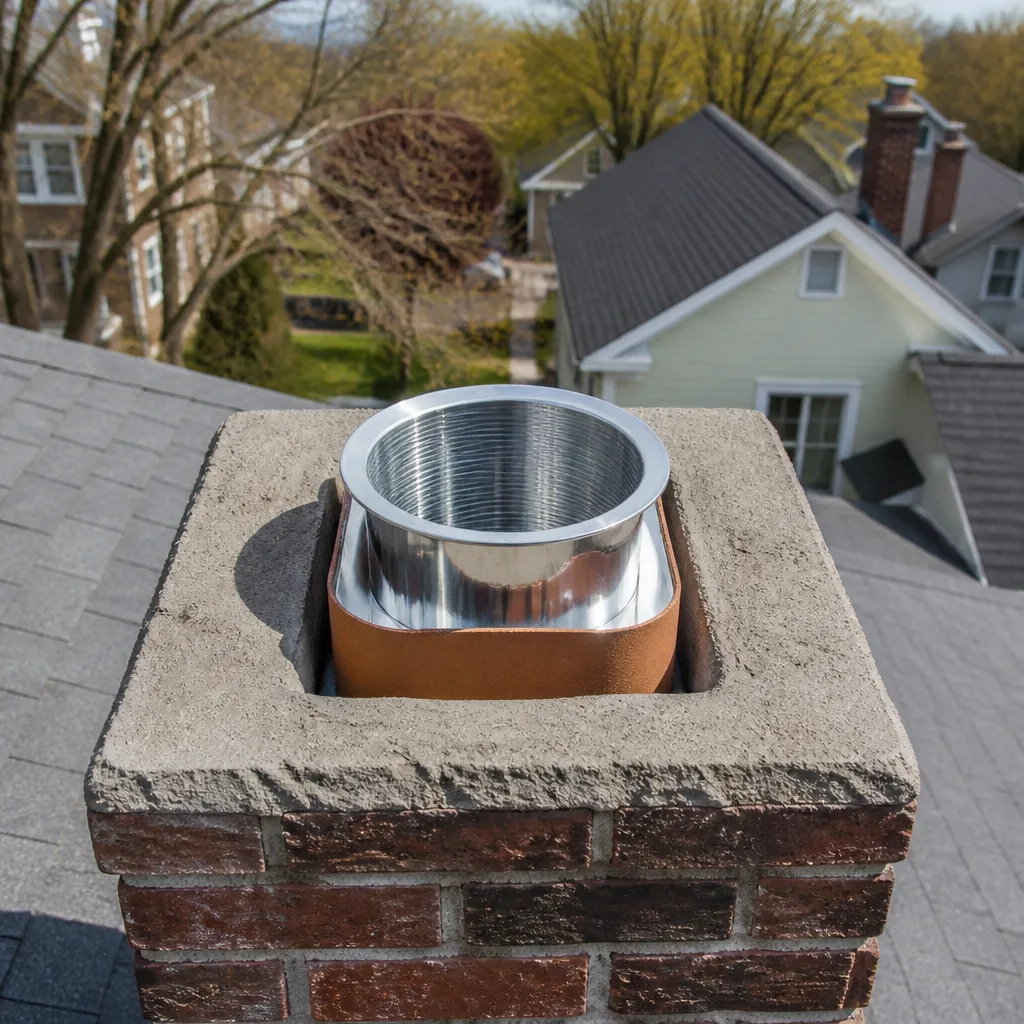 Flue relining
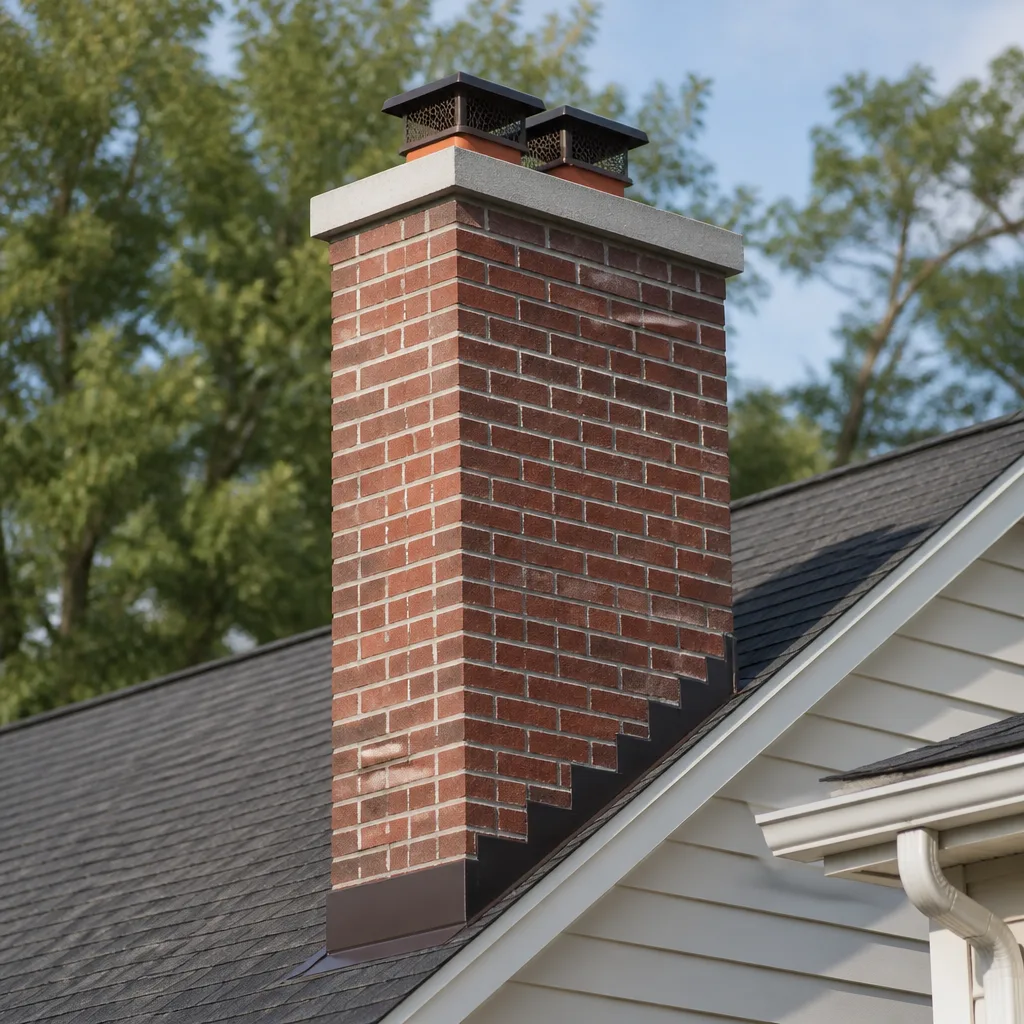 Masonry repair
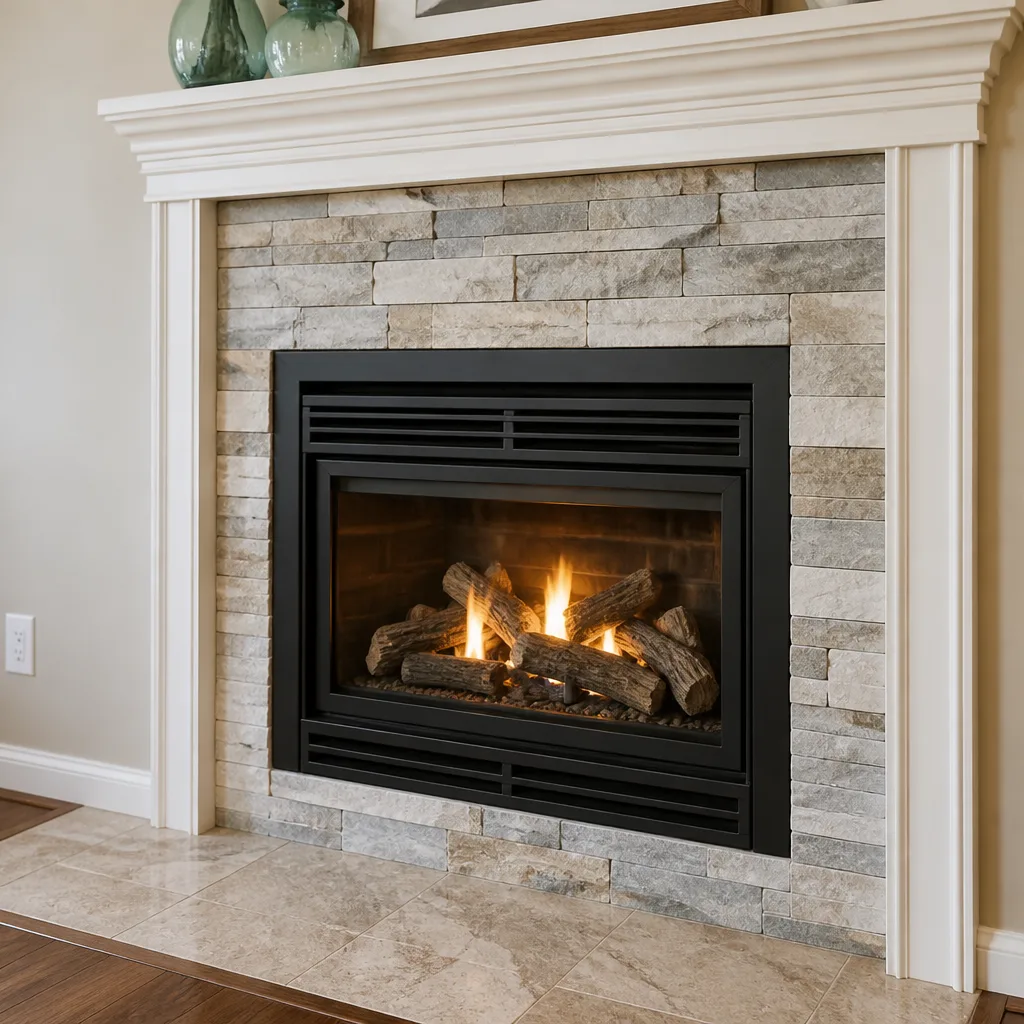 Gas fireplace service
Level 1 sweep and inspection to the NFPA 211 annual standard - flue, crown, cap, and flashing checked and photographed
Chimney sweep logs do not sweep chimneys. They loosen some creosote - which then falls where a brush and vacuum still have to collect it.
Chimney Cleaning Warning Signs: A Virginia-Highland Homeowner’s Reference Guide
A smoky fireplace in a Virginia-Highland bungalow is not a draft problem until you’ve ruled out a collapsed flue tile – and those two diagnoses have completely different repair costs and timelines. That’s the core mistake this guide exists to correct. Most of the warning signs homeowners notice are symptoms, not root causes. White staining on brick, smoke rolling into the room, a fire that won’t draw, tapping sounds behind the breast – each one points to a specific failure inside the system, and diagnosing it wrong is how people end up paying for the same repair twice. We’ll walk through what each sign actually indicates in the chimneys we see around Virginia-Highland, when it means the flue needs cleaning, and when it means something structural has started to fail. By the end, you’ll know which problems are routine, which are urgent, and which can safely wait until the season is over.
Quick Answer
The most important chimney warning signs in Virginia-Highland are smoke spilling back into the room, white mineral staining on exterior brick, a strong creosote smell when the fireplace is cold, tapping or scratching sounds inside the flue, and dark staining around the firebox opening. These split into two groups: signs of overdue cleaning (creosote buildup, odor, sluggish draft) and signs of structural failure (efflorescence, spalled brick, a liner breach, a damaged crown). Cleaning problems are fixed by a sweep. Structural problems need an inspection and repair. Conflating the two is the most expensive mistake a homeowner can make.
Styles & brands we work with
- Sweep & inspection
- Caps & crowns
- Flue relining
- Masonry repair
- Gas fireplace service
Table of Contents
- Five Warning Signs That Point to Structural Failure
- Three Warning Signs That Mean Cleaning Is Overdue
- What White Staining on Brick Actually Tells You
- Smoke Spillback: The Full Diagnostic Tree
- Sounds Inside the Chimney: Tapping, Scratching, Rumbling
- Cosmetic Firebox Staining vs. a Real Warning
- Why Wrong Diagnoses Cost Twice in Virginia-Highland Chimneys
- Common Mistakes to Avoid
- When to Call a Professional
- Frequently Asked Questions
- The Bottom Line
Five Warning Signs That Point to Structural Failure
Structural problems don’t fix themselves and they don’t improve with a cleaning. The five signs below are the ones we treat as red flags in Virginia-Highland, where many homes were built with masonry chimneys that have had decades of heat cycling and weather on them.
- White mineral staining (efflorescence) on exterior brick. Covered in detail further down, but it’s the single most misread sign we see. It usually means water is moving through the masonry and the chimney’s barrier against moisture has failed somewhere.
- Spalled or flaking brick. When brick face pops off or crumbles, it’s often the same water problem advanced to a structural stage. The chimney is losing mass.
- A cracked or crumbling crown. The concrete cap at the top of the chimney sheds water away from the flue. When it cracks, water goes straight down into the stack. This is one of the most common structural issues and one of the cheapest to fix early.
- Missing or damaged flue tile joints. Flue tiles are designed to contain heat and gases. When joints crack and open, heat reaches the surrounding masonry and framing. Only a camera inspection confirms this, which is why we don’t guess.
- A leaning or visibly shifted chimney stack. Movement in the stack is a foundation or footing issue, not a cosmetic one. It needs eyes on it before the next fire.
None of these are cleaning issues. A sweep removes creosote; it does not repoint brick, rebuild a crown, or restore a flue liner. If you’re seeing any of these, the correct next step is an inspection that documents what’s actually there. If you want the baseline condition of your system recorded before the season, a dedicated Chimney Sweep Virginia-Highland inspection is where we start.
Three Warning Signs That Mean Cleaning Is Overdue
The other side of the ledger. These three signs don’t point to structural damage – they point to a flue that’s loaded with creosote and needs a sweep before it’s used again.
- A strong, sour creosote smell when the fireplace is cold. That smell is concentrated creosote releasing volatile compounds. It gets worse in humid weather, and it’s the clearest signal that the flue has accumulated a layer thick enough to matter.
- A fire that starts hard and burns lazy. A flue restricted by buildup pulls less air. You get a smoldering fire, more smoke, and more creosote deposited on top of what’s already there. It’s a self-feeding cycle.
- Visible soot or black glaze on the firebox walls and damper. Some darkening is normal. A thick, shiny, glaze-like layer is not, and it’s the kind of creosote that burns hottest.
Cleaning is a routine service. If the signs point to buildup and nothing else, book a chimney sweep, get the flue cleaned, and confirm with a camera that the tiles are intact once the soot is out of the way. If any of the structural signs from the previous section are also present, the sweep happens first and the inspection findings get addressed second. Order matters. You can’t judge the condition of a flue tile you can’t see.
What White Staining on Brick Actually Tells You
Efflorescence is a white, powdery mineral deposit on the surface of brick or mortar. It looks like a cosmetic stain. It almost never is.
Here’s what’s happening. Water gets into the brick and mortar, dissolves salts present in the masonry, and carries them to the surface as it evaporates. The white powder is the salt left behind. The stain is a receipt – proof that water has been migrating through the chimney. Where that water enters and how far it travels is the actual question, and it has several possible answers in a Virginia-Highland chimney:
- Through a failed crown. Cracks in the concrete at the top let rain pour straight into the top of the stack. This is the most common entry point we find.
- Around a missing or undersized cap. A chimney without a proper cap takes rain directly down the flue. The right cap is fitted to the flue arrangement, which is why we work with more than one product line – Olympia Chimney, Famco, and Copperfield covers the range of configurations we run into.
- Through porous brick and failed mortar joints. Older brick absorbs water. Deteriorated joints give it a path in.
- From a cracked flue liner. Water can also move from inside the flue outward after a breach.
Diagnosing efflorescence as “just a stain” and painting over it is the classic error. The water keeps coming, the salts keep pushing, and the paint fails along with the brick. The white staining stops when the water path is closed, not before.
Smoke Spillback: The Full Diagnostic Tree
Smoke rolling out of the fireplace opening instead of going up the flue is the symptom homeowners call about most. It has at least four distinct causes, and each one has a different fix. Ruling them out in order is how a proper diagnosis works:
- Start with the damper. A damper that’s closed, stuck partly open, or broken will cause spillback with no other fault present. Check it first – it’s the cheapest possible answer.
- Then look at the smoke chamber geometry. The smoke chamber is the sloped area between the damper and the flue. When it’s oversized, roughly built, or coated in creosote, smoke struggles to make the turn upward and stalls into the room. This is a geometry and condition issue, and it surprises a lot of homeowners who assumed the flue itself was defective.
- Then check liner condition. A cracked or offset flue tile disrupts the draft. Gases can also escape into the surrounding chimney structure, which is a safety issue, not just a performance one. Only a camera inspection settles this question. A fireplace repair that ignores the flue behind it is incomplete work.
- Then rule out external draft interference. A nearby roofline, a taller neighboring structure, or a chimney that’s too short for its location can all push air down the flue and overwhelm the draft.
Why does this order matter? Because a smoky fireplace is not a draft problem until you’ve ruled out a collapsed flue tile. The two repairs are not close in cost or scope. Tune the firebox and improve airflow and you’re done in an afternoon. Reline a failed flue and you’re into a full structural job. Diagnosing in the wrong order means paying for the first to learn you needed the second.
Sounds Inside the Chimney: Tapping, Scratching, Rumbling
Noises from inside a chimney are information. Each type typically points to a different source, and one of them is a genuine safety concern:
- Scratching and light scuffling. This is usually wildlife – birds, squirrels, or raccoons that have gotten past the cap or through an open, uncapped flue. The animals themselves are one problem; the nesting material and debris they deposit are a second, and that material near a hot flue is a fire risk. A properly fitted cap from a line like Gelco closes the entry point.
- Tapping or ticking, often after the fire goes out. Metal components expand and contract as they heat and cool. Ticking usually points to a metal liner or damper component moving with temperature. It’s often harmless, but it’s worth confirming what’s actually in the flue rather than assuming.
- Rumbling or a muffled roar during a fire. This one gets attention. A rumbling sound during combustion can indicate a draft problem, an obstructed flue, or a fire behaving in a way it shouldn’t. It’s a cue to stop using the fireplace and have the system inspected before the next fire.
We’ve learned not to guess at a sound over the phone. The camera tells us what’s there, and that’s the basis for any recommendation we make.
Cosmetic Firebox Staining vs. a Real Warning
Dark staining inside the firebox is normal. Fire produces soot. The question isn’t whether the interior is stained – it’s whether the staining pattern makes sense for how the fire actually burns.
Staining that’s fairly even, gray-black, and consistent with normal use is cosmetic. It comes off with a sweep and doesn’t tell you anything alarming about the system.
Staining that’s cause for a closer look is different:
- Heavy, glossy, tar-like deposits on the firebox walls and damper point to incomplete combustion – a fire that’s smoldering and depositing creosote rather than burning hot and clean. That means more buildup in the flue than the number of fires would suggest.
- Soot streaks rising above the firebox opening suggest smoke is escaping past the damper and into the room face rather than going up. That ties back to the spillback section.
- Staining that suggests a liner breach – soot or staining in places it shouldn’t be, or visible damage to flue tile near the top of the firebox – is the one diagnostic that only a camera can settle. Soot is not a verdict. Camera evidence is.
When we find a breached flue tile, the fix is a liner repair, not a cleaning. For tile damage specifically we use HeatShield, the professional resurfacing system that restores a damaged flue from the inside. It’s a restoration, not a patch, and it’s the reason we’re set up to handle liner work ourselves instead of sending you to a second contractor. For full relines we use DuraFlex or Olympia Chimney systems, sized to the flue and the appliance.
Why Wrong Diagnoses Cost Twice in Virginia-Highland Chimneys
Virginia-Highland is an older Atlanta neighborhood, and its housing stock shapes how chimney problems present. Many homes were built with masonry fireplaces that have been through decades of hot summers, wet winters, and the freeze-thaw swings that come with a Georgia climate. Summer humidity expands and contracts stacked masonry. Winter cold snaps hit any water that’s gotten into the brick. Those cycles are the mechanism behind most of the structural signs covered above, and they’re the reason we treat efflorescence and spalling as more than cosmetic.
Here’s the cost problem. A homeowner with spillback assumes a drafting issue, pays for drafting work, and the smoke comes back because the real cause is a cracked flue tile. Or a homeowner sees white staining and books a cleaning, because a cleaning is the only chimney service they knew to ask for. The cleaning gets done. The stain stays. A season later the crown has failed further and the repair costs more than it would have. Same story with a fireplace that needs structural attention: a cosmetic refacing of the firebox that ignores a compromised flue behind it is money spent twice.
The fix is simple and it’s the approach we take on every Virginia-Highland job: put a camera in the flue, document what it shows, and let the homeowner see the evidence. A chimney inspection is a diagnostic service, not a sales pitch. You get a condition report you can act on – or decide not to act on, if the work can safely wait. Nothing gets recommended without something you can look at and understand. If a company can’t show you why they’re recommending a repair, that’s your signal to get a second opinion.
Common Mistakes to Avoid
- Treating efflorescence as a cosmetic stain. White deposits on exterior brick are evidence of active water migration. Painting over them hides nothing and usually fails within a season.
- Assuming smoke spillback means the flue is too short. Short flues cause spillback, but so do a closed damper, poor smoke chamber geometry, and a cracked liner. Ruling out the damper and the liner before adding stack height saves you from a repair that never fixed the problem.
- Booking a cleaning when an inspection is what’s needed. If you’re seeing structural signs – spalling, a damaged crown, staining that doesn’t fit normal use – a sweep alone doesn’t answer the question. Get the camera inspection done first.
- Skipping the cap because the chimney “seems fine without one.” Every uncapped flue in Virginia-Highland is an open door for rain, animals, and debris. A cap fitted to your flue configuration is a small job that prevents a much larger one.
- Reusing a damaged flue without checking the liner joints. A fire in a flue with cracked tile joints sends heat into the surrounding masonry and framing. Camera inspection before reuse, every time.
- Stopping at a cleaning when the crown is already cracked. Water coming in through a failed crown feeds the efflorescence cycle and accelerates spalling. Fixing the source of the water is the lasting repair, and the crown is usually where it starts.
- Ignoring noises after a fire goes out. Ticking is often harmless, but scratching means animals, and rumbling during a fire means stop. When a sound doesn’t fit the normal pattern, take it seriously enough to look.
When to Call a Professional
Call when you notice any of these: smoke spilling into the room, white staining on exterior brick, spalled brick or a visible crack in the crown, tapping or scratching sounds inside the chimney, a strong creosote odor, or a creosote layer thick enough that you can see it in the firebox. Those are the signs that separate a routine sweep from a structural problem – and they’re the ones worth having documented before the next fire.
An experienced crew confirms what’s actually there with a camera and gives you a report you can see for yourself. Chimney Sweep Virginia-Highland works with professional-grade product lines – DuraFlex, HeatShield, Olympia Chimney, Famco, and Copperfield – so whatever the diagnosis turns up, the fix is spec’d to the flue rather than the other way around. Our technicians have up to 9 years of experience. We offer free estimates in Virginia-Highland – call (877) 492-4448. We answer 24/7. Fast dispatch from 7am to 7pm, Sunday through Friday.
Frequently Asked Questions
White staining on exterior brick and a damaged crown are the two most commonly missed signs. Both are visible from the ground, both indicate water getting into the chimney, and both tend to be written off as cosmetic until the damage has advanced to spalling or a failed liner. A strong creosote smell when the fireplace is cold is the third – if you can smell creosote, there’s enough buildup in the flue to warrant a sweep. Call (877) 492-4448 for an exact quote – estimates are free.
Once a year, ideally before the heating season starts. Annual inspection is the standard because it catches structural signs while they’re still small – a hairline crown crack that’s cheap to seal, a flue tile joint that hasn’t opened up yet. Cleaning frequency depends on how much you burn and how well the wood is seasoned. Many homeowners need a sweep when creosote accumulates to a meaningful layer, which commonly works out to once a year for regular winter use, but the inspection is what tells you for certain. Call (877) 492-4448 for an exact quote – estimates are free.
It means water is migrating through the masonry. The white powder is salt carried to the surface by moisture and left behind as it evaporates. The stain is a starting point, not the answer – the real question is where the water is getting in. A cracked crown, a missing cap, failed mortar joints, and a cracked flue liner are the usual entry points we find in Virginia-Highland. Nothing gets recommended without camera evidence you can review yourself. Call (877) 492-4448 for an exact quote – estimates are free.
In order of what to rule out: a closed or stuck damper, poor smoke chamber geometry, a cracked or offset flue liner, and external draft interference from surrounding structures. The order matters. A collapsed flue tile and a drafting issue have very different repair costs and timelines, and mistaking one for the other is how homeowners end up paying for a repair that doesn’t solve the problem. Start with the damper and a camera inspection of the flue. Call (877) 492-4448 for an exact quote – estimates are free.
Scratching and scuffling usually mean wildlife – birds, squirrels, or raccoons that got past an uncapped flue. Tapping or ticking after a fire goes out usually means metal components expanding and cooling. Rumbling or a muffled roar during a fire is a stop-using-the-fireplace signal: it can point to an obstructed flue or a fire behaving badly. Call us and we’ll get eyes on it rather than guessing over the phone. Call (877) 492-4448 for an exact quote – estimates are free.
Yes. We treat inspection as a standalone diagnostic service – you get an honest condition report without committing to additional work. That’s deliberate: a condition report you can review is what lets you decide whether the work is urgent, routine, or something that can safely wait. If a sweep isn’t needed, we’ll tell you so. If structural work is needed, we’ll show you the camera evidence. Call (877) 492-4448 for an exact quote – estimates are free.
The Bottom Line
The warning signs covered here fall into two distinct groups, and the distinction is what saves homeowners money. Overdue cleaning shows up as creosote odor, sluggish fires, and glaze on the firebox walls – fixable with a sweep. Structural failure shows up as efflorescence, spalling, crown damage, and spillback that survives the damper check – fixable only with inspection and repair. White staining, smoke in the room, and odd sounds are symptoms; correctly identifying which problem they point to is the whole job. Get the camera inspection done before booking any repair. Let the evidence decide, not the assumption. Call (877) 492-4448. We answer 24/7. Fast dispatch from 7am to 7pm, Sunday through Friday. Estimates are free, and the written estimate sets the final price.
Contact Us
If your fireplace is telling you something and you’re not sure what it means, call us at (877) 492-4448 for a free estimate. We answer 24/7. Fast dispatch from 7am to 7pm, Sunday through Friday. We’ll put a camera in the flue, show you what’s there, and tell you plainly what needs fixing now, what can wait, and what doesn’t need fixing at all.
Written by the team at Chimney Sweep Virginia-Highland.
See the difference
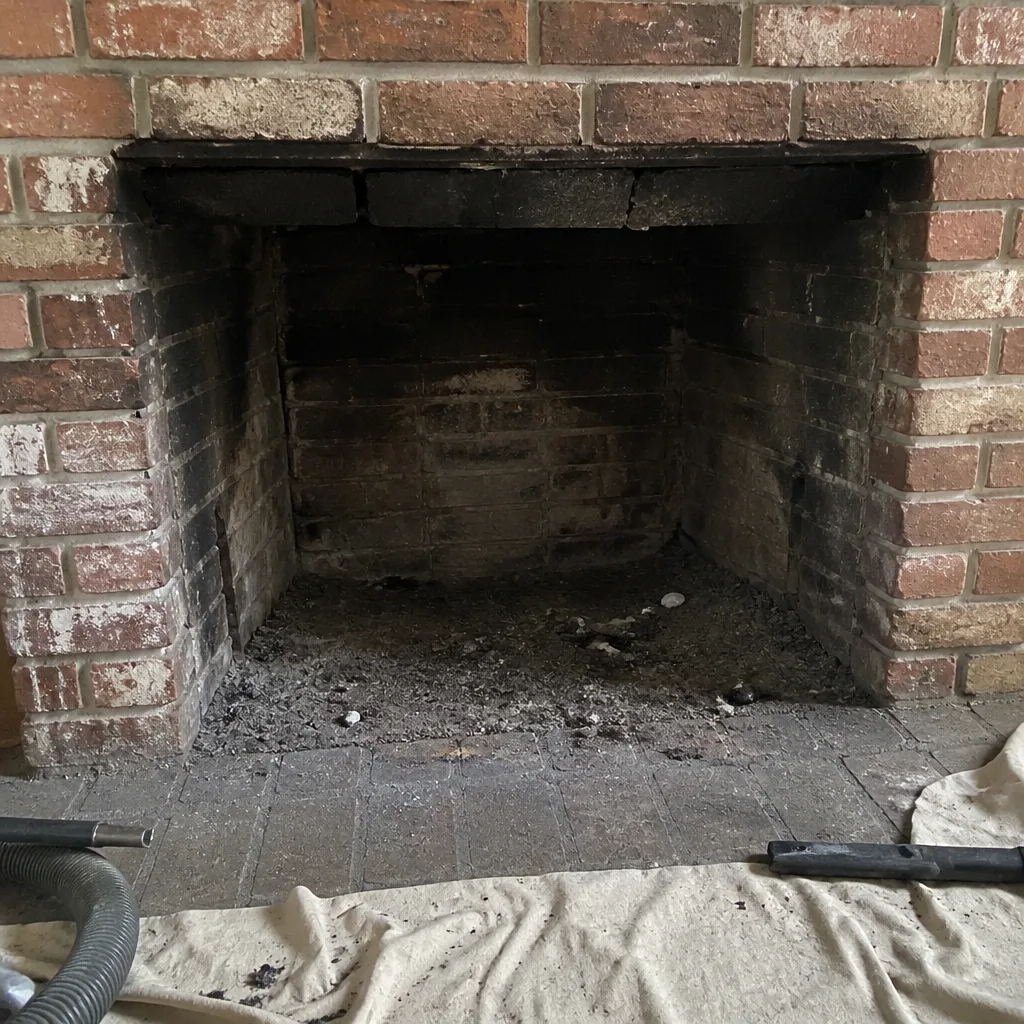 Before
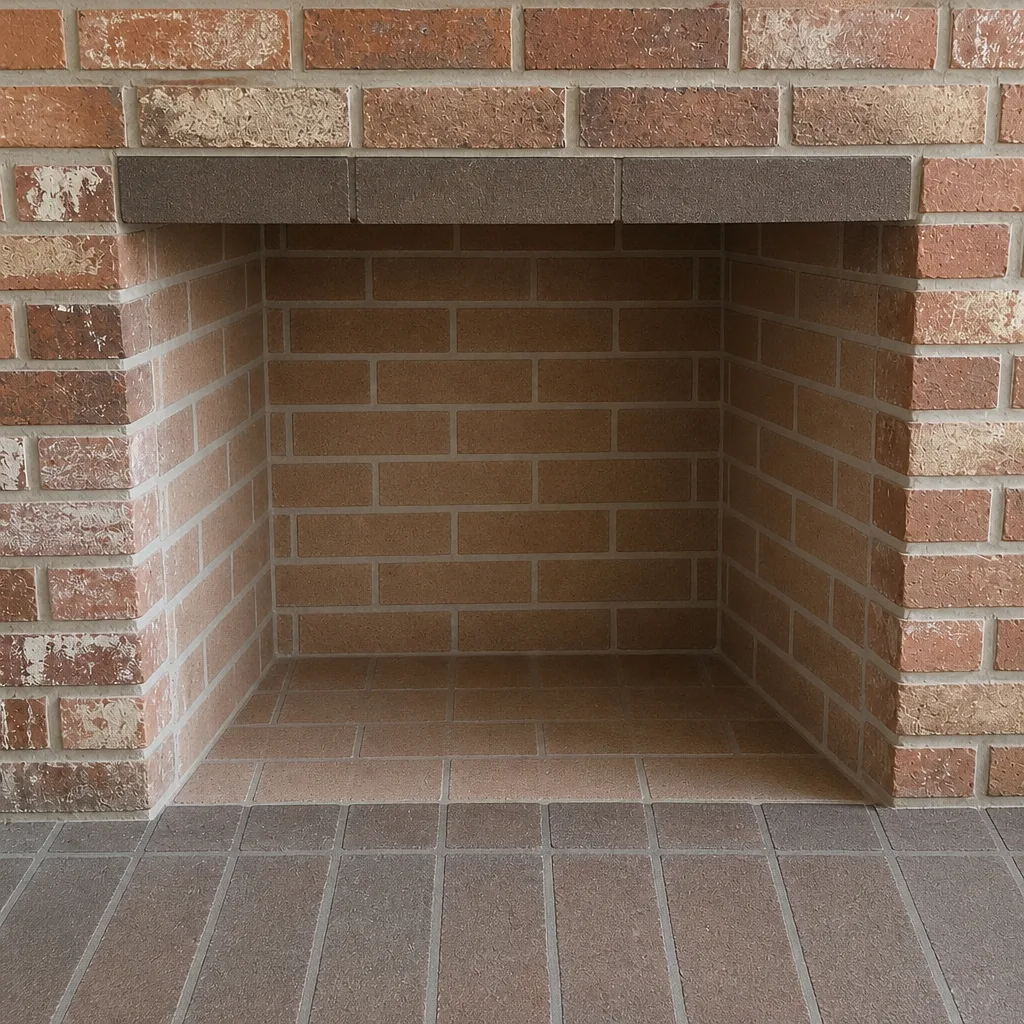 After
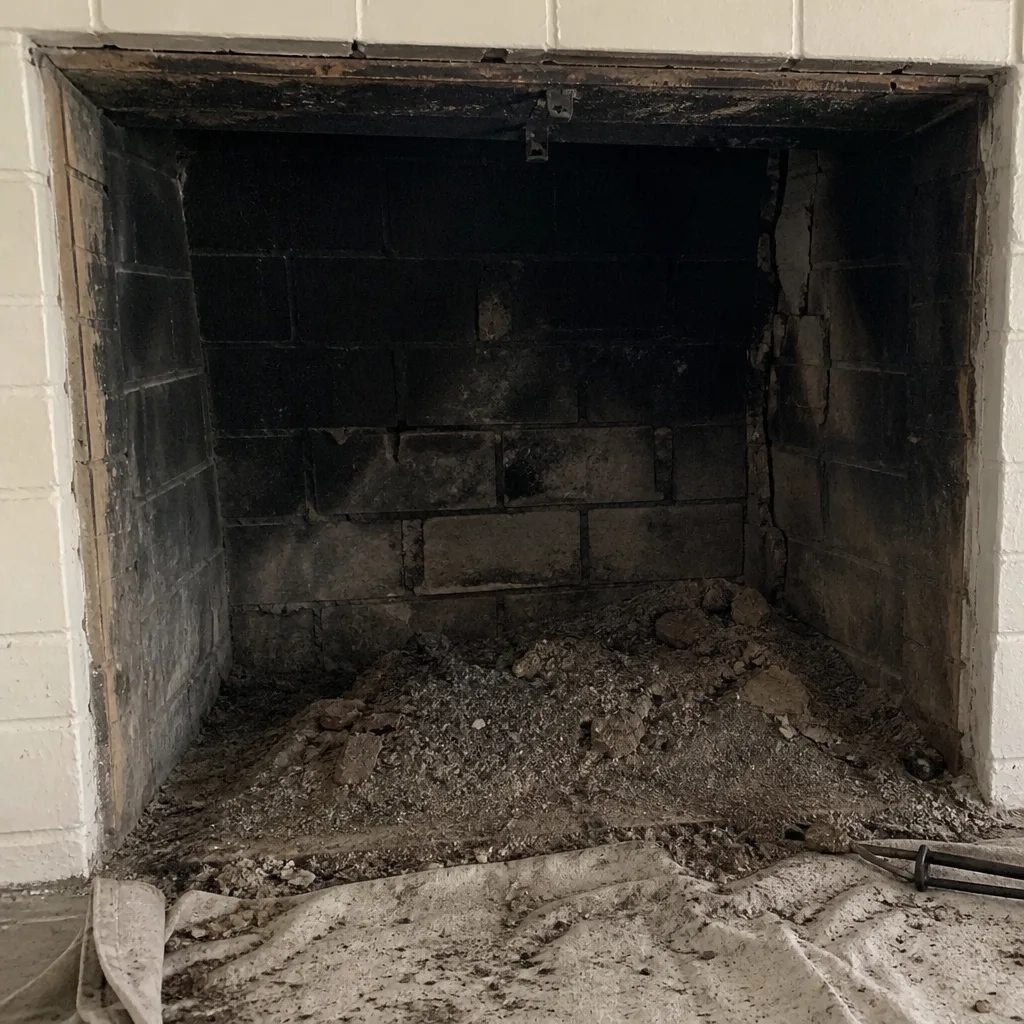 Before
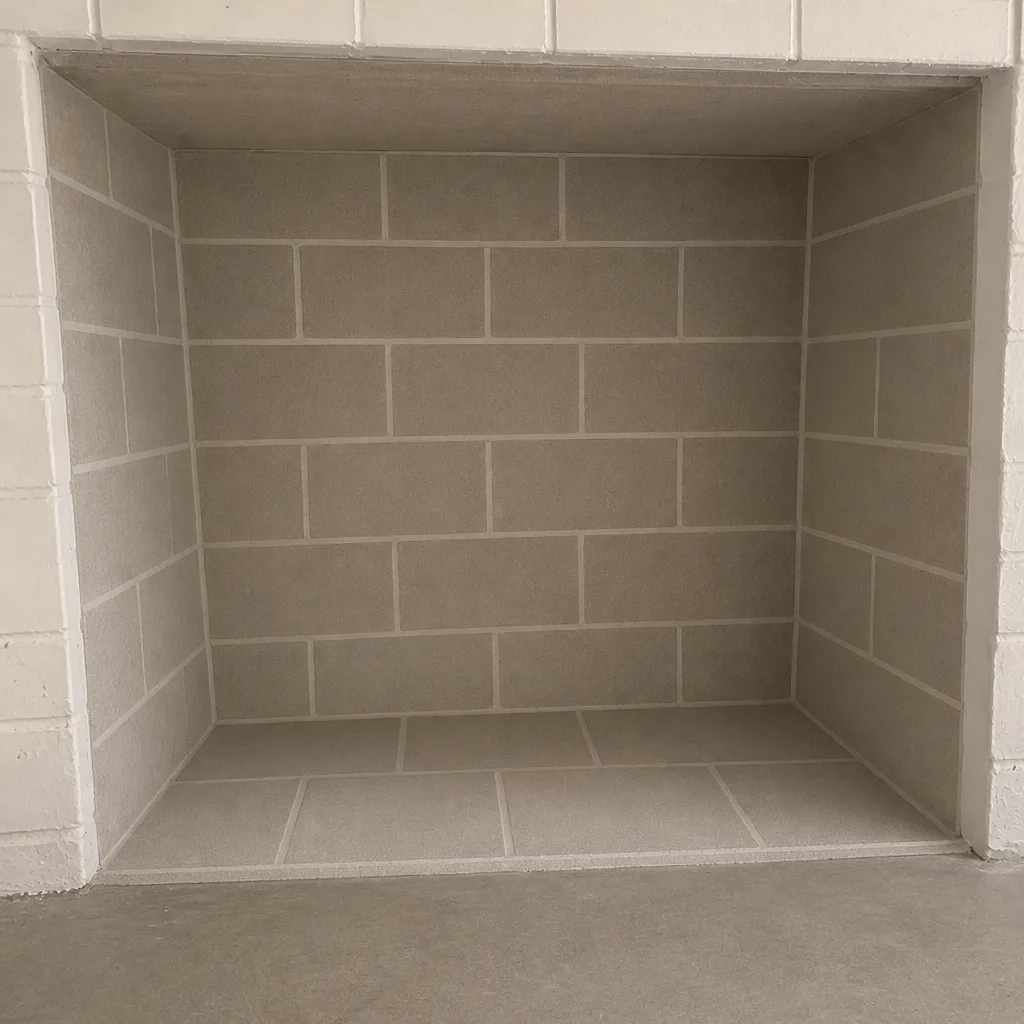 After
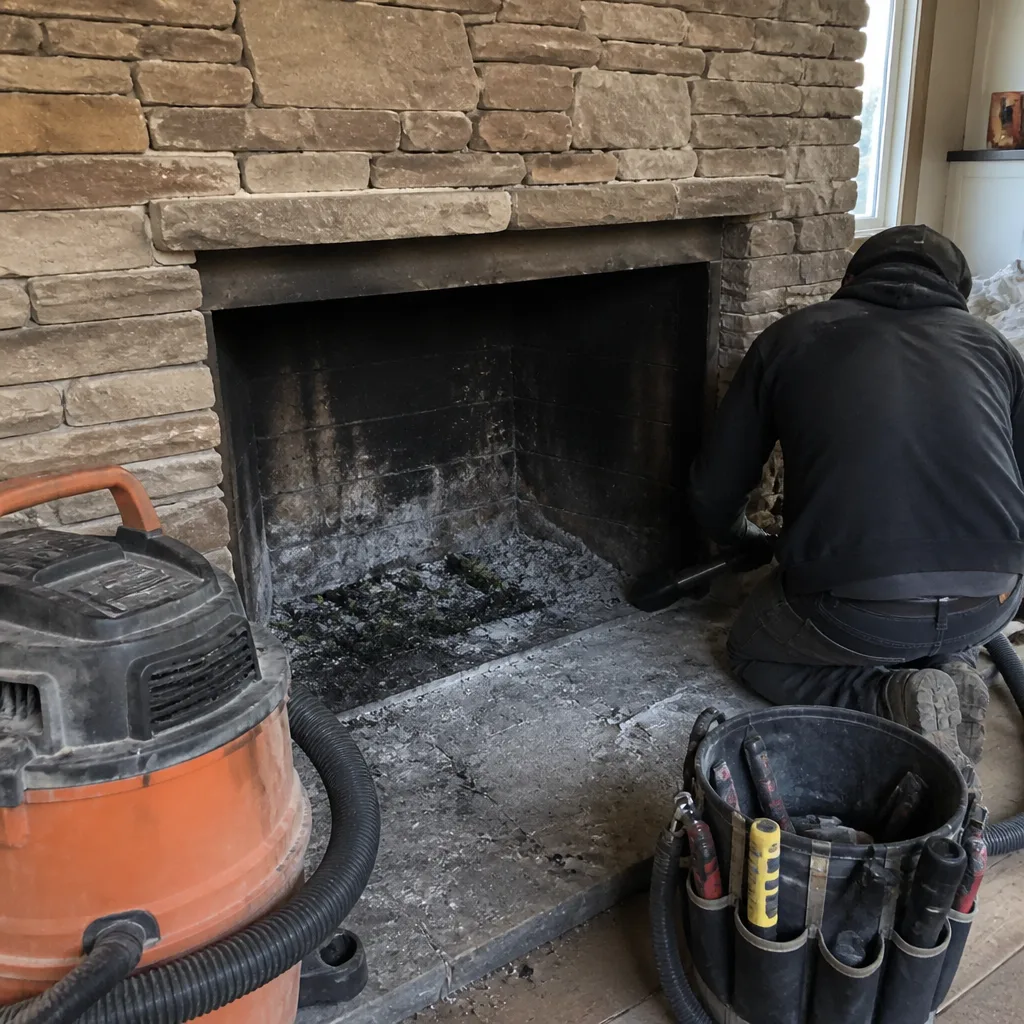 Before
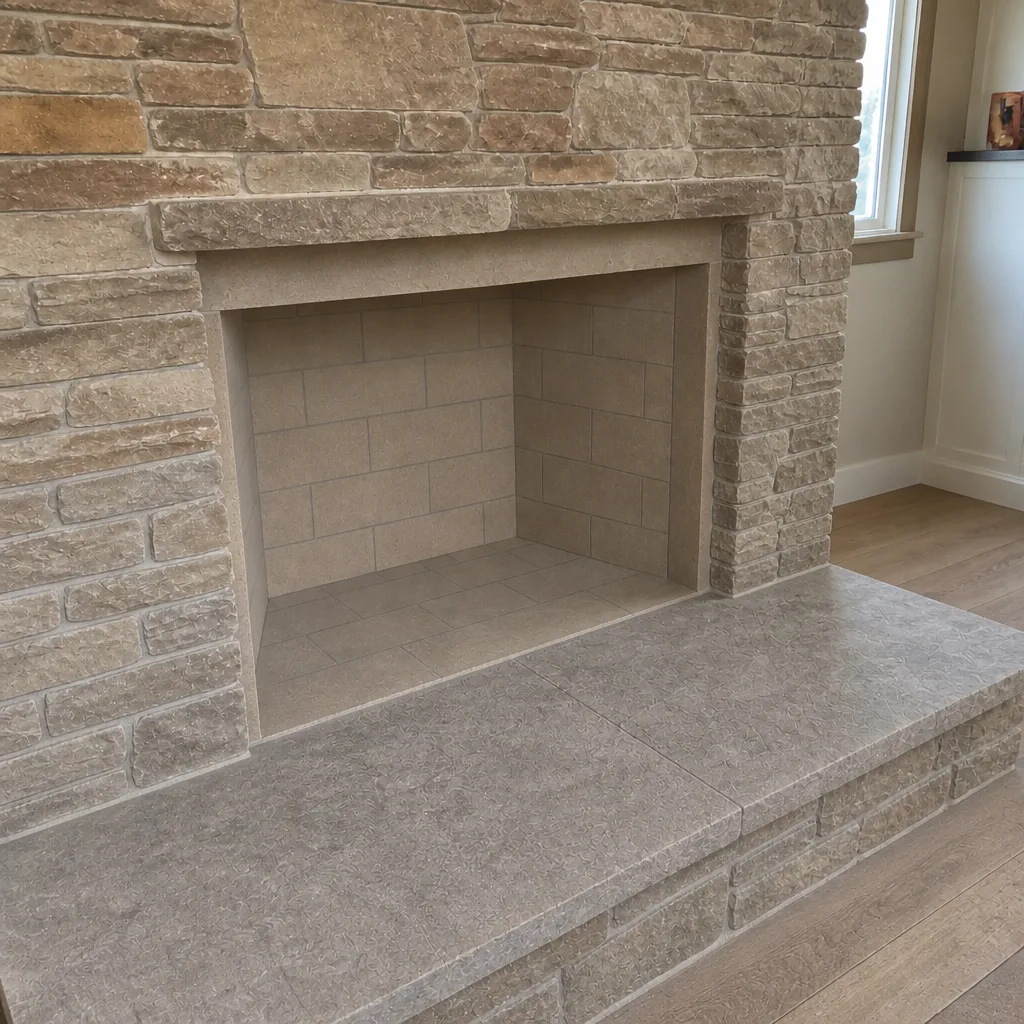 After