
Last updated November 24, 2026
 Sweep & inspection
 Caps & crowns
 Flue relining
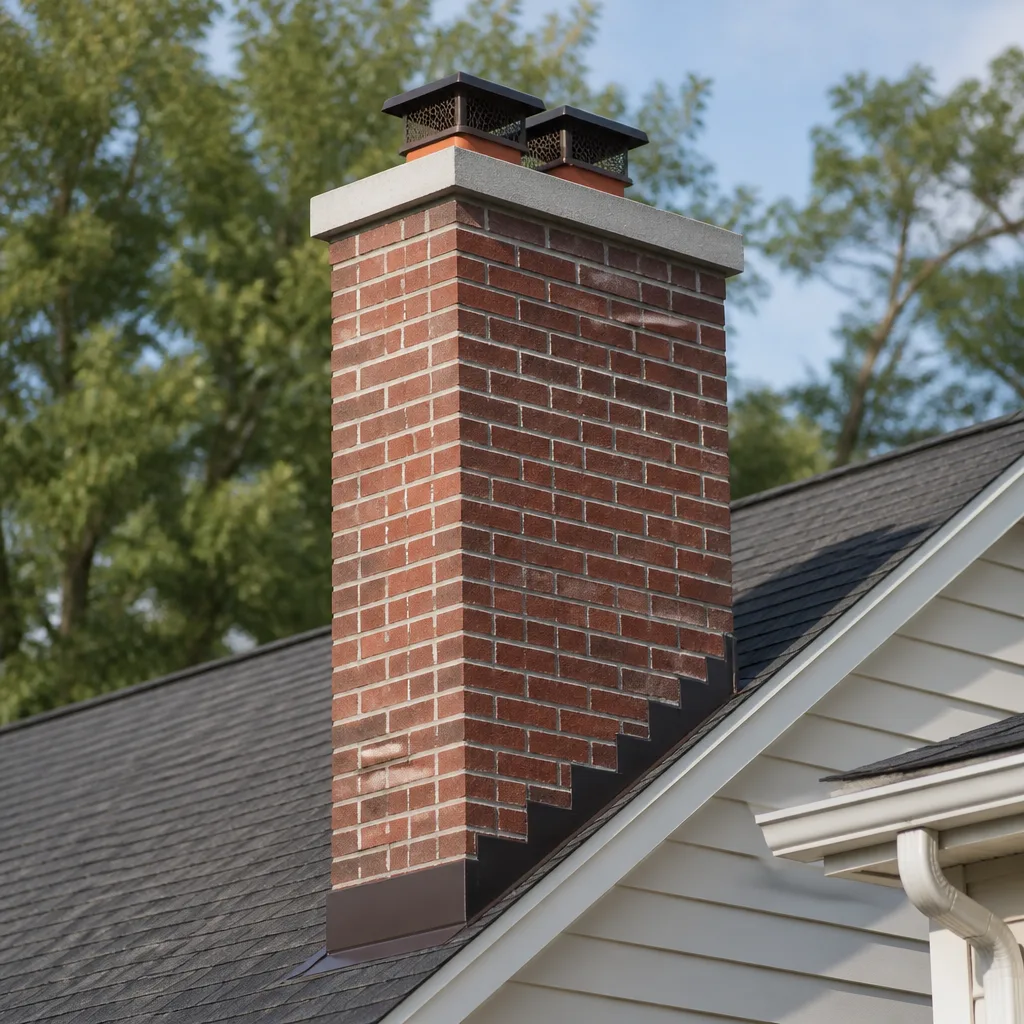 Masonry repair
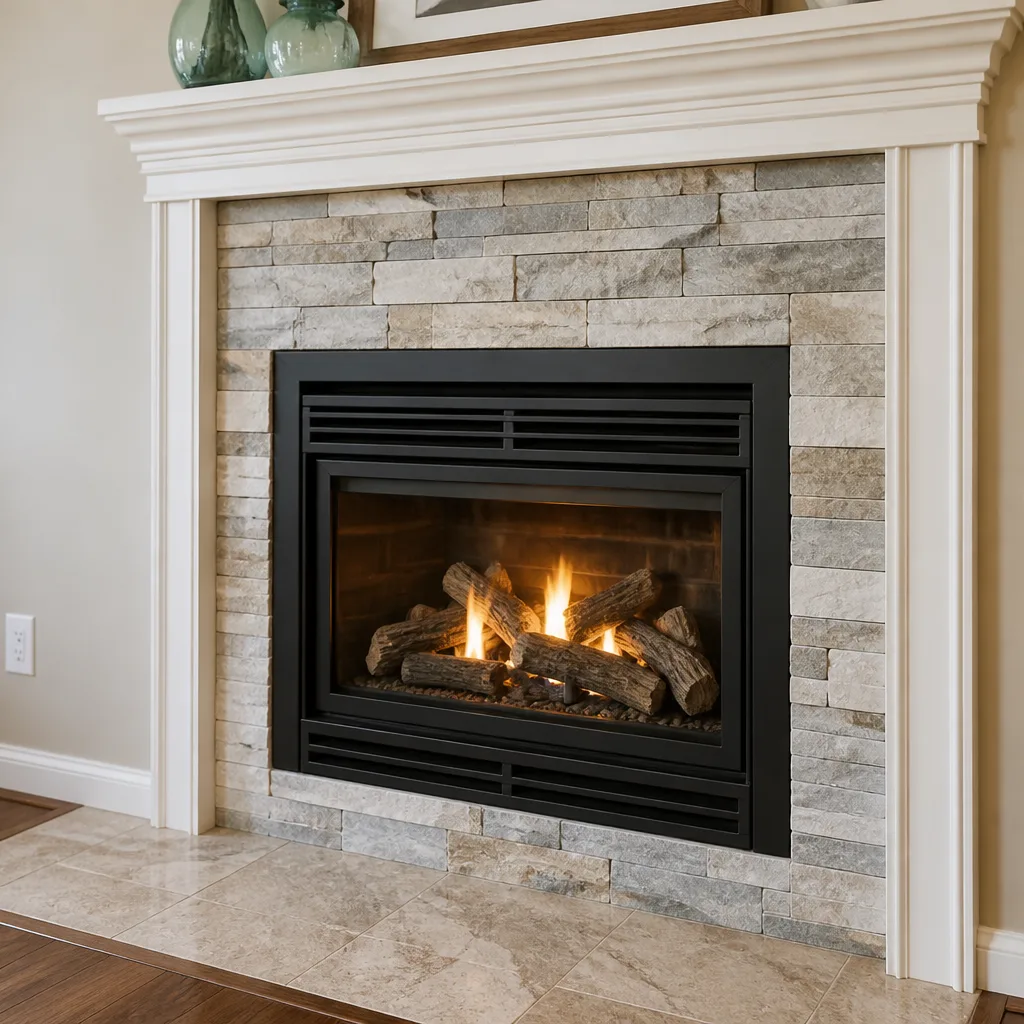 Gas fireplace service
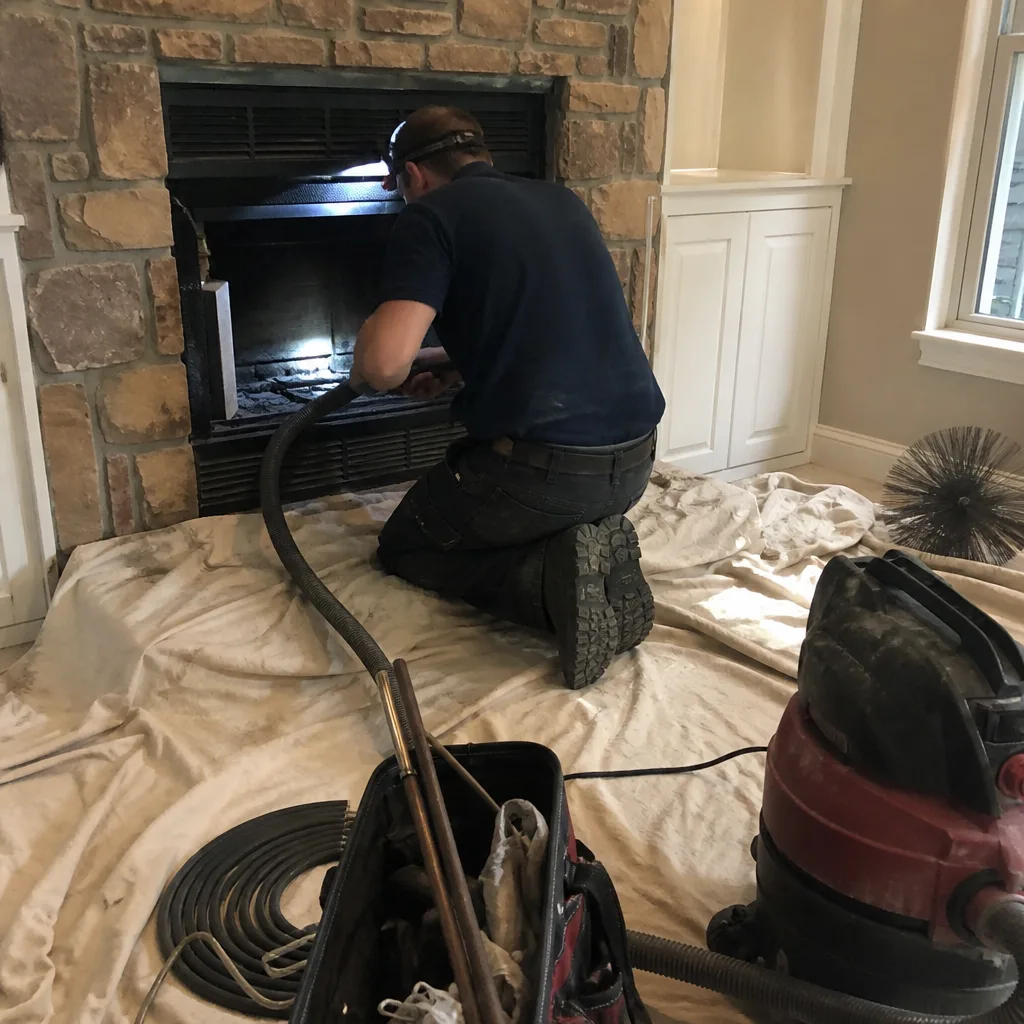
Level 1 sweep and inspection to the NFPA 211 annual standard - flue, crown, cap, and flashing checked and photographed
Chimney sweep logs do not sweep chimneys. They loosen some creosote - which then falls where a brush and vacuum still have to collect it.
Chimney Cleaning Permits, Codes & Inspections in Virginia-Highland, GA: What You Need to Know
Most homeowners in Virginia-Highland assume a chimney cleaning never touches a permit. For a basic sweep, that’s true. The confusion starts when the work shifts from cleaning to repair. The moment a flue liner gets replaced, a smoke chamber gets rebuilt, or a new appliance goes in, local and state code provisions apply whether anyone on the job mentions them. A liner swap done without the required permit can surface during a home sale and turn into a real negotiation problem. This guide walks through where the line sits between maintenance and permitted work in Virginia-Highland, what a proper inspection report looks like, and the questions that separate a professional from someone guessing.
Quick Answer
Routine chimney sweeping in Virginia-Highland generally does not require a permit. Structural work does. Liner replacement, smoke chamber reconstruction, and new appliance installation fall under residential building code provisions Georgia has adopted, and Atlanta enforces them through permitting and inspection. Visible exterior changes to a chimney in Virginia-Highland’s historic district overlay may also need design review on top of the building permit.
Styles & brands we work with
- Sweep & inspection
- Caps & crowns
- Flue relining
- Masonry repair
- Gas fireplace service
Table of Contents
- Where Maintenance Ends and Permitted Work Begins
- How Georgia’s Code Adoption Works for Chimney Work
- Why the Inspection Report Matters After a Chimney Fire
- The Virginia-Highland Historic Overlay and Exterior Chimney Changes
- What a Code-Compliant Inspection Actually Covers
- The Screening Questions That Separate Professionals from Fly-by-Nights
- How a Permitted Chimney Repair Usually Unfolds
Where Maintenance Ends and Permitted Work Begins
The honest answer most homeowners never hear: a chimney sweep who tells you “no permit needed” may be right about the sweep and wrong about everything after it. The distinction matters because the work type, not the contractor’s preference, decides whether a permit applies. In Virginia-Highland, that line sits exactly where it sits everywhere in Atlanta, because the same residential building code governs the work.
Maintenance-level work usually means cleaning the flue, removing creosote and soot, checking the cap, and confirming the damper operates. That work doesn’t alter the structure of the chimney, so it doesn’t trigger a permit. Repair-level work changes, replaces, or adds to the system, and that’s where the code kicks in.
- Permit-free (usually): sweeping, visual inspection, cap replacement on an existing flue, minor mortar touch-ups that don’t change the structure.
- Permit-required (usually): flue liner replacement, smoke chamber repair or reconstruction, crown rebuilds that alter the chimney top, new fireplace or insert installation, any change to the flue’s interior diameter or venting path.
- Ask your city’s building department: any repair where the chimney chase itself gets modified, or where the flue is resized. The department is the source of truth here, not the contractor’s read of the code.
For homeowners in Virginia-Highland who’ve had a chimney sweep done and heard “you need a new liner,” the next reasonable question is simple: does this work require a permit? If a contractor can’t answer that with confidence, that itself is information.
How Georgia’s Code Adoption Works for Chimney Work
Georgia adopts the International Residential Code (IRC) through the state’s building code framework, with local amendments adopted at the city and county level. Atlanta’s Residential Code Section R1001 governs chimney and venting provisions, and that section applies whether the contractor mentions it or not. It covers flue clearances, liner material requirements, termination heights, and the conditions under which a flue must be relined.
In practice, that means the code requirements for a Virginia-Highland home follow the same technical standard as anywhere else in Atlanta. The historic housing stock here – a lot of 1920s and 1930s masonry chimneys with original flue tile – creates its own set of conditions. When original flue tile fails, code requirements generally call for a listed liner system sized to the appliance and venting conditions.
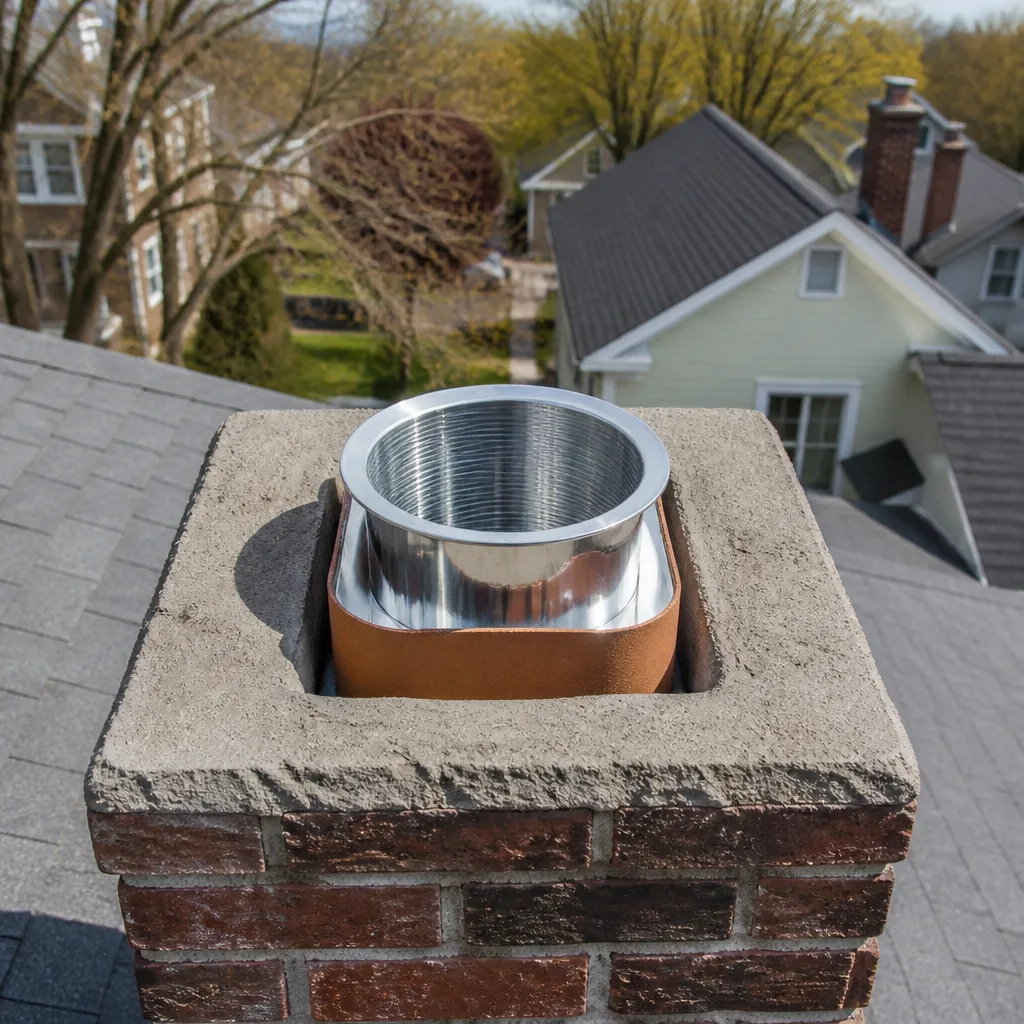
This is where the material question becomes a code question. Liner systems like DuraFlex and HeatShield are made to meet those requirements when installed to specification, which is one reason we work with them. A stainless liner system sized and installed to the manufacturer’s listing satisfies code. A “brush on and hope” liner or an undersized substitute does not, even if it looks fine from the top of the chimney.
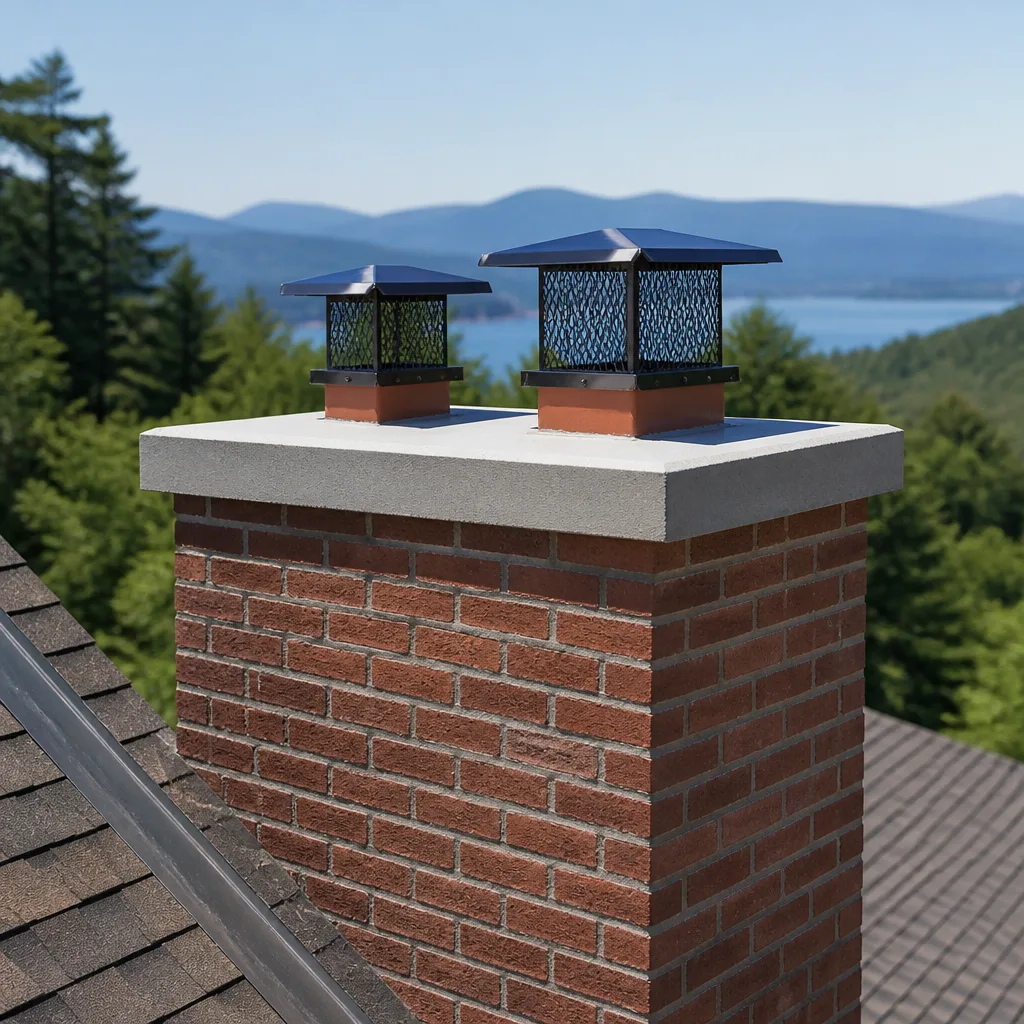
Chimney cap and crown rebuilds sit in a gray zone. A simple cap replacement usually doesn’t require a permit. A crown rebuild that changes the chimney’s top profile, or involves structural masonry repair at the chimney top, is typically permitted as a structural change. When in doubt, the building department decides. Our approach here is to know which category the job falls into before booking, not to argue about it after.
Why the Inspection Report Matters After a Chimney Fire
Homeowner’s insurance claims for chimney fires hinge on documentation. An insurer reviewing a claim needs a condition report that shows what happened, what failed, and what the current state of the flue is. A code-compliant inspection report delivers exactly that, in writing and in photographs.
Here’s the distinction that matters in Virginia-Highland: a chimney fire can occur and leave damage that doesn’t show on a basic visual check. Creosote ignition, cracked flue tile, and heat damage in the smoke chamber may only appear under a closer inspection with the right tools. An inspection that produces a written record with photographic evidence makes a claim defensible. A verbal “chimney looks okay” does not.
There’s a second insurance angle too. If permitted work is done without pulling the permit, an insurer has grounds to question the claim. Most homeowner policies assume the home was maintained and repaired to code. An unpermitted liner replacement in Virginia-Highland isn’t the insurer’s problem to solve in a claim – it becomes the homeowner’s.
We perform inspections as a standalone diagnostic service. For homeowners who want a written condition report without committing to repair work, the inspection stands on its own. The report describes what we found, what code requires, and what the realistic timeline is. When the chimney is safe to leave alone for another season, we say so.
The Virginia-Highland Historic Overlay and Exterior Chimney Changes
Virginia-Highland’s historic district overlay adds a layer that most homeowners don’t consider until they’re mid-project. A building permit for structural work is one thing. Visible exterior changes to a chimney – a new chimney cap that alters the silhouette, a crown that changes the profile, a rebuild that affects the exterior finish – may also trigger design review through the historic district process.
This is where Virginia-Highland differs from neighboring areas. The overlay isn’t designed to block repair work. It’s designed to ensure exterior changes land in a way that respects the neighborhood’s character. In practice, that means:
- Verify the design review requirement before ordering materials, not after. A chimney cap & crown replacement that changes the chimney top profile is more likely to need review than one that matches what was there.
- Match existing material and proportions where possible. Original masonry chimneys here often pair with specific cap styles. A cap that reads as “modern” on a 1930s masonry chimney tends to draw review comments.
- Ask the city before signing a contract. The building department and the historic preservation office are the sources for what applies to a specific property.
We stock multiple lines, including Famco and Copperfield, partly because matching a historic profile means picking the right product rather than adapting whatever’s on hand. The product has to fit the chimney, not the other way around.
What a Code-Compliant Inspection Actually Covers
An inspection report that qualifies for insurance documentation and permits coverage usually includes visual access to every component of the system. That means the firebox, damper, smoke shelf, smoke chamber, flue, crown, cap, and the exterior chase. Where direct access isn’t possible, the report should note what was inaccessible and why.
- Firebox and damper: condition of the firebox masonry, damper operation and seal, evidence of heat damage.
- Smoke shelf and smoke chamber: condition of the parging, evidence of cracking or gaps, which affects draft and code compliance.
- Flue interior: condition of the liner or tile, evidence of cracking, joint separation, and glaze or creosote buildup.
- Crown and cap: crown condition, cap fit and function, evidence of water intrusion.
- Exterior chase: mortar condition, spalling, and joint integrity – not super critical on every inspection, but worth documenting when visible from the ground.
- Documentation: photographs of every noted condition, a written description, and a realistic timeline for any needed work.
For homeowners who fire the chimney regularly, annual documentation builds a record over time. That record is what an insurer looks at years later, and it’s what shows a permit-inspected repair was done to standard. Inspections in Virginia-Highland are no different from the process everywhere else – the standard applies the same way – but the housing stock here means the report often surfaces more original-tile issues than newer neighborhoods would.
The Screening Questions That Separate Professionals from Fly-by-Nights
Asking a contractor a few questions about code compliance upfront is the fastest way to separate a professional from someone hoping you won’t ask. A chimney sweep who’s done the work can answer clearly and specifically. A fly-by-night will get vague and pivot to price.
- “Does this work require a permit, and will you pull it?” A professional knows the answer for the specific job and is willing to name it. If the answer is “we don’t bother with permits,” that’s your answer.
- “What code section governs this repair?” In Atlanta, chances are the contractor refers to the residential code. A professional doesn’t need to recite the section verbatim, but should know which framework governs the work.
- “Will the inspection report be in writing with photographs?” A verbal condition assessment is not a report. A written and photographed one is what an insurer needs.
- “What liner system are you using, and why?” A specific brand, a specific size, and a reason tied to the appliance and flue is the professional answer. “Whatever fits” is not.
- “Can I see what you’re seeing?” This is the trust question. A camera inspection shows the homeowner directly what’s inside the flue – nothing gets recommended that the homeowner can’t see for themselves.
- “What’s the timeline if I do nothing?” A professional can say when repair can safely wait. A fly-by-night pressures for immediate work.
- “What’s the written estimate?” Every price gets set by the written estimate, not a phone number. Ask for it.
For homeowners in Virginia-Highland with an older masonry chimney, these questions matter more than usual. The housing stock here has original flue tile and historic chimney profiles, which means the answer to “what does this job involve” has more nuance than in a newer suburb. A contractor who can walk through that nuance is a contractor who knows the system.
How a Permitted Chimney Repair Usually Unfolds
Knowing the process before signing makes the job less stressful. For liner replacement, smoke chamber repair, or a structural change at the chimney top in Virginia-Highland, the typical sequence looks like this.
- Inspection and written report. The technician inspects the system, documents conditions with photographs, and writes a report describing what’s found and what code requires.
- Written estimate. The estimate describes the work and the materials – a specific liner brand and size, for example – with the permit cost included or explained separately.
- Permit application. The contractor pulls the permit from the city’s building department. Design review, if applicable due to the historic overlay, runs alongside or before this step.
- Installation. The liner system or structural repair gets installed to the manufacturer’s listing and code requirements.
- Inspection. The city inspects the completed work, and the permit closes once it passes.
- Documentation for the homeowner. The final report, permit record, and photographs become part of the home’s maintenance file – what a future buyer or insurer will want to see.
None of those steps are unusual. What’s unusual is a homeowner finding out after the fact that steps three and five were skipped. Starting with the question “does this work require a permit” puts the right sequence in motion from the beginning.
Common Mistakes to Avoid
- Assuming no permit is needed for a liner replacement. A sweep isn’t a permit job, but a liner replacement almost always is. Skipping the permit for the liner because “the sweep didn’t need one” conflates two categories of work.
- Treating a verbal inspection as a report. Without photographs and a written condition summary, there’s nothing for an insurer to work with if a chimney fire claim happens later.
- Ordering a cap before design review. In Virginia-Highland’s historic district overlay, a new cap that changes the chimney’s visible profile may need review. Confirm before ordering.
- Using a general contractor for liner work. Liner systems like HeatShield and DuraFlex require specific training and product knowledge. A generalist with a torch and a brush isn’t installing to the manufacturer’s listing.
- Skipping the written estimate. Getting a verbal quote on a repair that will be permitted and inspected leaves no record of what was promised. The written estimate sets the final price.
- Assuming an insurer will sort it out afterward. Unpermitted work can complicate a claim. The permit is part of the safety record, not just a piece of paper.
- Leaving the smoke chamber out. Liner replacement alone doesn’t restore the smoke chamber. A code-compliant repair often addresses both, and skipping one leaves the system incomplete.
See the difference
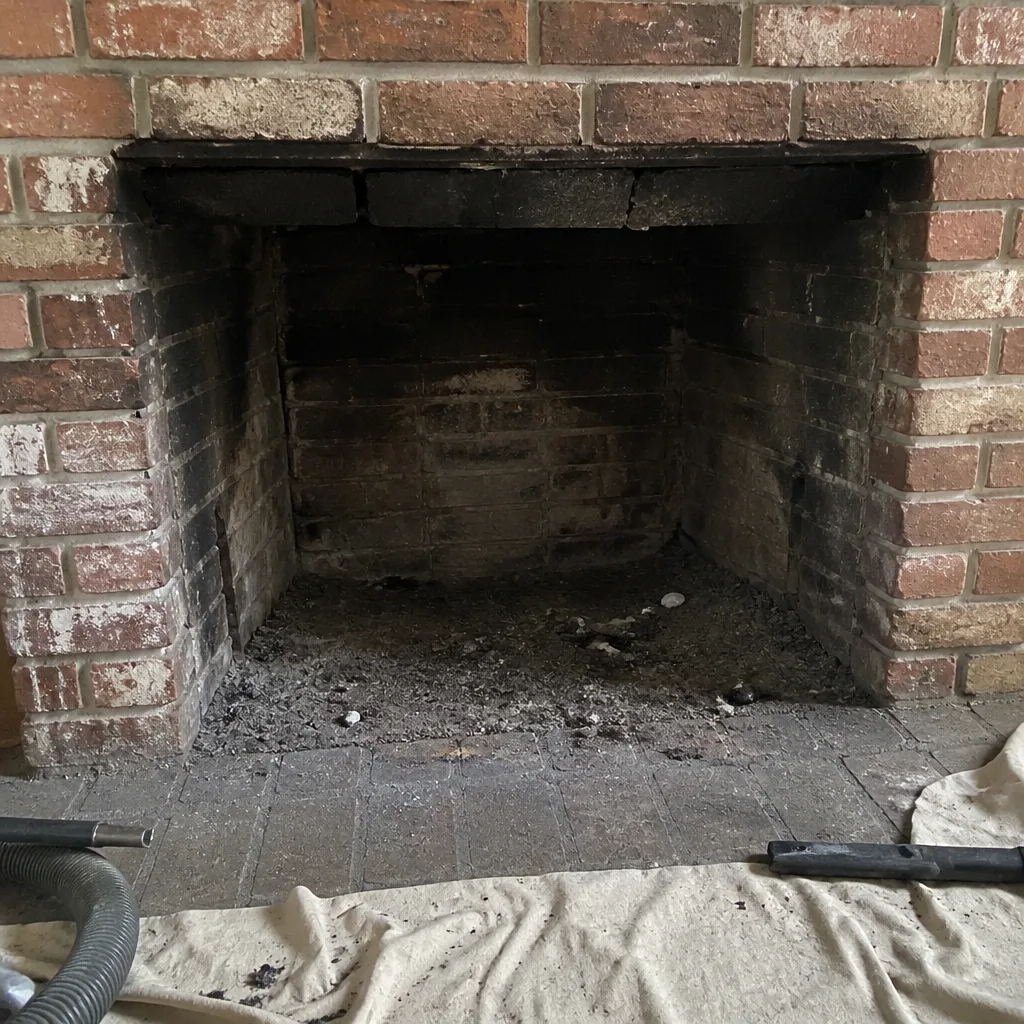 Before
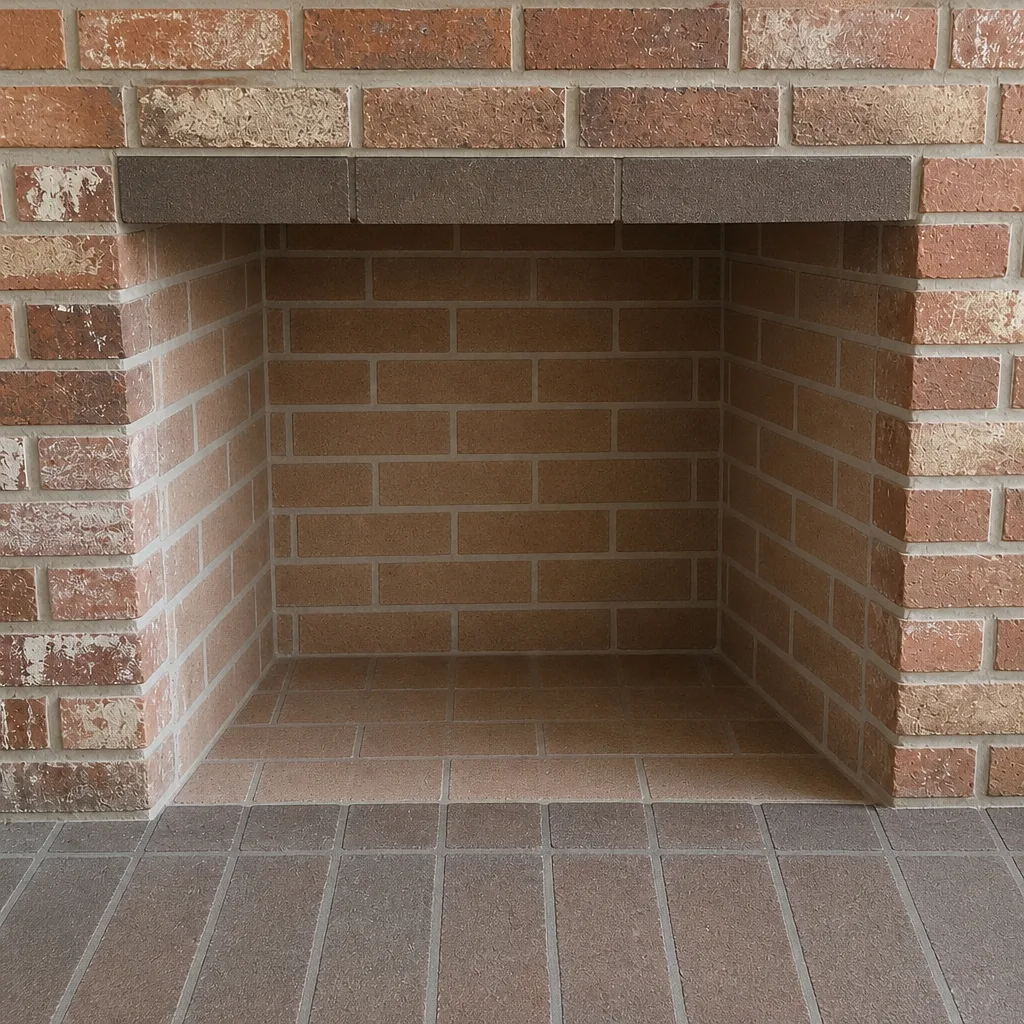 After
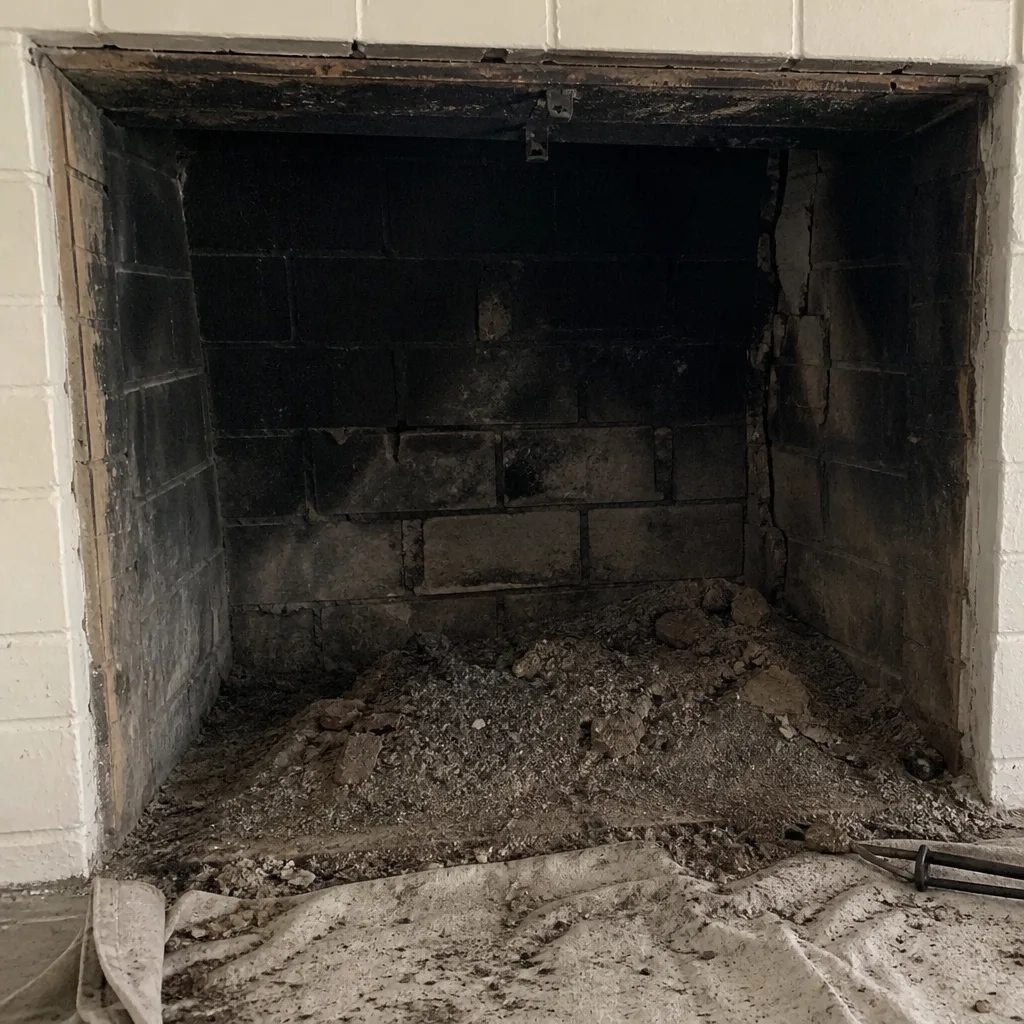 Before
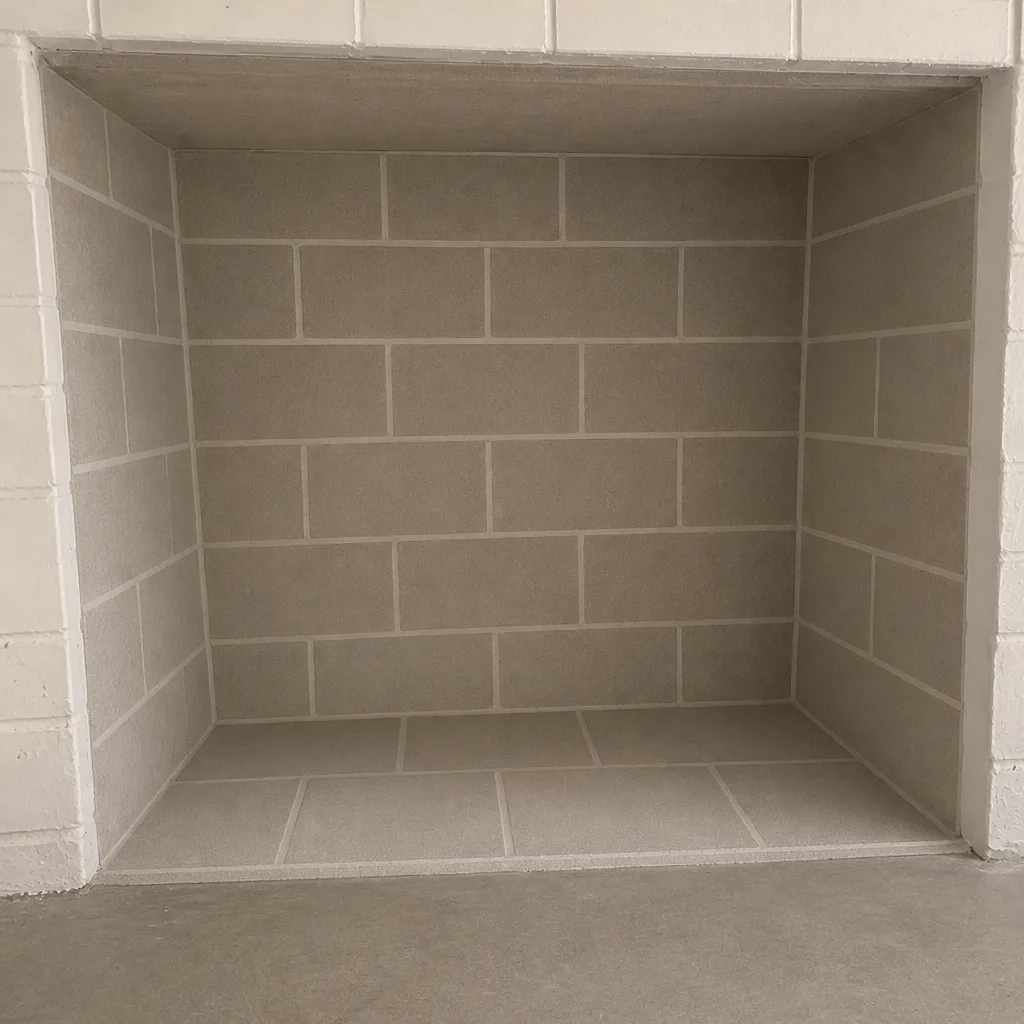 After
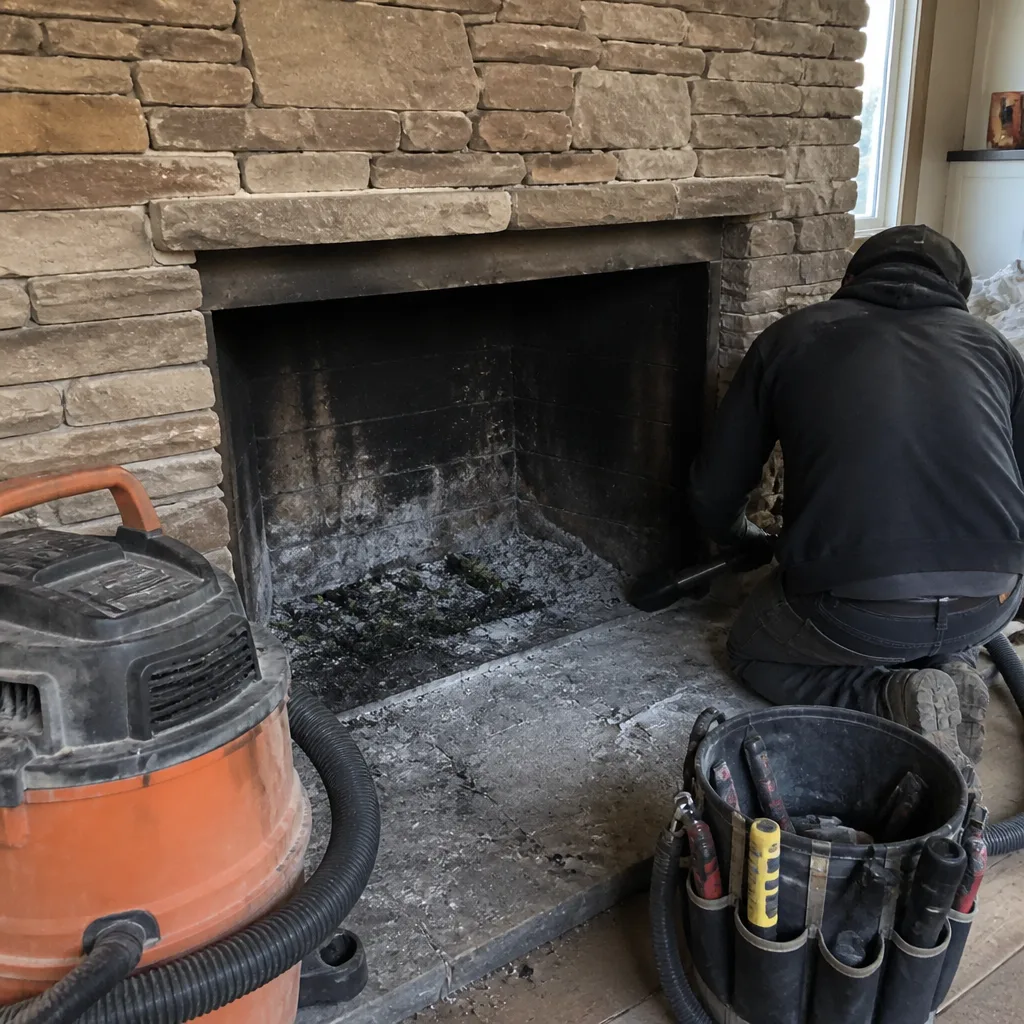 Before
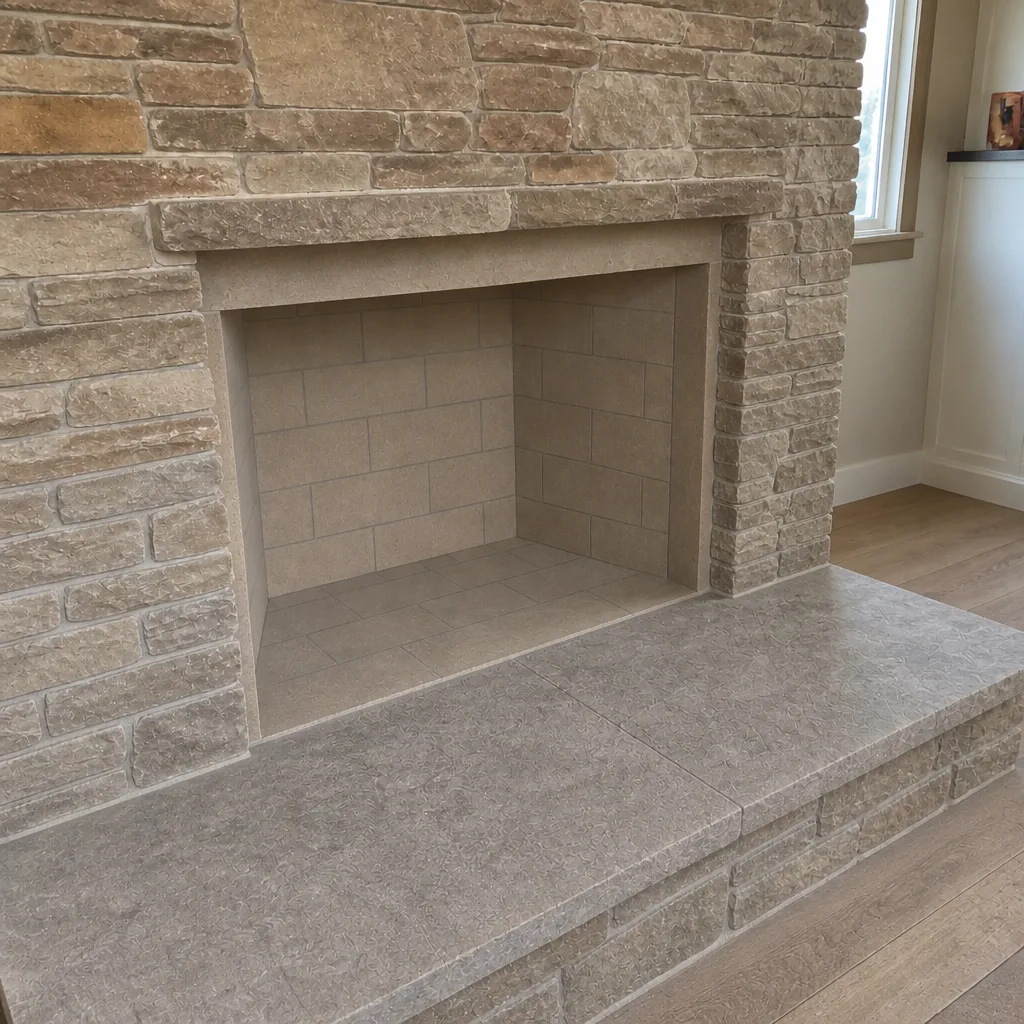 After
When to Call a Professional
Some signs warrant a call rather than a wait. A damaged liner, a cracked crown, a chimney cap that’s been displaced by wind, or evidence of creosote glaze all deserve a professional look. In Virginia-Highland, the older masonry chimneys make these signs worth checking sooner rather than later, since original flue tile tends to crack rather than flex. If you’ve had a chimney fire – a sound like a low roar or a train, a shower of dark debris from the top – call for an inspection before the next burn. Signs of moisture intrusion around the firebox or rust on the damper are also worth prompt attention.
Chimney Sweep Virginia-Highland offers free estimates in Virginia-Highland – call (877) 492-4448.
Frequently Asked Questions
No. Routine chimney cleaning in Virginia-Highland does not require a permit, because sweeping doesn’t alter the structure of the chimney. Permits apply to repair and structural work – liner replacement, smoke chamber reconstruction, and new appliance installation are the common examples. Call (877) 492-4448 for an exact quote – estimates are free.
Chimney repairs that change or replace a structural component of the chimney usually require a permit. Liner replacement, smoke chamber repair, crown rebuilds that alter the chimney top, and new fireplace or insert installations are the standout cases. The city’s building department is the final authority, so ask before the work is booked.
Generally yes. A liner replacement changes the flue’s interior system, and that falls under residential building code provisions Georgia has adopted, including flue clearance and material requirements. The permit covers the installation and the city inspection that follows. Call (877) 492-4448 for an exact quote – estimates are free.
It can. The historic district overlay can add a design review step to visible exterior changes, particularly a new cap or a crown rebuild that changes the chimney’s top profile. Structural repair inside the chimney usually isn’t affected. Confirm with the city before ordering materials for a visible change.
You need it if you ever file a chimney fire claim. An insurer reviewing a chimney fire needs documentation of the pre-existing condition, and a written report with photographs provides that record. Without it, the claim depends on what can be verified after the fact. Call (877) 492-4448 for an exact quote – estimates are free.
Annual inspection is the general standard for chimneys that see regular fires, alongside an annual sweep. Homes with an older masonry chimney – a common pattern in Virginia-Highland – often benefit from photographing the flue annually so that gradual changes become visible. Call (877) 492-4448 for an exact quote – estimates are free.
The Bottom Line
Chimney cleaning and permitted chimney repair are two different categories of work, and Virginia-Highland homeowners are best served by knowing where the line sits. Sweeping doesn’t require a permit. Liner replacement, smoke chamber repair, crown rebuilds that change the chimney top, and new appliance installation do. The historic district overlay can add design review to visible exterior changes. A written inspection report with photographs is the documentation that holds up in an insurance claim and during a future home sale. And the fastest way to know whether a contractor understands all of this is to ask one direct question about permit requirements – the answer itself tells you what kind of professional you’re talking to.
For Virginia-Highland homeowners dealing with an older chimney, a recent inspection finding, or a repair decision that needs to be made properly with the permit in place, we’re ready to help. We use the same materials chimney professionals specify by name – DuraFlex for liner systems, HeatShield for smoke chamber resurfacing, Copperfield and Famco for caps and crowns – because the product matters as much as the labor. One call covers it: sweep, inspect, repair, reline, or cap. Our technicians have up to 9 years of experience, and we perform inspections as a standalone service so the report reflects what’s actually there. For fireplace repair or structural work, the process starts with the inspection and the written estimate.
Call (877) 492-4448 for a free estimate. We answer 24/7. Fast dispatch from 7am to 7pm, Sunday through Friday. See our full chimney services on the Chimney Sweep Virginia-Highland home page.
Written by the team at Chimney Sweep Virginia-Highland.