
Last updated November 24, 2026
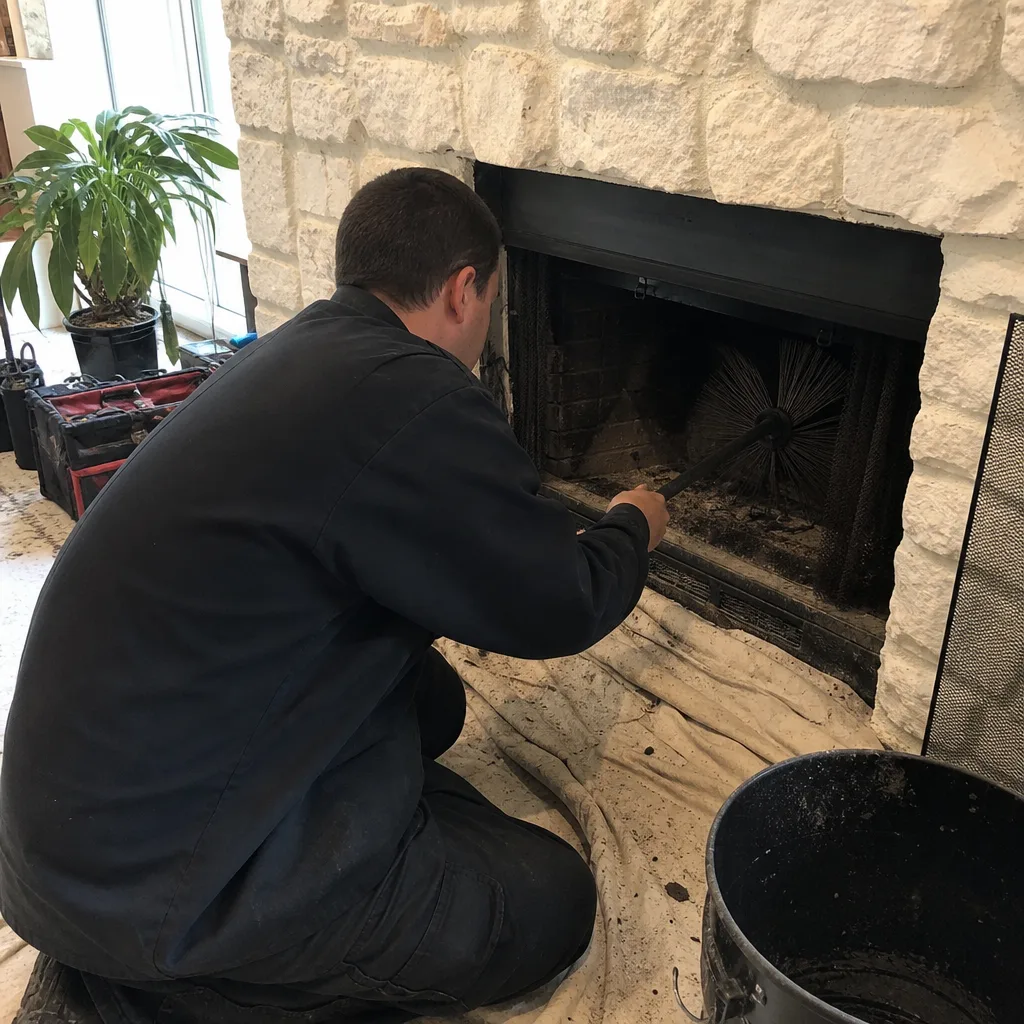
 Sweep & inspection
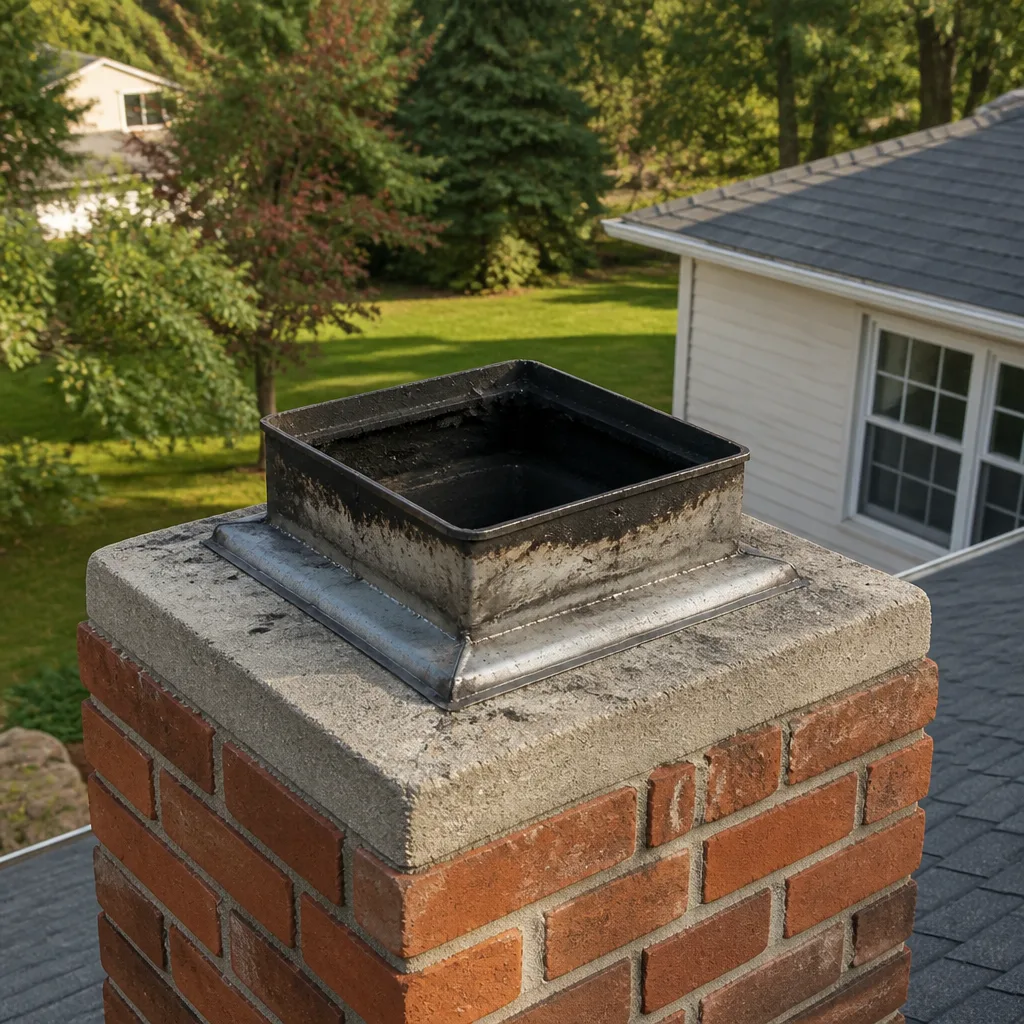
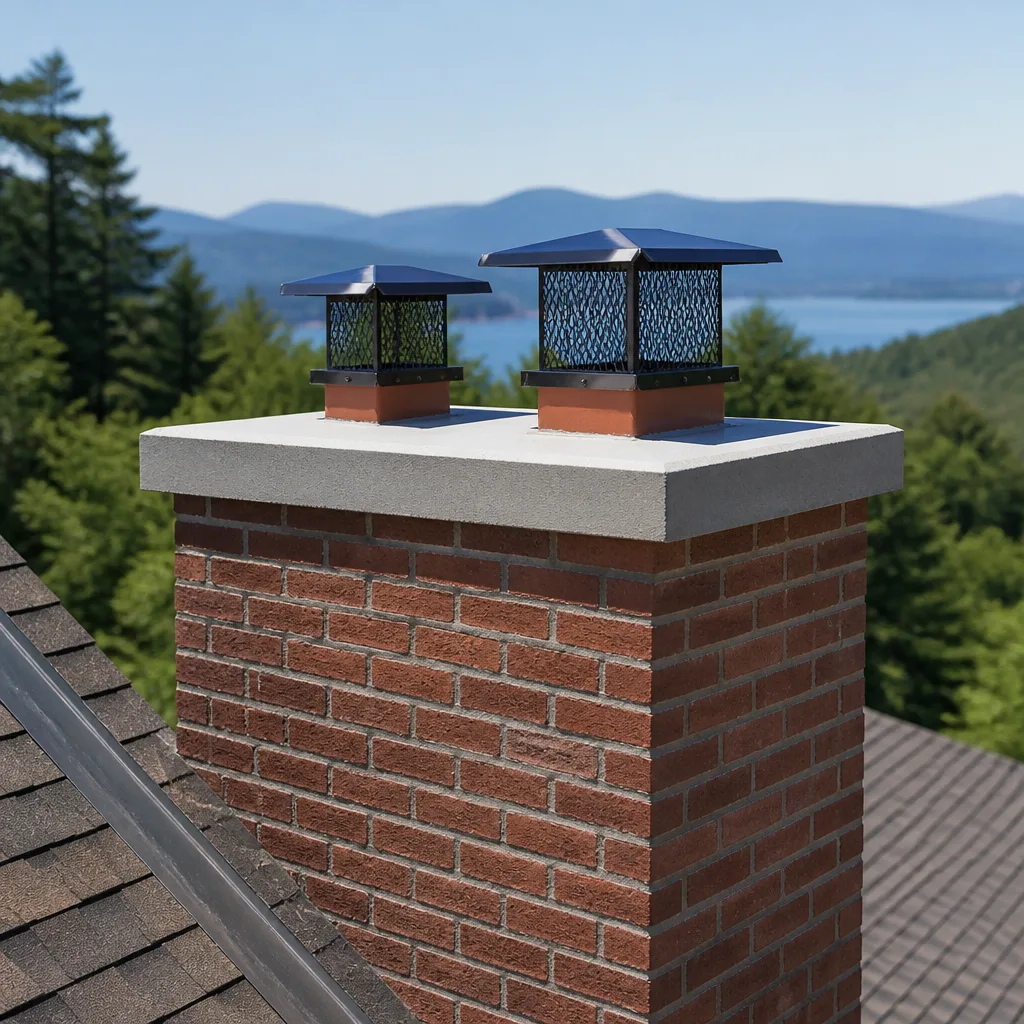 Caps & crowns
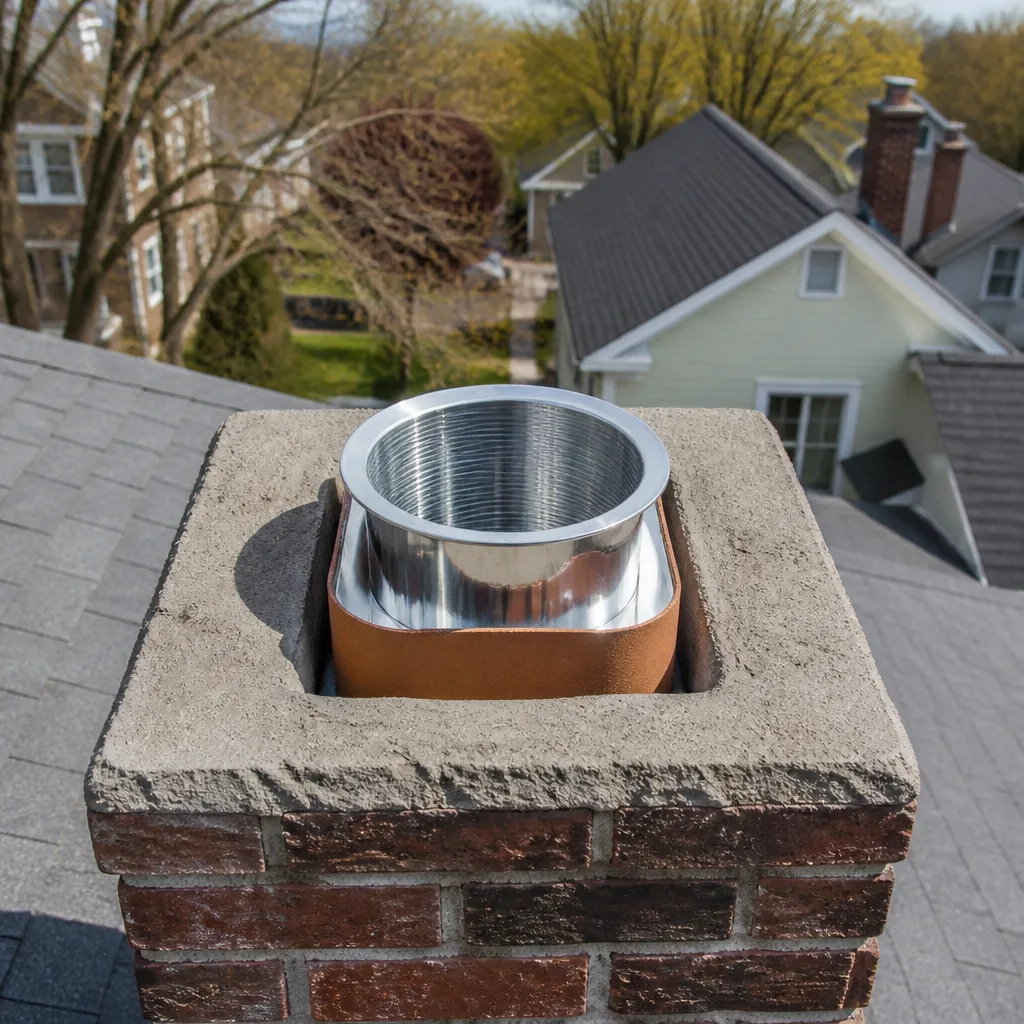 Flue relining
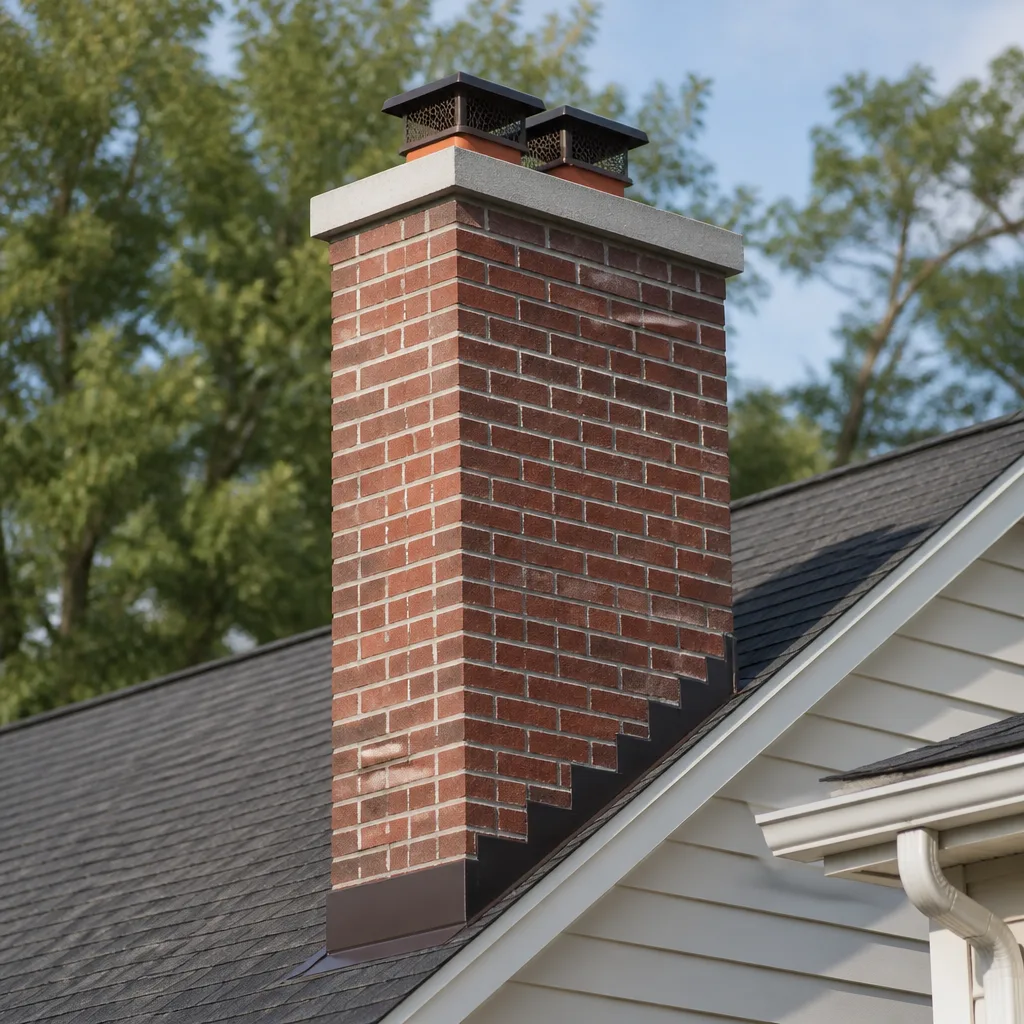 Masonry repair
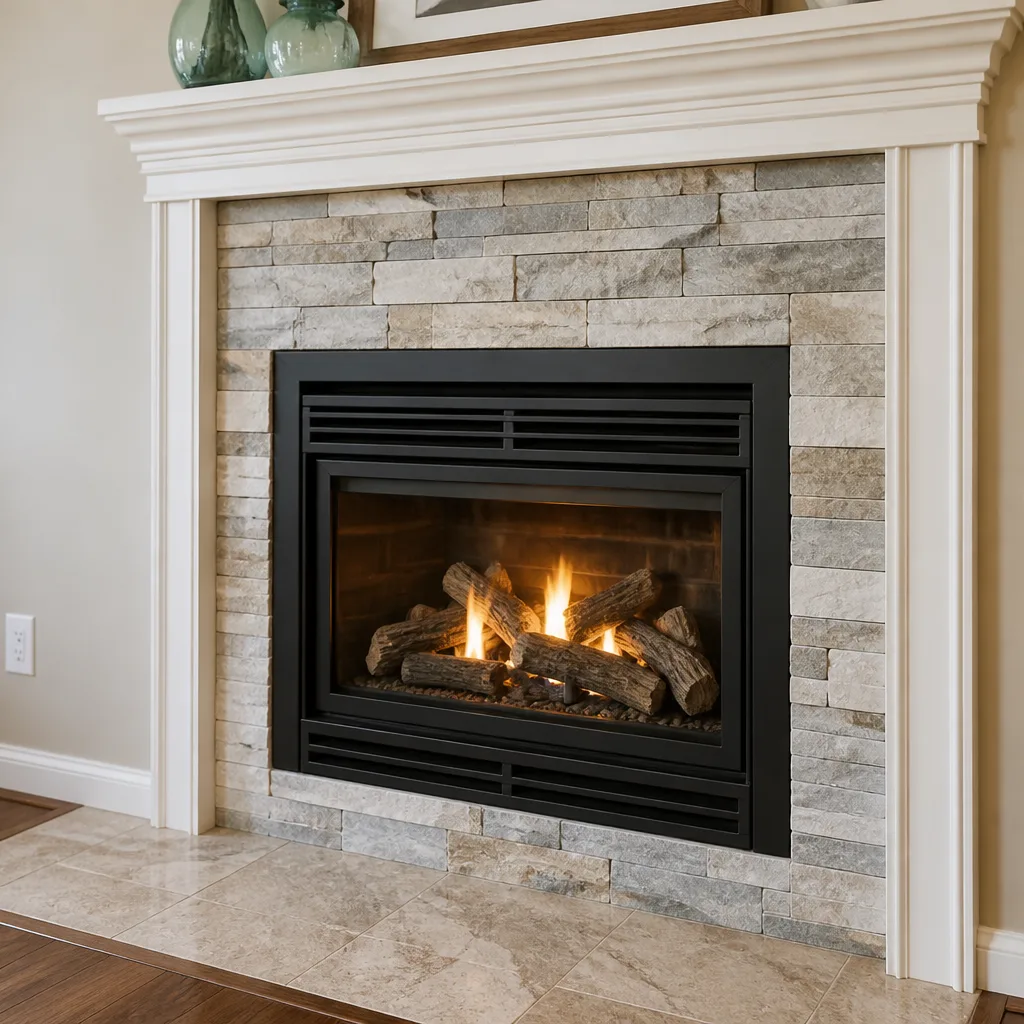 Gas fireplace service
Level 1 sweep and inspection to the NFPA 211 annual standard - flue, crown, cap, and flashing checked and photographed
Chimney sweep logs do not sweep chimneys. They loosen some creosote - which then falls where a brush and vacuum still have to collect it.
How to Hire a Chimney Cleaning Contractor in Virginia-Highland: A Step-by-Step Guide
A CSIA card tells you someone passed a test. It doesn’t tell you whether they’ve ever rebuilt a smoke chamber, resurfaced a cracked clay liner, or sourced a cap that actually fits the odd flue dimensions of a 1920s bungalow. That gap between “certified to sweep” and “trained to diagnose” is where most Virginia-Highland homeowners get stuck, because the market is full of sweep-only crews who can clean a flue and can’t tell you what’s wrong with it. This guide walks through the screening questions, the estimate details, and the insurance verifications that separate a real chimney contractor from a van with a brush. You’ll finish knowing exactly what to ask before anyone steps on your roof.
Quick Answer
Hire a chimney contractor in Virginia-Highland by screening for three things in order: full-system capability (can they diagnose liners, crowns, and smoke chambers, not just sweep ash), professional-grade materials specified by brand on a written estimate, and general liability insurance that covers structural chimney work. Ask for a written estimate that names the scope, the products, and the liner specifications before you book. A written inspection report you can read yourself, with photographic or camera evidence, should come before any repair recommendation.
Styles & brands we work with
- Sweep & inspection
- Caps & crowns
- Flue relining
- Masonry repair
- Gas fireplace service
Table of Contents
- Why Virginia-Highland Chimneys Need a Different Kind of Contractor
- The Interview Questions That Separate Specialists from Sweep-Only Crews
- What a Legitimate Written Estimate Should Include
- Why the Cheapest Quote Usually Misses Something Structural
- How to Verify Insurance for Chimney Work on Attached Homes
- Professional-Grade Materials vs. Big-Box Supply
- The Step-by-Step Hiring Process
- How to Verify the Work Before You Pay
Why Virginia-Highland Chimneys Need a Different Kind of Contractor
The housing stock along the Virginia-Highland streets tells you almost everything about what a chimney contractor will find up there. Bungalows from the 1920s and 1930s. Brick four-squares with original masonry fireplaces. Attached rowhouses where the chimney stack is shared or closely abutted to a neighbor’s. None of that is unusual for intown Atlanta, and none of it responds well to a sweep who works only on newer construction.
Older intown masonry chimneys share a set of predictable conditions. The clay flue tiles are original, and many are spalled or cracked from decades of heating and cooling cycles. The mortar crowns have weathered into a porous surface that lets water in every time it rains. The smoke chambers behind the damper were built to shapes and dimensions that a modern sweep may never have seen. And the dampers are often the original cast-iron type, which is worth knowing about before anyone tells you the fireplace is “unusable.”
Atlanta’s humid summers and occasional hard freezes matter here. Masonry that stays damp through July and then freezes in a January cold snap spalls faster than masonry in a drier climate. Water intrusion through a cracked crown or a missing cap is the single most common driver of chimney damage we see in Virginia-Highland, and it’s also the most preventable.
What this means for hiring: you need someone who can look at a 1930s chimney and tell you what’s original, what’s been patched, and what actually needs intervention this year. A crew that specializes only in sweeping will clean the flue, hand you a receipt, and never mention the crown. A contractor with structural knowledge will. If you’re not sure where to start, a standalone Chimney Sweep Virginia-Highland inspection is a reasonable first step before you commit to any cleaning or repair work.
The Interview Questions That Separate Specialists from Sweep-Only Crews
Anyone can tell you they clean chimneys. The screening happens when you ask about liners, chambers, and materials. Here are the questions worth asking on the phone, before you book.
- “What liner systems do you work with, and what do you use for resurfacing?” A sweep-only crew will say “we just clean.” A contractor will name specific systems: HeatShield for resurfacing cracked clay tile, or a stainless liner system from a maker like Olympia Chimney or DuraFlex for a full reline. If the answer is vague, that’s the answer.
- “Have you rebuilt a smoke chamber?” The smoke chamber is the tapered cavity above the damper that funnels smoke into the flue. It’s one of the most commonly overlooked parts of an older chimney, and rebuilding or parging it is skilled work. If the contractor has never done it, they can’t tell you whether yours needs it.
- “What do you do when the crown is cracked?” A good answer describes the options: crown repair with a resurfacing product, a full crown rebuild, or a crown coat, depending on the condition. A weak answer is “we’d have to refer that out.”
- “What cap brands do you install?” Multi-brand access matters because flue dimensions vary. A contractor who works with Gelco, Famco, or Copperfield can fit the cap to the chimney rather than forcing one size.
- “Is the inspection a separate service, or only bundled with a cleaning?” You want the option to buy a diagnostic inspection on its own, without being pushed into a cleaning you may not need yet.
- “Can you show me the camera footage or photos from the inspection?” The right answer is yes. The wrong answer is a verbal description only.
- “What’s your general liability coverage, and can you send a certificate?” More on that below.
You’re not grilling anyone. You’re finding out whether the person on the phone can actually answer questions about chimney systems, because that tells you what they’ll know when they’re standing on your roof. A contractor who answers these comfortably is usually the one worth booking. If you’re specifically looking at cap and crown work, the same screening applies to chimney cap & crown estimates as to a sweep.
What a Legitimate Written Estimate Should Include
A written estimate for chimney work should read like a scope of work, not a price on a napkin. Here’s what belongs in it.
- Scope, in plain language. What’s being cleaned, repaired, or replaced, and how much of it. “Sweep flue” is not a scope. “Sweep the main flue serving the living room fireplace, including the smoke shelf” is.
- Materials named by brand and product. If a crown is being rebuilt, what product? If a liner is being resurfaced, is it HeatShield, and which formulation? If a cap is being installed, which brand and model?
- Liner specifications, if relining. The liner type (stainless, insulated, etc.), the diameter, and the length. These determine whether the liner will perform properly with your appliance.
- What’s not included. A legitimate estimate tells you what it isn’t covering, whether that’s masonry rebuild above the roof line, firebox repair, or a crown that turns out to be worse than expected.
- Separate line items for inspection and repair. Inspection should be priced as its own line, so you can see what you’re paying for the diagnostic versus the work.
- Payment terms and a start date. When the work begins, how long it’s expected to take, and when payment is due.
Red flags: an estimate over the phone without an inspection, a lump-sum price with no scope breakdown, a “while we’re up there” recommendation with no photographic evidence, or a contractor who won’t put the material brand on paper. Any one of those is reason to slow down and ask more questions. Every sentence of a real estimate should be verifiable against what’s actually on your chimney.
Why the Cheapest Quote Usually Misses Something Structural
The lowest quote on a Virginia-Highland chimney job is almost always from a crew that will clean what they can see and leave the structural problems alone. That’s not a knock on the individual sweepers; it’s a description of what a sweep-only business is set up to do. They’re not equipped to diagnose what’s behind the flue tile, and they’re not quoting for it, so their price reflects only the surface work.
What that looks like in practice: the sweep cleans the flue, tells you everything looks fine, and you find out six months later that the crown has been absorbing water and the masonry behind it is starting to move. Or the smoke chamber was parged badly years ago and smoke rolls out of the firebox every time you light a fire – something that never shows up on a cleaning receipt.
You’re not looking for the most expensive quote, either. You’re looking for the quote that has looked at the whole system and priced what actually needs doing. A fair estimate from a full-service contractor may be higher than a sweep-only crew’s number, but it will usually be lower than two separate visits (one to sweep, one to repair) and far lower than an emergency rebuild because the crown failed.
In our experience, the conversation that saves the most money over time is the one where the contractor tells you what can safely wait. Not everything needs doing right now. A chimney with a sound liner, an intact crown, and a working cap may only need a sweep this year. The honest answer is worth paying for, even if it’s less work than you expected. For firebox and damper issues specifically, a dedicated fireplace repair visit can address things a sweep would walk right past.
How to Verify Insurance for Chimney Work on Attached Homes
Rooftop and masonry work carries real exposure, and Virginia-Highland’s attached rowhouses and tightly spaced bungalows raise the stakes. If something goes wrong – a dropped tool, a damaged cap that leaks into a neighbor’s chimney, a fire caused by a botched liner install – you want the contractor’s insurance on the hook, not yours.
What to actually verify, in order:
- Ask for a certificate of insurance before the work starts. Any legitimate contractor can send one. The certificate names the policy’s coverage types and limits, and lists the insurance carrier.
- Check that general liability is on the certificate. This is the coverage that responds if the contractor damages your home or a neighbor’s during the job. On a shared or closely abutted chimney, this is the coverage that matters most.
- Check workers’ compensation coverage. If a worker is injured on your property, workers’ comp is what stands between you and a claim. On a solo-operator job with no employees, this may not apply, but the contractor should be able to explain that clearly.
- Call the carrier if something looks off. The number is usually printed on the certificate. A quick call confirms the policy is active and matches what you were shown.
- Ask whether the policy covers the type of work being done. Masonry, roof access, and chimney liner work should all be within the scope of the contractor’s coverage. If the contractor isn’t sure, that’s a problem.
Don’t accept a verbal “we’re insured.” The certificate is the standard proof, and asking for it doesn’t offend anyone worth hiring. On an intown Virginia-Highland property where a chimney repair could touch a shared wall, verifying coverage is the single most protective step you can take.
Professional-Grade Materials vs. Big-Box Supply
The materials a contractor uses tell you almost as much as the estimate. A crown poured from a bag of generic mortar at a big-box store and a crown built with a purpose-made crown mix are not the same product, and they won’t age the same way. Same with liners and caps.
What professional-grade looks like in chimney work:
- Liner resurfacing with HeatShield. HeatShield is the industry’s go-to system for restoring cracked clay flue tiles without tearing out the chimney. Applying it correctly requires specific training and product knowledge; it’s not a product a general handyman picks up at a hardware store. When a contractor uses HeatShield, they’re restoring the existing tile rather than patching around it.
- Full reline with a stainless system from a maker like Olympia Chimney or DuraFlex. These are the liner products certified chimney professionals specify by name when the existing flue can’t be resurfaced and needs a full replacement liner.
- Caps and crowns sourced from Gelco, Famco, or Copperfield. Multiple brands mean the cap can be spec’d to fit your flue configuration rather than forced onto it. On a Virginia-Highland bungalow with a nonstandard flue, that matters.
Big-box supply isn’t always wrong, but it’s a signal. When a contractor is vague about brands, it’s often because the products came off a shelf and not from a professional supplier. Ask the question directly: “What brand of cap are you installing, and what product are you using for the crown?” The answer should be specific. It’s also worth comparing what a generalist handyman can offer against a specialist: our team works with the same materials chimney professionals specify by name – DuraFlex, HeatShield, Copperfield, Gelco, Olympia Chimney, and Famco – because the product matters as much as the labor.
The Step-by-Step Hiring Process
Here’s the sequence that keeps you from getting stuck with the wrong contractor. It works for a routine chimney sweep as well as for a full structural repair.
- Book a standalone inspection first. Before you agree to a sweep or a repair, get a diagnostic inspection. The goal is a condition report, not a sales pitch. In Virginia-Highland, many older chimneys need an inspection before anyone can say whether a sweep, a reline, or nothing at all is the right next step.
- Review the report with the camera evidence. A legitimate inspection includes photos or video of the flue interior, the crown, the cap, the firebox, and the smoke chamber. You should be able to read the report yourself and match what’s on it to the footage you’ve been shown.
- Request a written estimate for any recommended work. The estimate should follow the structure above: scope, materials by brand, liner specs, what’s not included.
- Get a second quote for anything over your comfort threshold. Not because the first contractor is wrong, but because comparing two written scopes tells you which one reflects the actual condition of your chimney.
- Verify the insurance certificate before scheduling. Confirm general liability and workers’ comp as described above.
- Confirm what happens on the day of work. Who’s coming, roughly how long, whether roof access requires any prep on your end, and what the cleanup expectation is. Ask who to call if something goes wrong during the job.
- Keep the report and estimate on file. The next contractor you call will be able to see what’s already been done, which saves you paying for the same diagnostics twice.
Two extra steps for Virginia-Highland specifically: if you’re in an attached rowhouse, confirm whether the contractor has worked on shared chimney stacks, since the access and liability are different from a detached home. And if your home is in a historic district, check with the city’s building department about any exterior alteration requirements before you agree to cap or crown work that changes the roofline appearance. Most cities require a permit for structural chimney work, so ask your city’s building department what applies to your project before work is scheduled.
How to Verify the Work Before You Pay
The final step is the one most homeowners skip. Before you sign off that the job is complete, walk through the finished work with the contractor.
- Look at the components that were replaced. If a cap was installed, look at how it’s seated on the crown. If a crown was rebuilt, check that it slopes away from the flue rather than pooling water around it.
- Ask for the post-work photos. Any reputable contractor will have photos of the finished liner, crown, or cap. Match them to the estimate.
- Run a test fire if the work involved the firebox or flue. Light a small fire, watch how the smoke draws, and note anything that seems off. A properly restored system should draw without smoke rolling into the room.
- Keep the warranty or material documentation. If the work used a branded product, ask for the manufacturer documentation. HeatShield and branded liner systems come with material information worth keeping on file.
- Schedule the next inspection. If the chimney is used regularly, the next diagnostic visit should be on the calendar before you finish this one. Most homes with an active fireplace benefit from an annual check, though the specific interval depends on how much you burn.
Common Mistakes to Avoid
- Hiring on price alone. The lowest quote in Virginia-Highland is usually from a crew that isn’t set up to diagnose structural issues, so you’re paying for a sweep and a false sense of security. Compare scopes, not just totals.
- Accepting a phone estimate without an inspection. No responsible contractor can price a chimney job without seeing the flue. A phone number is a guess dressed as an estimate.
- Booking a sweep without asking whether the inspection is separate. If the inspection only arrives bundled with a cleaning, you’ll have no way to know whether the cleaning was necessary. Ask for the option to buy them separately.
- Skipping the insurance certificate. On attached Virginia-Highland rowhouses, a contractor without general liability coverage leaves you exposed to a claim you can’t afford.
- Accepting an estimate with no material brands. If the estimate doesn’t name the products, the contractor is probably sourcing from whatever’s convenient, not what’s right for your chimney.
- Assuming a cleaning is enough for an older chimney. A 1920s or 1930s flue that’s been swept for decades but never inspected is a chimney with unknowns. The sweep clears soot; the inspection finds the liner cracks the sweep can’t see.
- Believing every recommendation on the first visit. If a contractor recommends a full reline on a first visit with no camera footage to show you, get a second opinion. Nothing should be recommended without evidence you can see for yourself.
See the difference
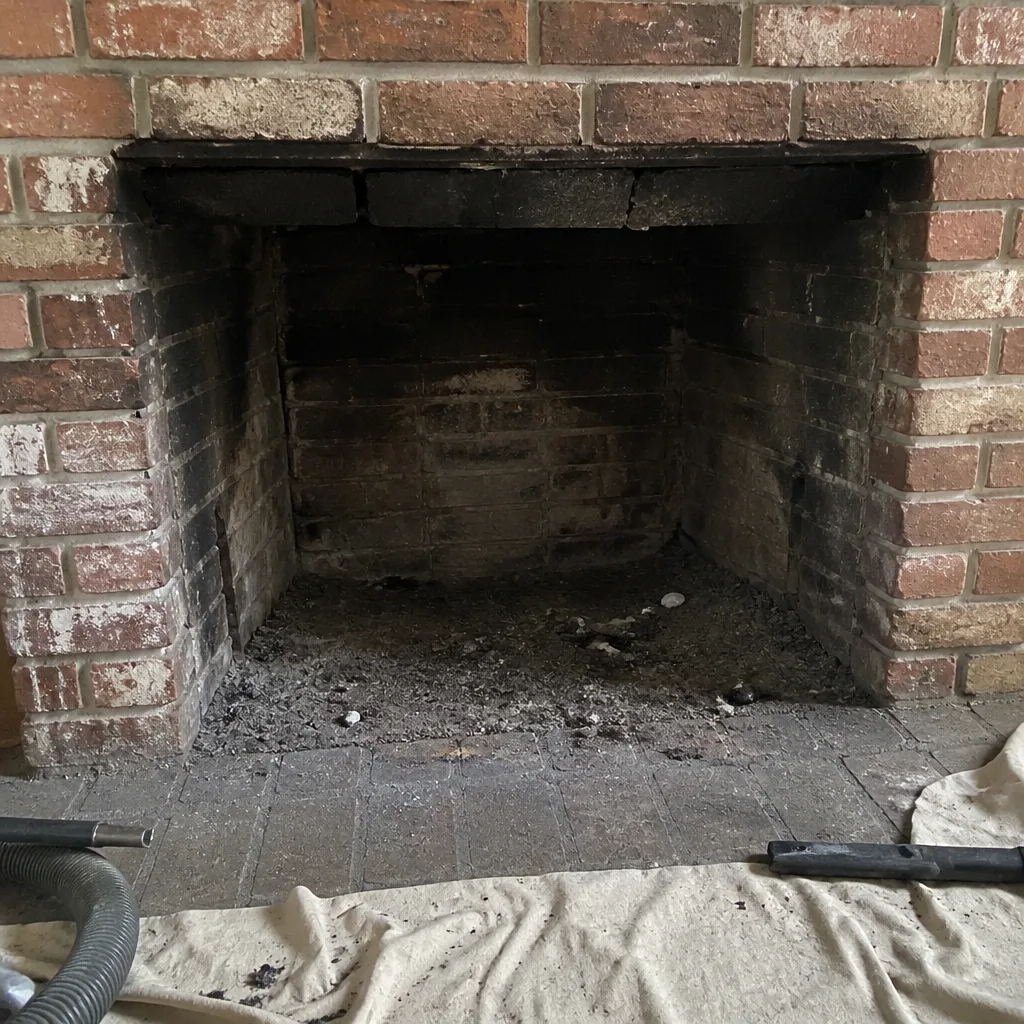 Before
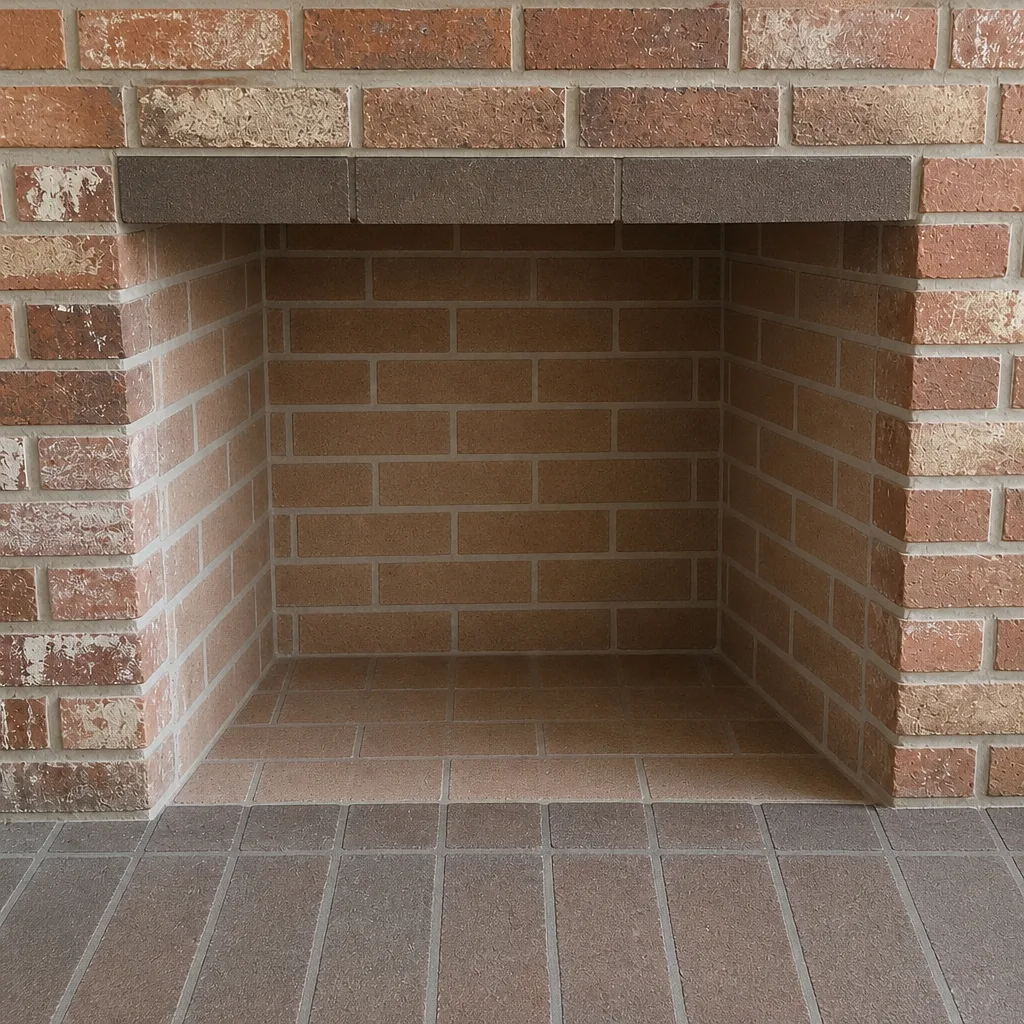 After
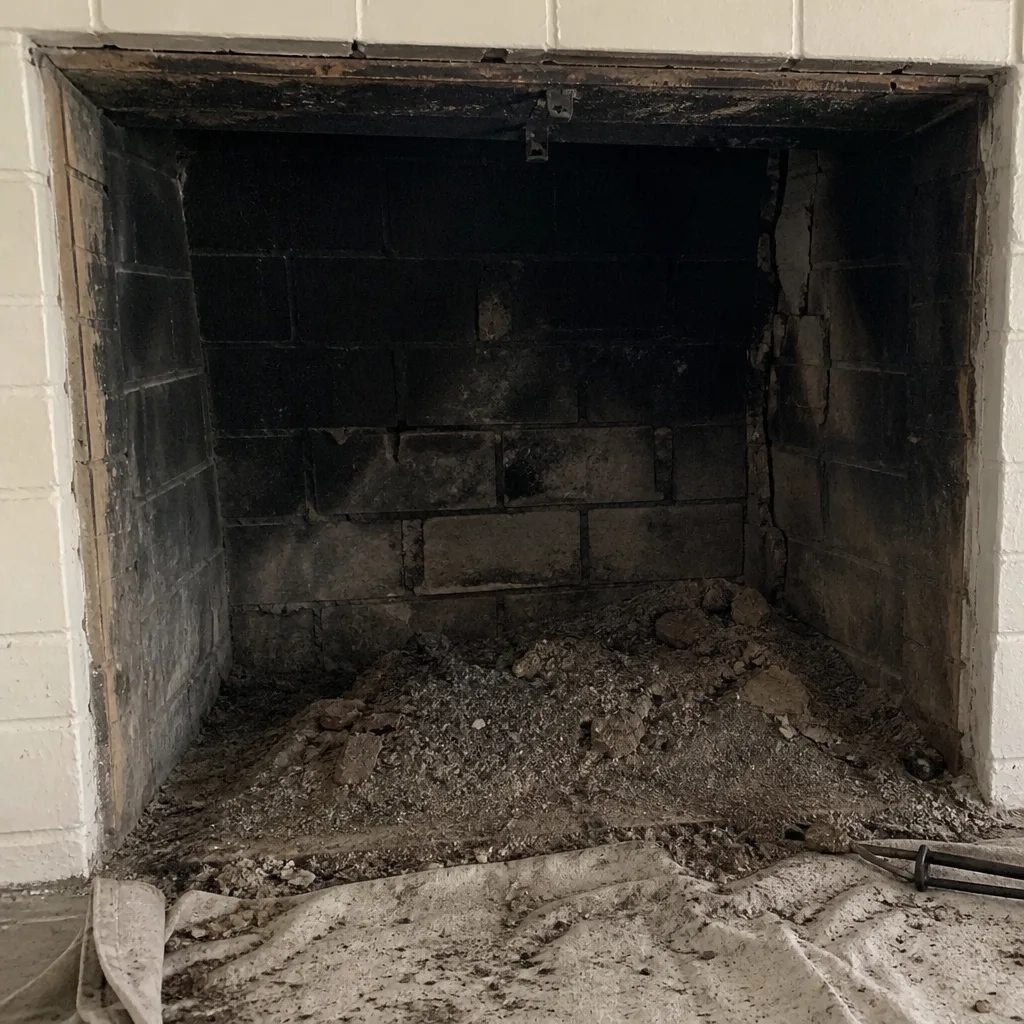 Before
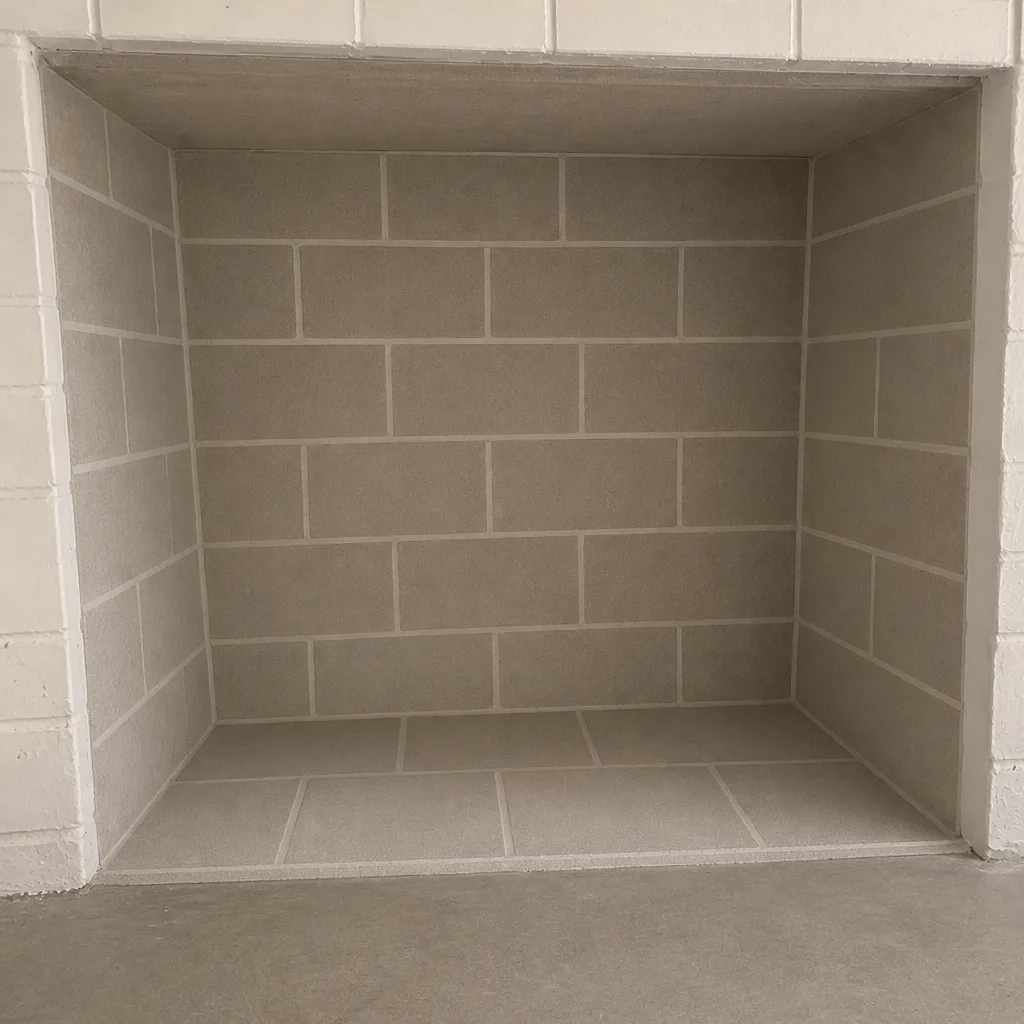 After
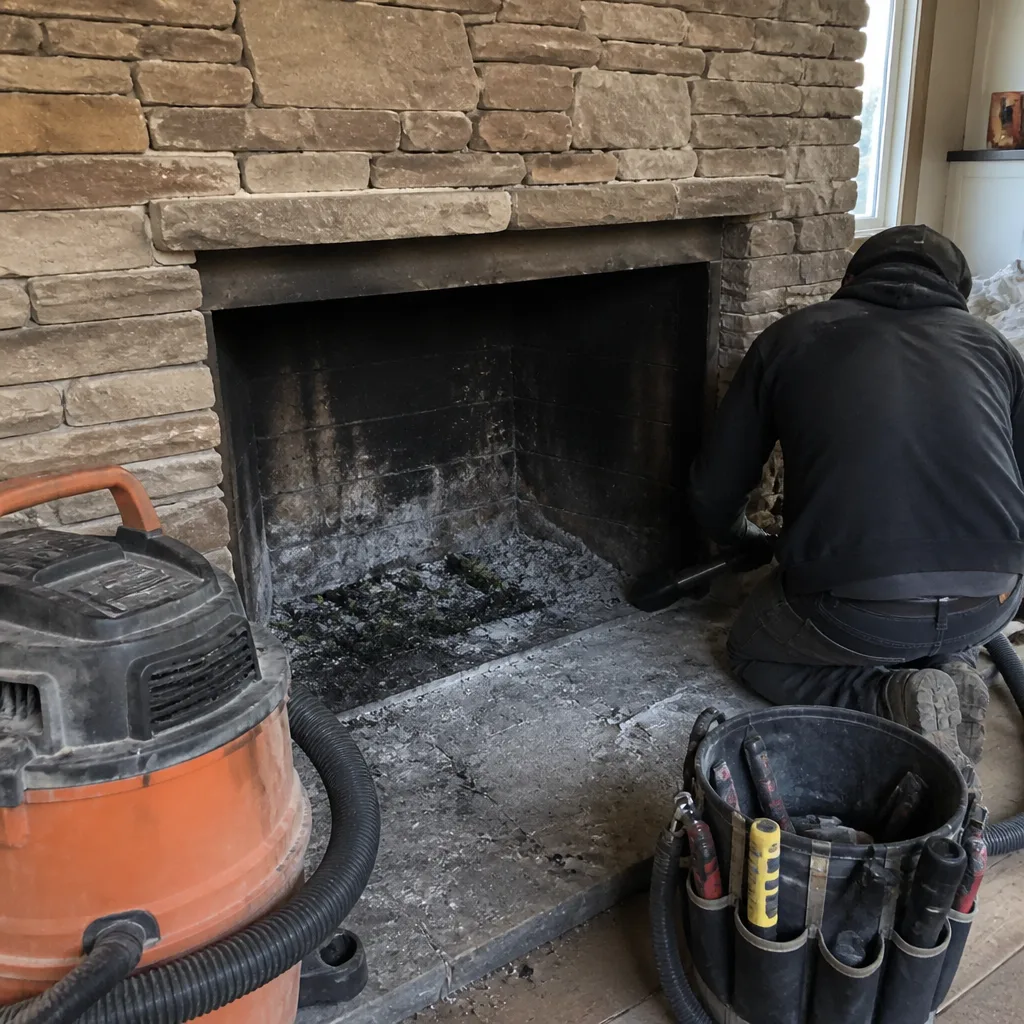 Before
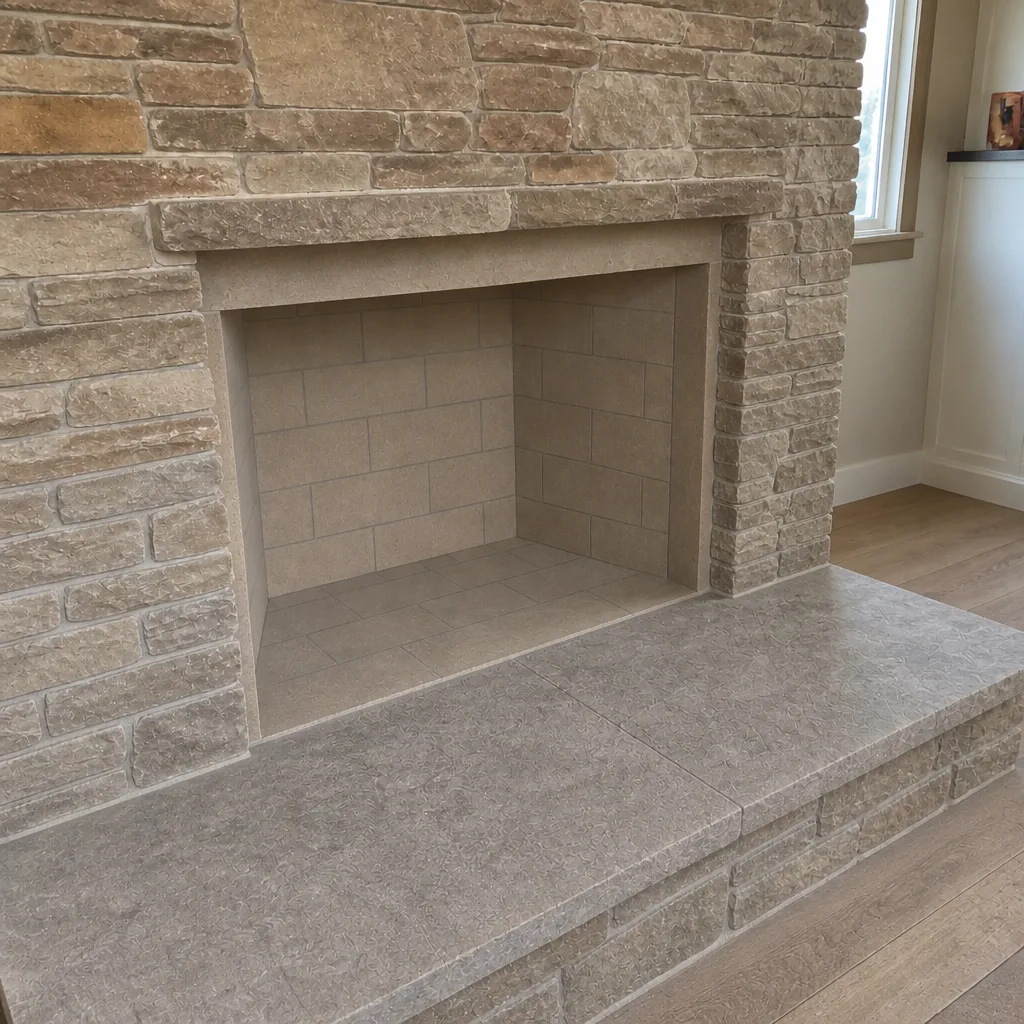 After
When to Call a Professional
Some chimney jobs are fine to defer, and some aren’t. Call a professional if you’ve never had the flue inspected and you burn fires regularly, if you notice smoke rolling out of the firebox when the damper is open, if the crown is visibly cracked or crumbling, or if the cap is missing or damaged. You should also call if there’s a strong odor from the fireplace in summer, which often points to a draft or moisture issue worth diagnosing.
The reasons to act are real. A blocked or damaged flue is a chimney fire risk, and a poorly venting fireplace can push carbon monoxide back into the living space. Those are reasons to get an inspection, not reasons to panic. A diagnostic visit tells you what’s actually there. Chimney Sweep Virginia-Highland offers free estimates in Virginia-Highland. Call (877) 492-4448. We answer 24/7. Fast dispatch from 7am to 7pm, Sunday through Friday.
Frequently Asked Questions
A typical sweep in the Virginia-Highland area is priced per job by written estimate, and the exact cost depends on the flue configuration, the number of fireplaces, and whether an inspection is included. The written estimate sets the final price, so ask for it before booking. Call (877) 492-4448 for an exact quote. Estimates are free.
Not necessarily – a new liner is only needed when the existing flue tile is damaged beyond what resurfacing can restore. HeatShield resurfacing is often the right fix for cracked clay tile, and a full stainless reline from a maker like Olympia Chimney is the option when the tile has failed structurally. In our experience, nothing should be recommended without camera evidence you can see for yourself. Call (877) 492-4448 to schedule an inspection and find out what your flue actually needs.
The right interval depends on how much you burn and what you’re burning, so there’s no single answer that fits every Virginia-Highland home. A regular inspection gives you a condition report you can use to decide whether a sweep is due this year or next. Call (877) 492-4448 to book a diagnostic inspection – estimates are free.
Skipping an inspection lets small issues – a cracked crown, a missing cap, a failing flue joint – go unnoticed until they cause water damage, drafting problems, or a chimney fire risk. It’s not a scare tactic; it’s the ordinary course of ignoring a system that lives outdoors and takes constant weather. Call (877) 492-4448 for a free estimate and a clear picture of what’s there.
Same-day service is possible for some jobs, though most structural work is booked by appointment after the inspection and estimate. The urgency here is seasonal – before the heating season starts – not hourly. Call (877) 492-4448 to schedule. We answer 24/7. Fast dispatch from 7am to 7pm, Sunday through Friday.
A sweep cleans the flue; a contractor diagnoses and repairs the whole chimney system, including liners, crowns, caps, and smoke chambers. For an older Virginia-Highland home, the diagnostic capability matters more than the brush. Chimney Sweep Virginia-Highland handles cleaning, inspection, cap and crown work, fireplace repair, and structural repair directly. Call (877) 492-4448 for a free estimate.
The Bottom Line
The right chimney contractor in Virginia-Highland is a diagnostic specialist first, a sweep second. Screen for full-system knowledge before you book: ask about liner types, smoke chamber work, and material brands. Demand a written estimate that names the scope, specifies the products, and gets the liner specs on paper. Verify insurance, especially on attached homes. Expect camera evidence before any recommendation, and expect an honest contractor to tell you when work can safely wait. Whether you need a sweep, a reline, a cap, or a full structural repair, one call covers it – sweep, inspect, repair, reline, or cap – with no subcontracting and no runaround. Call (877) 492-4448 for a free estimate. We answer 24/7. Fast dispatch from 7am to 7pm, Sunday through Friday. Our technicians have up to 9 years of experience, and the local professionals we connect you with are licensed and insured as their state requires.
Written by the team at Chimney Sweep Virginia-Highland.