
Last updated November 24, 2026
 Sweep & inspection
 Caps & crowns
 Flue relining
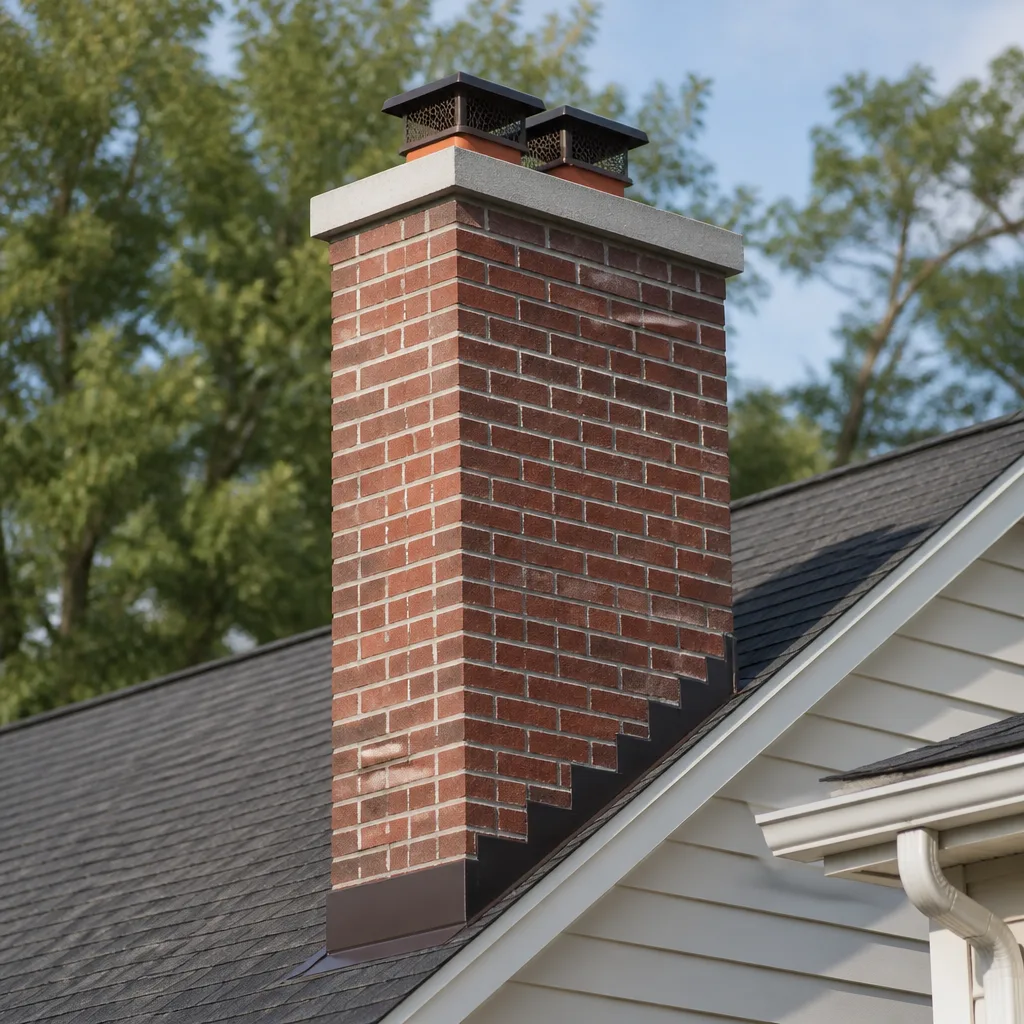 Masonry repair
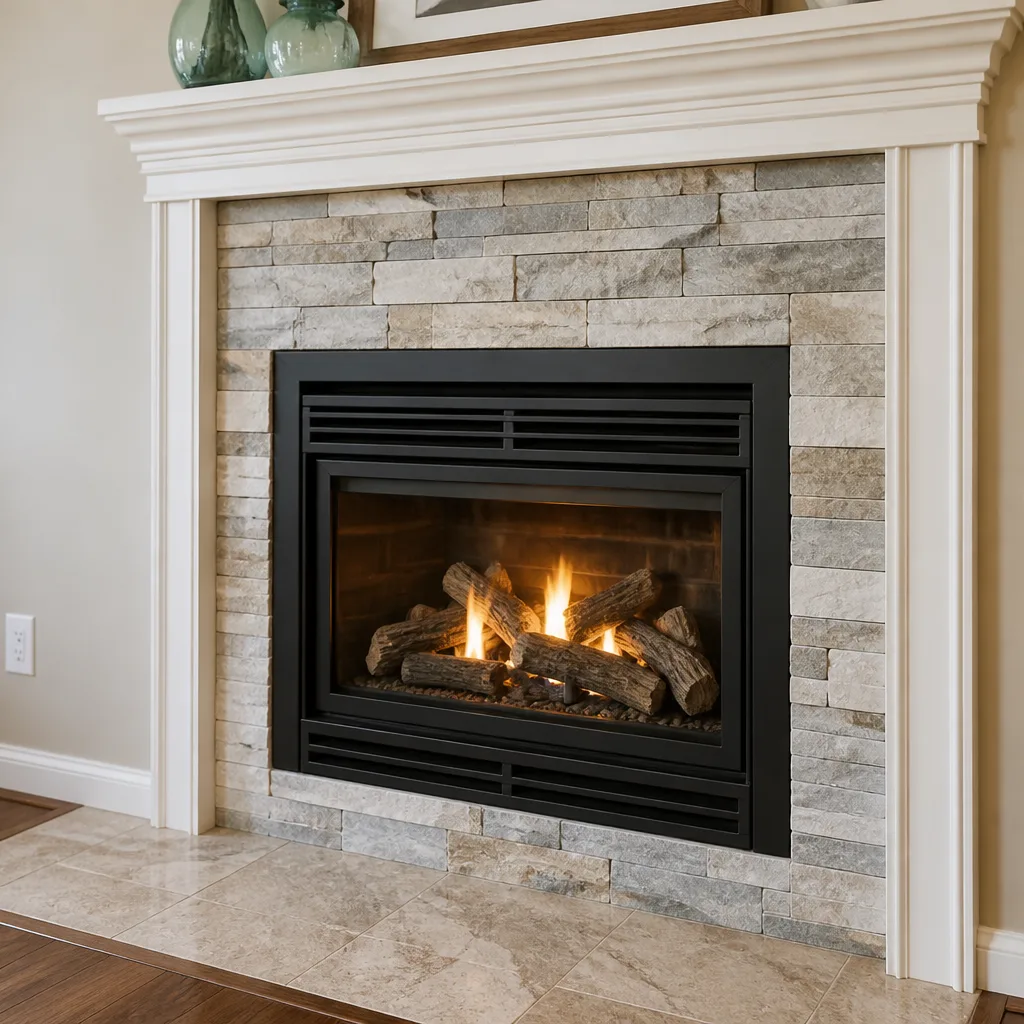 Gas fireplace service
Level 1 sweep and inspection to the NFPA 211 annual standard - flue, crown, cap, and flashing checked and photographed
Chimney sweep logs do not sweep chimneys. They loosen some creosote - which then falls where a brush and vacuum still have to collect it.
Chimney Cleaning Cost Breakdown: The Virginia-Highland Homeowner’s Reference for 2026
The $99 sweep special on the mailer almost never applies to a Virginia-Highland home with a clay tile liner, an offset flue, and a chimney that hasn’t been cleaned in three years. That flat rate assumes a straight flue, easy roof access, and a light deposit of creosote. Most of the 1920s and 1930s masonry chimneys in this neighborhood fail at least one of those assumptions, and the sticker price quietly changes once the technician is on the roof. What follows is a line-by-line breakdown of what chimney work actually costs in the Atlanta market in 2026, why access on Virginia-Highland’s narrow lots adds labor, and how to read an estimate so nothing surprises you after the truck pulls up.
Quick Answer
A basic chimney sweep in Virginia-Highland typically runs $225 to $400, with most homes landing near $325. A Level 2 inspection with a camera scan usually adds $150 to $300 on top of the sweep. Liner relining, crown repair, and smoke chamber resurfacing are separate structural jobs that range from roughly $600 for a crown rebuild to $3,500 or more for a full stainless reline, depending on flue height and configuration. The written estimate, not the advertised special, sets the final price.
Styles & brands we work with
- Sweep & inspection
- Caps & crowns
- Flue relining
- Masonry repair
- Gas fireplace service
Table of Contents
- Why Chimney Cleaning Prices Vary So Much in Virginia-Highland
- What Each Service Tier Actually Costs in the Atlanta Market
- How Virginia-Highland’s Narrow Lots and Tall Stacks Add Labor
- The Vacuum-Sealed Difference: Why It Matters in Older Homes
- How to Read a Chimney Estimate Line by Line
- The Cost of Deferring Maintenance: A Real Repair Progression
- How a Sweep Usually Goes in a Virginia-Highland Home
- When to Call a Professional
Why Chimney Cleaning Prices Vary So Much in Virginia-Highland
Two chimneys on the same block can cost different amounts to clean, and the difference isn’t the sweep’s mood that morning. It comes down to four variables: liner type, flue configuration, access difficulty, and how much creosote has built up since the last cleaning. A straight clay tile flue with a clean cap and easy roof access is the fastest job on the schedule. An offset flue, a chimney with a tile liner that’s spalling, or a stack that requires a ladder setup on a steep pitch is a different afternoon.
Virginia-Highland has a housing stock that makes these variables show up more often than in newer suburbs. The neighborhood’s bungalows and Craftsman homes were built with masonry chimneys that have had close to a century of use. Many have clay tile liners that have shifted or cracked. Several have had their original fireboxes modified over the decades, sometimes well and sometimes not. All of that affects price.
The other piece is what the sweep finds. A cleaning that turns up a cracked tile or a heavy glaze of creosote in the smoke chamber isn’t just a cleaning anymore. It’s a diagnostic that changes the conversation. That’s why we treat the sweep and the inspection as related but distinct services. You should know what’s there before you commit to fixing it.
Here’s what actually moves the number:
- Liner type – clay tile cleans differently than a stainless liner, and a damaged tile liner raises the question of relining
- Flue configuration – straight flues sweep clean quickly; offset or angled flues take longer
- Access – roof pitch, chimney height above the roofline, and ladder placement all affect labor time
- Creosote condition – light soot is a sweep; glazed creosote is a longer, more careful job
- Interior protection – a vacuum-sealed setup takes more time but protects the room you live in
If you want to understand how the service itself works before you price it, our Chimney Sweep Virginia-Highland page walks through the process from the driveway to the firebox.
What Each Service Tier Actually Costs in the Atlanta Market
Chimney work isn’t one service with one price. It’s a stack of services that get added as needed, and each has its own typical range in the Atlanta market this year. The ranges below reflect what homeowners in Virginia-Highland and the surrounding neighborhoods can reasonably expect when they book the work. They’re estimates, not quotes. The written estimate after a technician sees your chimney is what sets the final number.
- Basic chimney sweep (Level 1) – $225 to $400. Includes brushing the flue, clearing the firebox, and a visual check of accessible components.
- Level 2 inspection with camera scan – $150 to $300 added to the sweep. A camera goes up the flue to document the interior of the liner, joints, and smoke chamber. You get photos.
- Standalone inspection (no cleaning) – $175 to $325. Useful if you’re buying a home in Virginia-Highland and want an honest read on the chimney before closing.
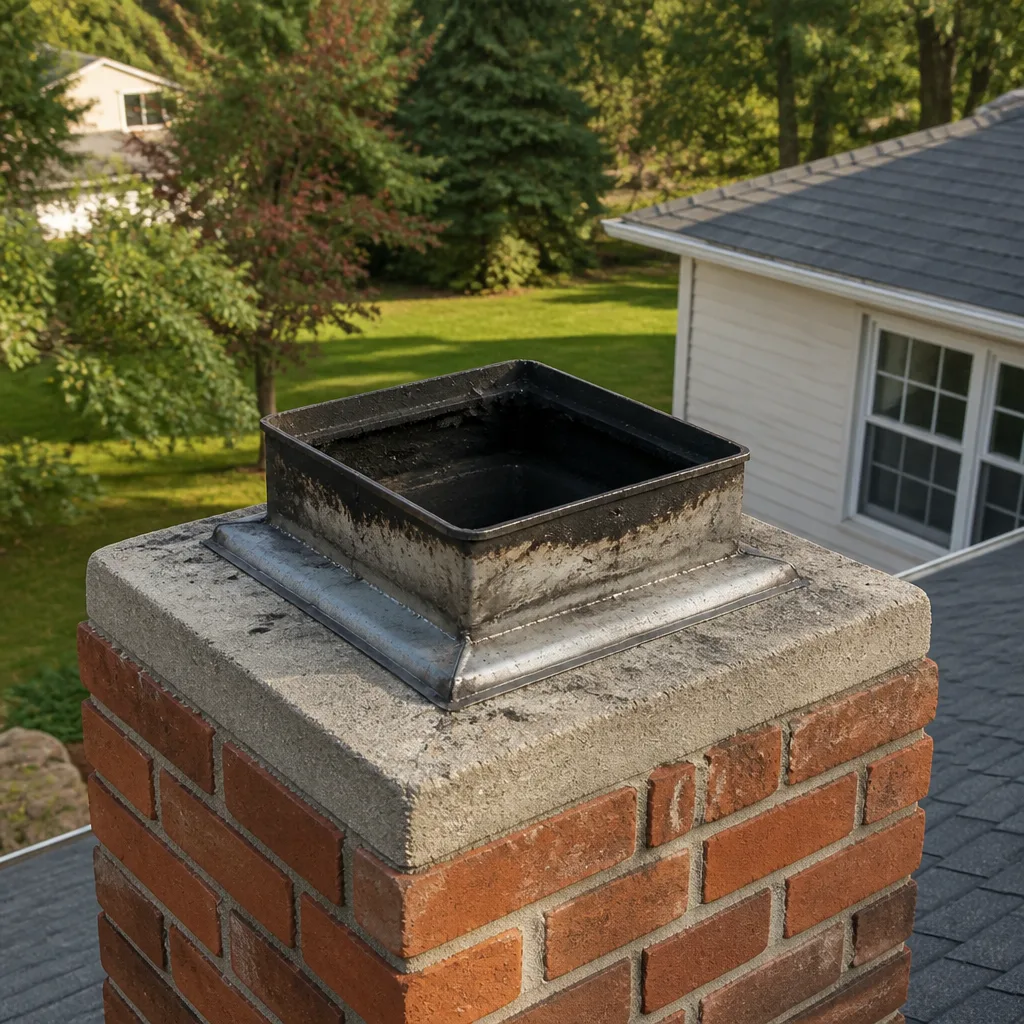
- Crown repair or rebuild – $600 to $1,500. The crown is the concrete cap on top of the chimney that sheds water. Cracked crowns let water into the masonry.
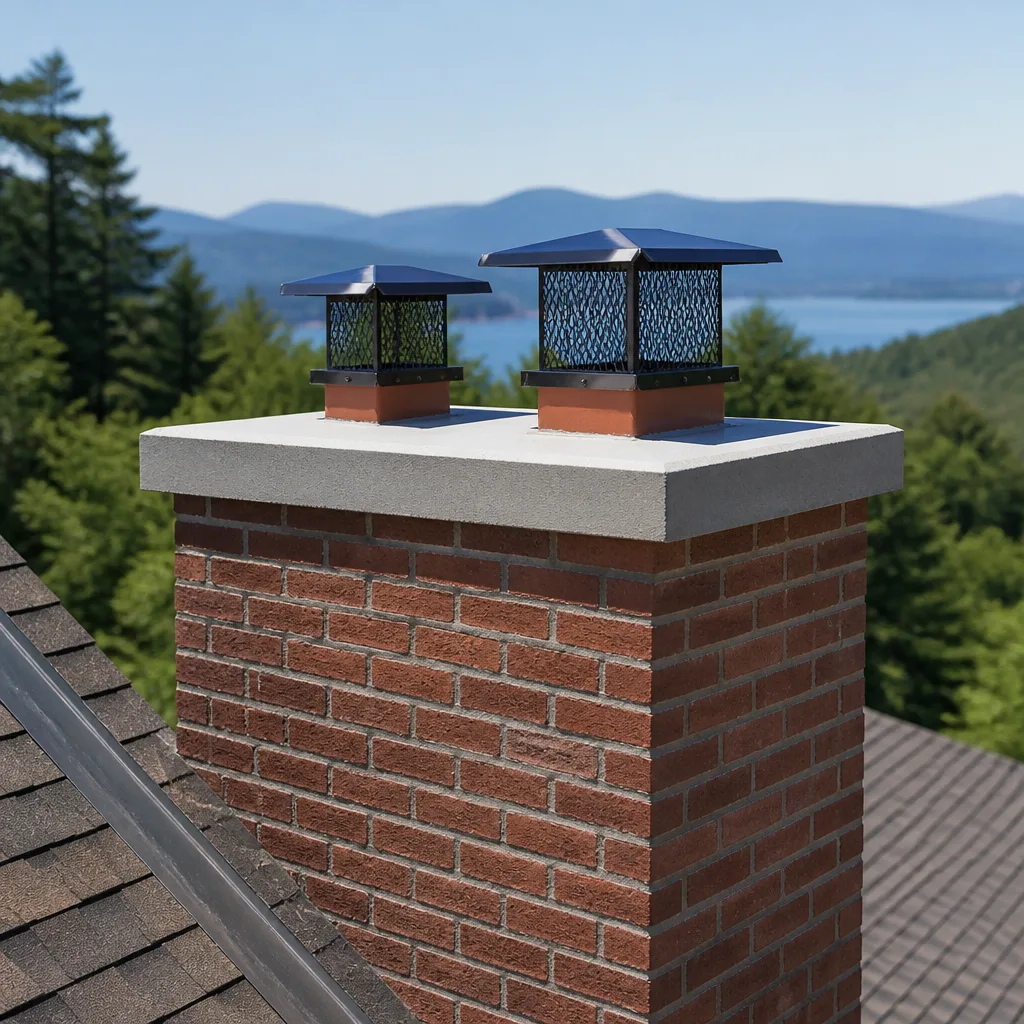
- Chimney cap installation – $250 to $650 depending on flue count and cap style. A cap keeps rain, birds, and debris out of the flue.
- Smoke chamber resurfacing – $800 to $1,800. The smoke chamber is the angled transition between the firebox and the flue; rough or damaged surfaces there slow smoke and increase creosote buildup.
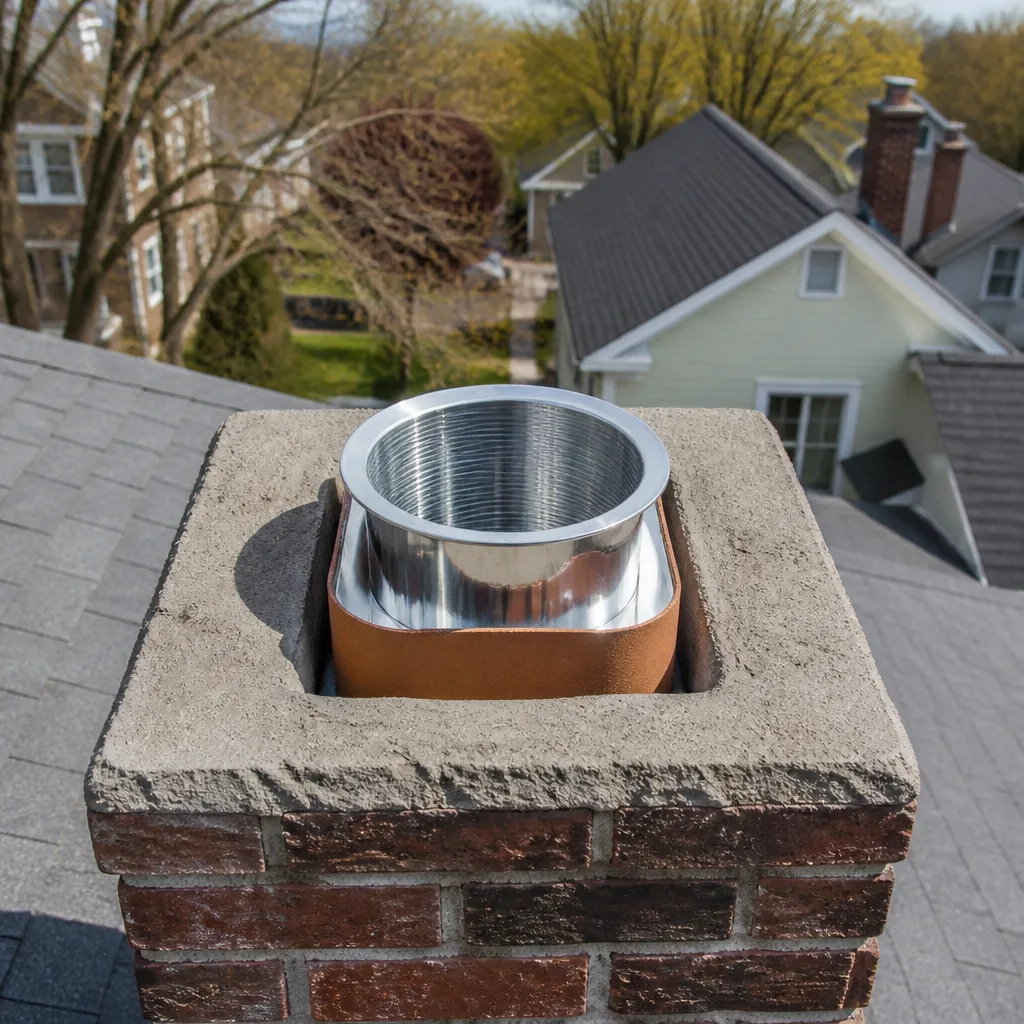
- Liner relining (full stainless system) – $2,800 to $5,500 or more. Cost depends on flue height, liner diameter, and whether the existing tile has to be removed or can be relined in place.
- HeatShield liner resurfacing – $1,500 to $3,200. A restoration of damaged flue tile rather than a full reline, when the tile can be salvaged.
Notice the spread between the sweep and the reline. That’s the whole argument of this guide. A sweep is the affordable part. The structural work is where the money lives, and it’s also where most homeowners get caught off guard because nobody explained the tiers upfront.
Two jobs are worth separating out because they’re so often confused with cleaning. Cap and crown work is its own trade: we use Gelco, Famco, and Copperfield products for cap and crown installations because different flue configurations call for different fits, and a single-brand shop can’t always match what your chimney actually needs. If you want the details, our chimney cap & crown page covers the options. Fireplace repair, from damper issues to firebox masonry, is another separate service; that’s covered on our fireplace repair page.
How Virginia-Highland’s Narrow Lots and Tall Stacks Add Labor
Access is the quiet cost driver that almost never appears as a line item on an estimate. It shows up as a slightly higher base rate, or as a few hours of setup that push a job into a longer time slot. On a wide suburban lot with a low-pitch roof and a chimney that sits a few feet above the ridge, a technician can set a ladder, get up, and get to work in fifteen minutes. On a narrow Virginia-Highland lot with a steep gable roof and a stack that rises well above the roofline, the same setup takes considerably longer and requires more careful rigging.
Here’s what changes the labor picture on a typical Virginia-Highland property:
- Ladder placement on tight side yards. Many lots in the neighborhood have narrow side yards and mature trees close to the house. A ladder has to be set at a safe angle, which sometimes means working from the front or back rather than the side.
- Roof pitch and height. Steep pitches and tall stacks require more cautious setups, sometimes with roof anchors or a harness system. That’s time, and time is the largest part of any chimney labor cost.
- Chimney height above the roofline. Codes generally require a chimney to extend above the roof by a specific amount relative to the ridge line, and older Virginia-Highland homes sometimes have stacks that are unusually tall. Taller stacks mean taller ladders or more staging.
- Interior access. Some sweeps can be done from inside the firebox with a drop cloth and vacuum; others need to go from the roof. Which direction makes sense depends on the flue and the interior layout.
None of this means a Virginia-Highland chimney is harder to clean than any other. It means the labor on these lots is closer to the top of the price range than the bottom, more often than you’d think. If your last sweep felt expensive, access is likely a big part of why.
The roof also takes a beating from Atlanta’s summer storms and the pollen that coats everything from March through May. A chimney crown that’s cracked from freeze-thaw cycles in a cold January gets worse through a wet spring. That’s a separate cost, but it’s the same conversation: what’s actually there, and what does it take to fix it. We don’t recommend crown or cap work without showing you the condition that justifies it.
The Vacuum-Sealed Difference: Why It Matters in Older Homes
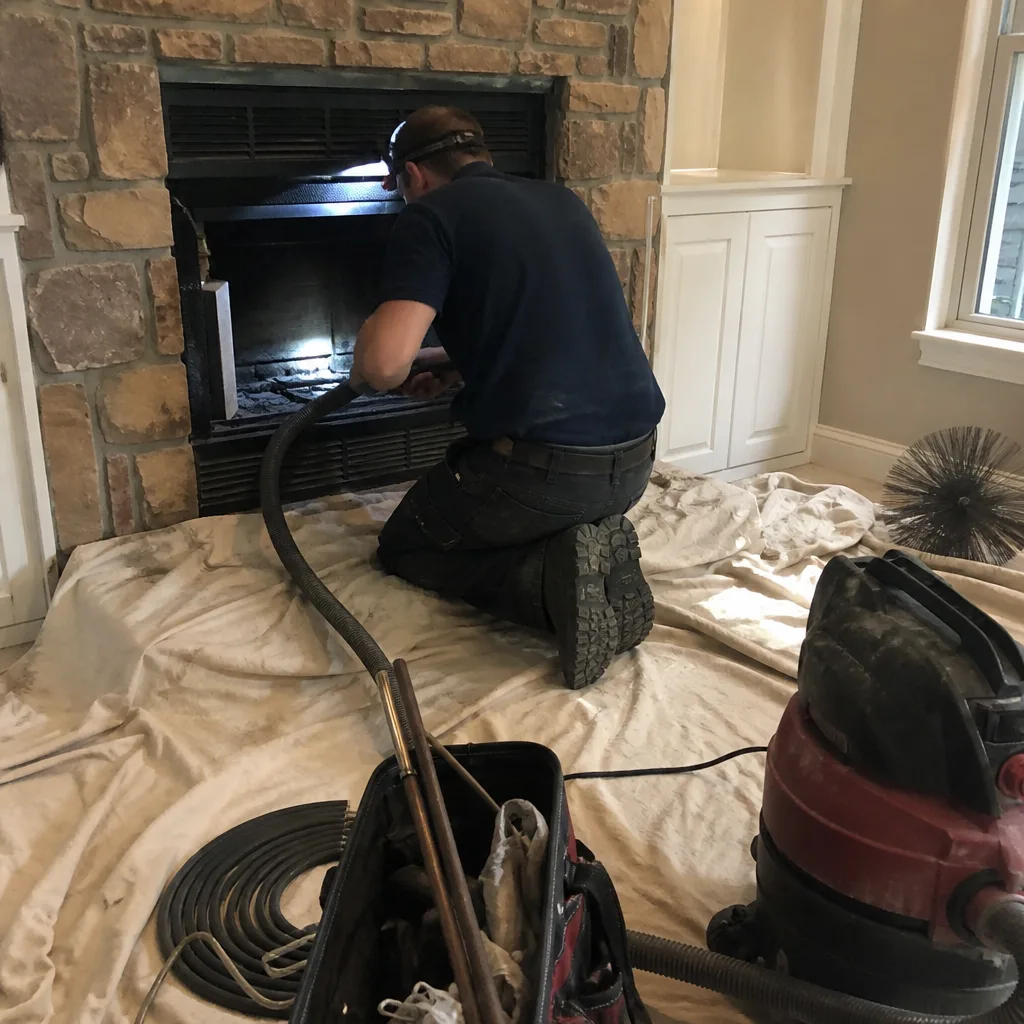
A chimney sweep without proper dust control is a mess waiting to happen. When creosote and soot get brushed off the flue walls, they fall. In an older Virginia-Highland home with original hardwood floors, plaster walls, and whatever textiles you’ve chosen to live with, “it’ll clean up” isn’t a reassuring answer. A vacuum-sealed system uses a high-volume HEPA vacuum connected directly to the flue opening, keeping the dust inside the system rather than in your living room.
The cost difference is real. A sweep with a vacuum-sealed setup typically sits in the middle of the range, roughly $300 to $400 for a typical Virginia-Highland job. A cheap sweep without one might come in lower on the invoice, but the cleanup burden shifts to you. The dust that settles on every horizontal surface after a poorly contained sweep is not the kind of thing that wipes off with a damp cloth. It gets into fabric, into the seams of furniture, into the gaps in old floorboards.
There’s also a health and safety angle. Creosote dust and soot are not harmless. A properly contained sweep keeps that material in a sealed system where it can be bagged and disposed of correctly. That’s part of what the price buys.
If you’re calling around on price alone, ask two questions before you book:
- Do you use a HEPA vacuum connected to the flue, or do you sweep with drop cloths only?
- Do you put down floor protection in the work area, and do you clean up before you leave?
A company that can answer both without hesitation is likely a company that takes the interior of your home seriously. One that can’t answer is likely pricing the job for a garage, not for a 1930s bungalow with plaster walls and original trim. We use a sealed vacuum on every job because the alternative creates exactly the kind of mess a homeowner doesn’t want to think about afterward.
Our technicians have up to 9 years of experience working in homes like the ones throughout Virginia-Highland, and they’ve seen what an uncontrolled sweep does to a room. It’s the kind of thing you only have to see once.
How to Read a Chimney Estimate Line by Line
A chimney estimate is a contract proposal, and the words matter. Two estimates for the “same” job can differ by $200 or more because one includes a camera scan of the liner and the other only includes a visual look from the top. Understanding the language is how you compare apples to apples and how you avoid paying for a service you thought you were getting.
Here’s how to decode the most common line items:
- “Sweep” or “cleaning” – The basic brushing of the flue and firebox. This is the level-1 service. It includes a visual inspection of accessible parts but not a camera scan of the full flue.
- “Visual inspection” – A look at what’s visible from the firebox and the rooftop. It’s included in the sweep and costs nothing extra, but it can miss problems deep in the flue.
- “Liner inspection” – Ambiguous. Sometimes it means a visual look at the liner from the top; sometimes it means a camera scan. Ask which.
- “Liner camera scan” or “video inspection” – A camera is sent through the flue, and the technician records what it sees. You should get photos or video. This is the Level 2 inspection, and it’s the one that catches cracks and gaps that a visual look can miss.
- “Relining” – A new liner system installed inside the existing flue. Could be stainless (DuraFlex or Olympia Chimney are common professional-grade choices), or could be a resurfaced clay tile using a product like HeatShield. The terms aren’t interchangeable, and the price difference can be significant.
- “Crown” or “crown rebuild” – Repair or replacement of the concrete cap on top of the chimney. Confirm whether the estimate includes the right mortar or bonding material and whether it includes the overhang.
- “Cap” – The metal or masonry structure that sits on top of the flue to keep weather and animals out. Confirm how many flues the cap covers; a multi-flue cap costs more than a single.
- “Smoke chamber” – The angled transition inside the chimney between the firebox and flue. If it’s on the estimate, ask why the technician flagged it and request the photo or video that justifies the recommendation.
The $200-plus difference between “liner inspection” and “liner camera scan” is exactly the kind of gap that produces surprise costs. A sweep that skips the camera scan may miss a cracked tile that later becomes a much larger repair. A sweep that includes it may cost more upfront but catches problems while they’re still cheap to fix. We include a camera inspection and a photo report on every job that needs one, so you can see what we’re seeing and decide whether the repair is worth doing now or can safely wait.
The Cost of Deferring Maintenance: A Real Repair Progression
This is the part of the guide that matters most, and it’s the part that rarely gets explained clearly. Chimney repairs don’t happen in a straight line. They happen in stages, and each stage has a cost. If you catch a problem at the early stage, the fix is affordable. If you wait, the cost compounds. Not because anyone is upsizing the job, but because damage moves.
Here’s the progression as it typically plays out:
- Stage 1: Annual sweep, roughly $325. A clean flue, a visual inspection, and a written record of condition. This is the cheapest stage and the one that catches everything else early.
- Stage 2: Minor crown or cap repair, roughly $250 to $650. A small crack in the crown or a missing cap screen gets noticed during the sweep. Fixing it now stops water intrusion.
- Stage 3: Smoker chamber or firebox repair, roughly $800 to $1,800. Water has gotten in, the smoke chamber is rough, or the firebox mortar is failing. The fix is meaningful but contained.
- Stage 4: Liner reline or HeatShield resurfacing, roughly $1,500 to $5,500. The tile liner has cracked or spalled enough that it can’t safely contain a fire. This is the expensive stage, and it’s the stage that most often gets reached because stages 1 through 3 were skipped.
- Stage 5: Masonry rebuild or structural repair, potentially several thousand dollars. Prolonged water intrusion and freeze-thaw damage have compromised the chimney structure itself. This is the worst-case outcome, and it’s avoidable in most cases.
The real argument for a $325 sweep is not the sweep itself. It’s that a sweep is the cheapest instrument for catching a $3,000 liner replacement before it becomes a $3,000 liner replacement. A sweep that includes a camera scan and a written report gives you a record of what was there, what changed, and what to watch. That record is worth more than the price of the sweep.
The other thing to be honest about: not every problem needs fixing right away. A minor crown crack that isn’t letting water in can wait a season. A small amount of spalling on a tile that still seals can be monitored. The question is whether you have a technician willing to tell you that plainly, or one who’s motivated to sell the biggest job on the list. That’s why we offer inspection as a standalone service. If your chimney is in decent shape, an inspection should say so.
How a Sweep Usually Goes in a Virginia-Highland Home
A chimney sweep is a straightforward process, but knowing what to expect helps you plan the day and ask the right questions. The general flow looks like this:
- Setup. The technician lays down drop cloths and connects the vacuum to the flue opening. This is where the vacuum-sealed difference becomes visible in the first few minutes.
- Flue brushing. The flue is brushed from the roof or from the firebox, depending on configuration. Creosote and soot come down the flue into the vacuum.
- Firebox cleaning. Ash and debris are removed from the firebox, and the damper and smoke shelf are checked.
- Visual inspection. The accessible components are checked: firebox mortar, damper operation, cap condition, crown condition, and the top of the flue.
- Camera scan (if needed). A camera is run through the flue to document the liner condition. You get photos.
- Report. The technician walks you through what was found, what it means, and what (if anything) needs to be done. Recommendations should come with photos.
- Cleanup. The work area is cleaned, the vacuum is packed up, and the debris is removed.
Most Virginia-Highland sweeps take between one and three hours, depending on access and what’s found. Older homes with plaster walls and original trim tend to get a slightly slower setup because the technician is being careful. Newer construction or homes with a modern stainless liner go faster.
The condition of the flue matters for scheduling, too. If the camera scan turns up glaze-stage creosote, that’s a return visit with a chemical treatment and a longer brush cycle. Glaze-stage creosote is the kind that ignites at low temperatures and is the leading cause of chimney fires. It’s the reason a sweep is worth doing before the first fire of the season rather than after.
For a closer look at how we approach a sweep in the neighborhoods near Virginia-Highland, our chimney sweep page walks through the process for a nearby community.
Common Mistakes to Avoid
- Booking on price alone. A sweep that comes in well below the typical range is usually cutting something: no vacuum, no camera scan, no written report. The cheapest sweep often becomes the most expensive job when a missed problem turns into a reline.
- Thinking a “Level 1 sweep” includes a camera scan. It doesn’t. Level 1 is the visual inspection of accessible parts. Level 2 is the camera scan, and it’s a separate line item for a reason. Confirm which one you’re getting.
- Putting off the sweep until the first cold weekend. Chimney technicians get booked quickly in October and November. In Virginia-Highland, early fall is the right window for a sweep: it catches winter damage from the previous year and gets you ahead of the burn-season rush.
- Assuming a fireplace that “works fine” is safe. Creosote can build up to dangerous levels even in a fireplace that draws well. The way you find out is a sweep with a camera scan, not a guess based on how the fire behaves.
- Letting a chimney cap go missing. A missing cap is a direct line for rain, birds, and debris. It’s an inexpensive fix and a costly repair when it’s ignored.
- Ignoring a crack in the crown. A hairline crack in the crown is a small repair now. Water intrusion through that crack over a few winters is a bigger one later.
- Skipping the written report. Ask for a written condition report with photos. It’s your record of what was there and what changed, and it’s the difference between maintenance and guesswork.
See the difference
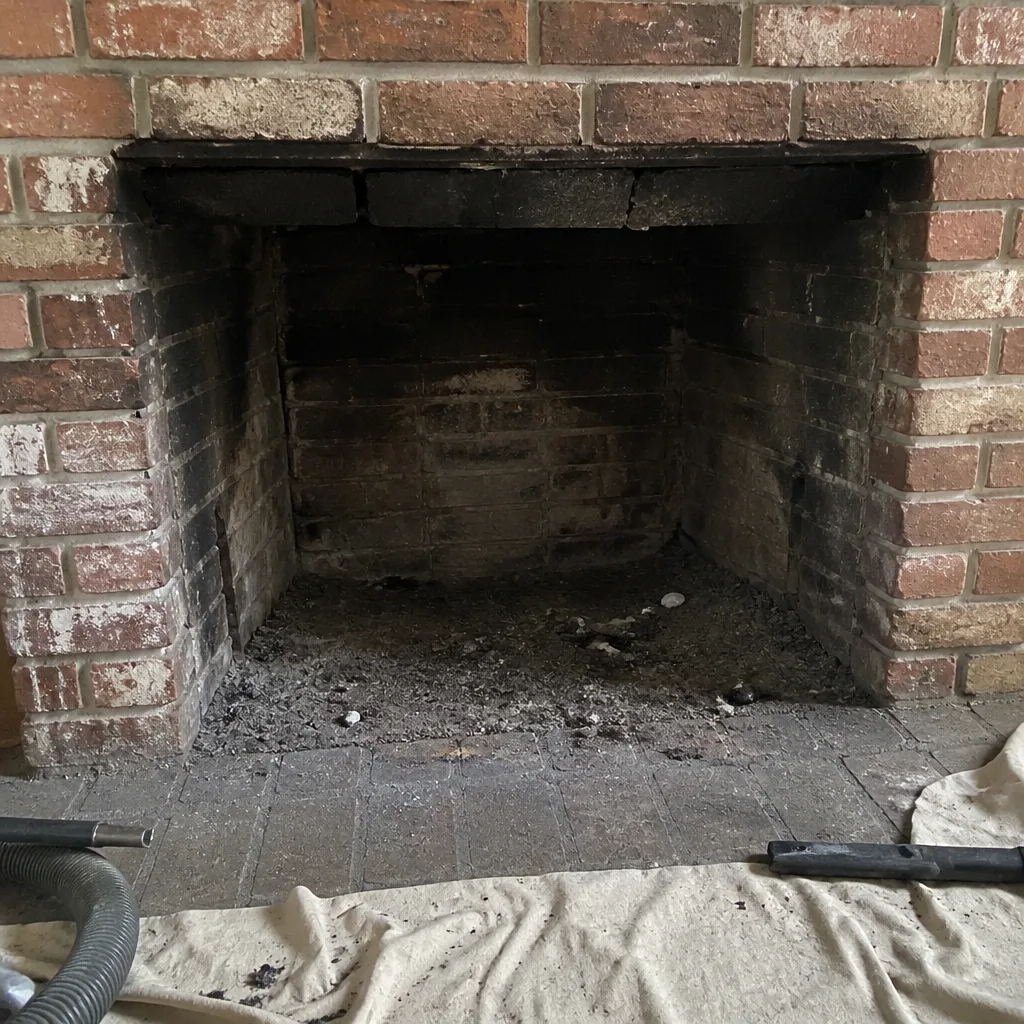 Before
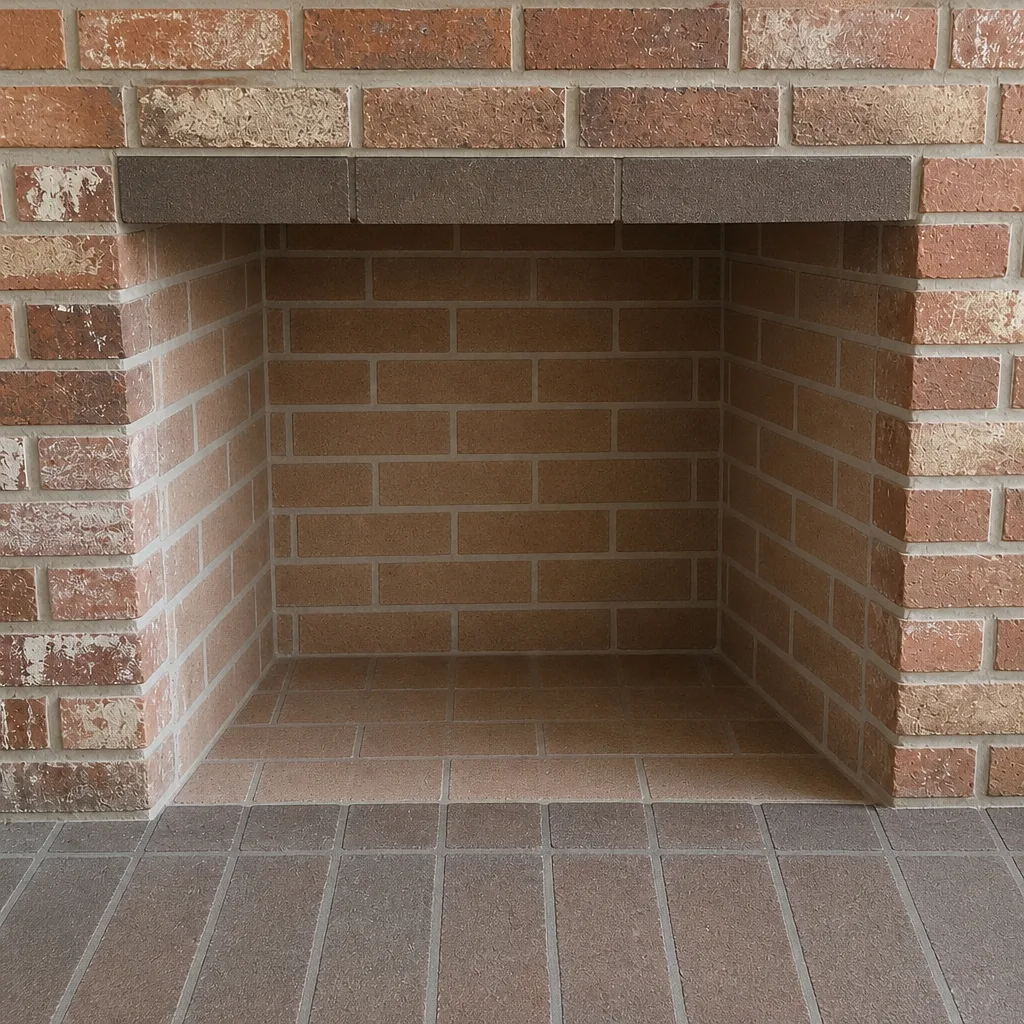 After
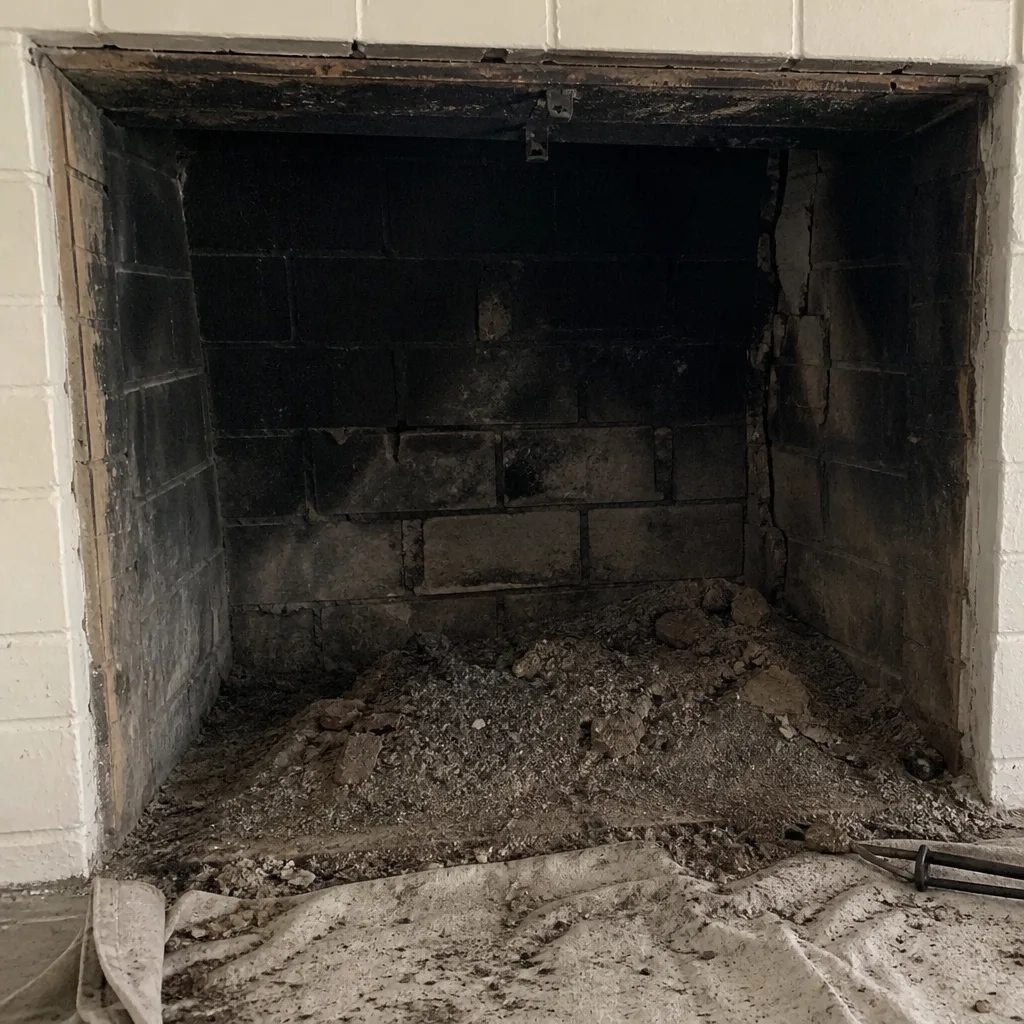 Before
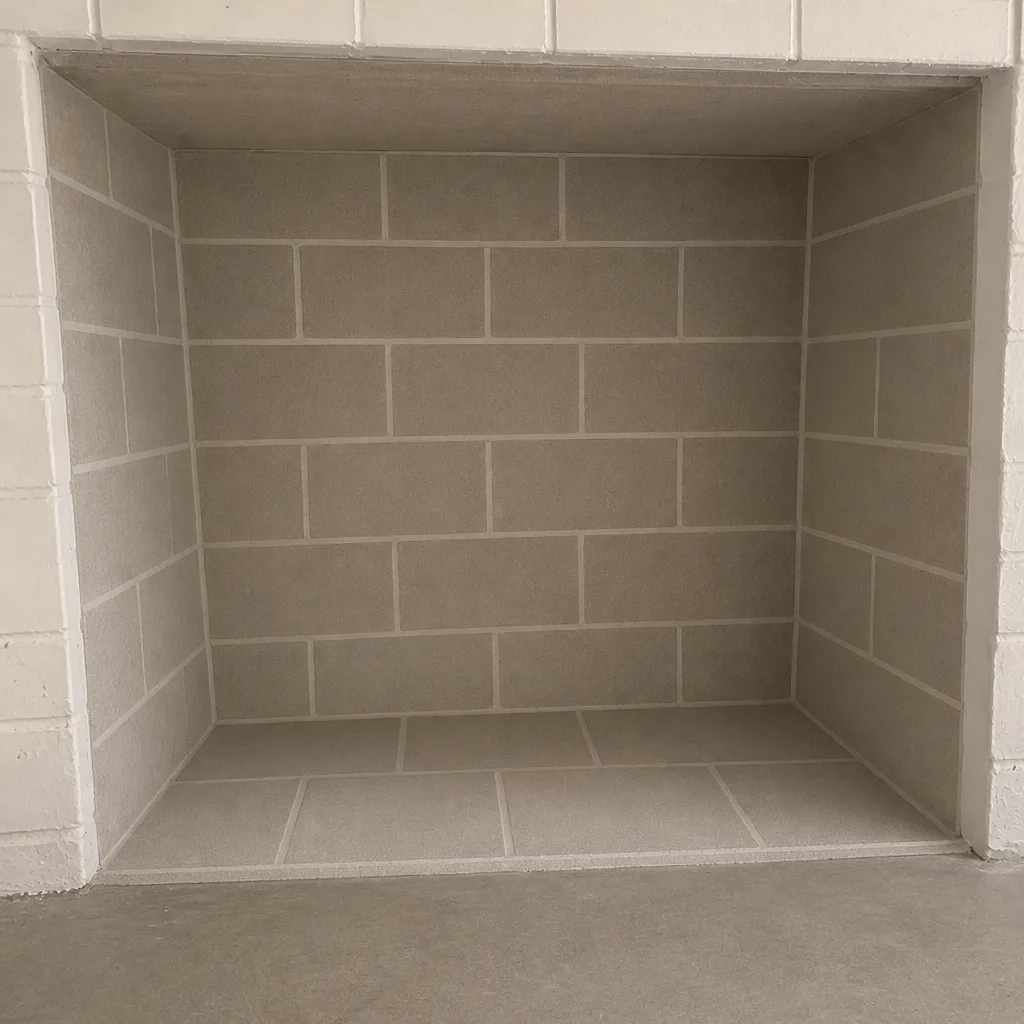 After
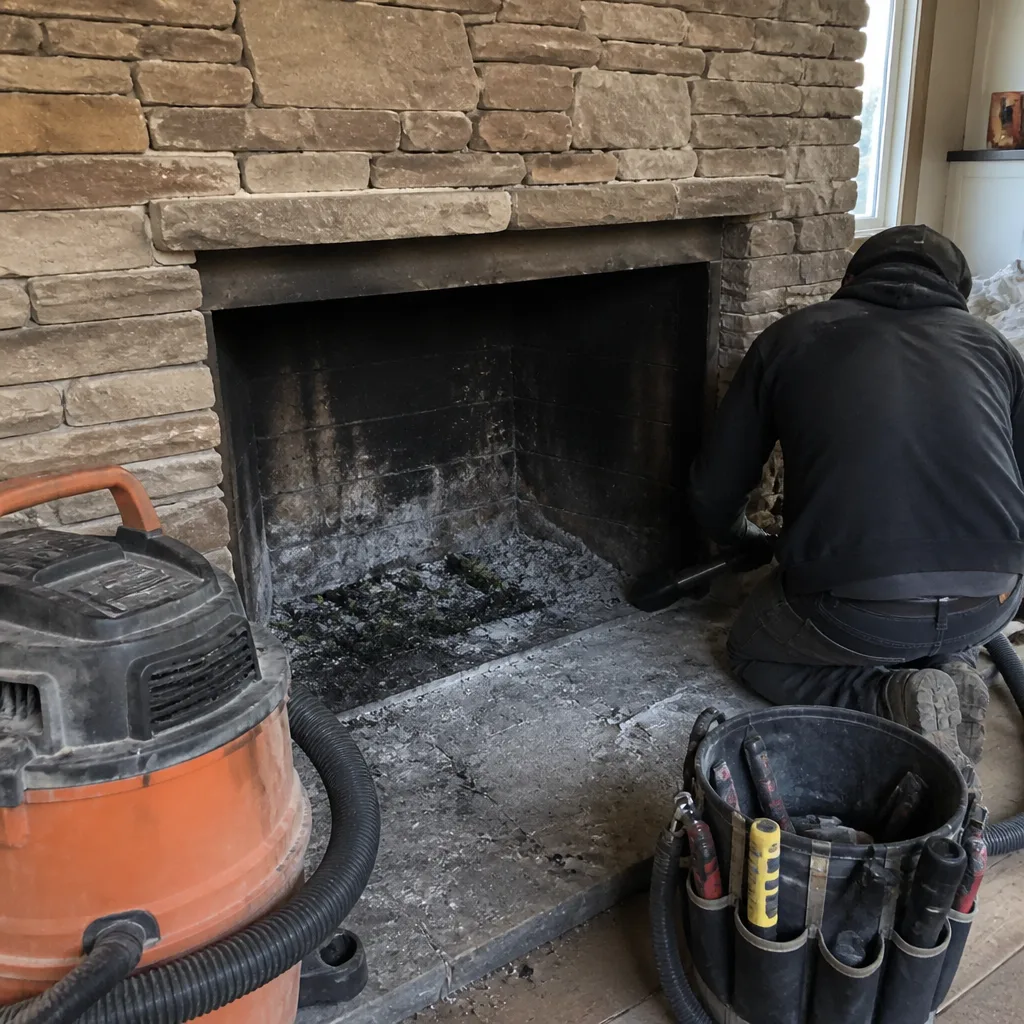 Before
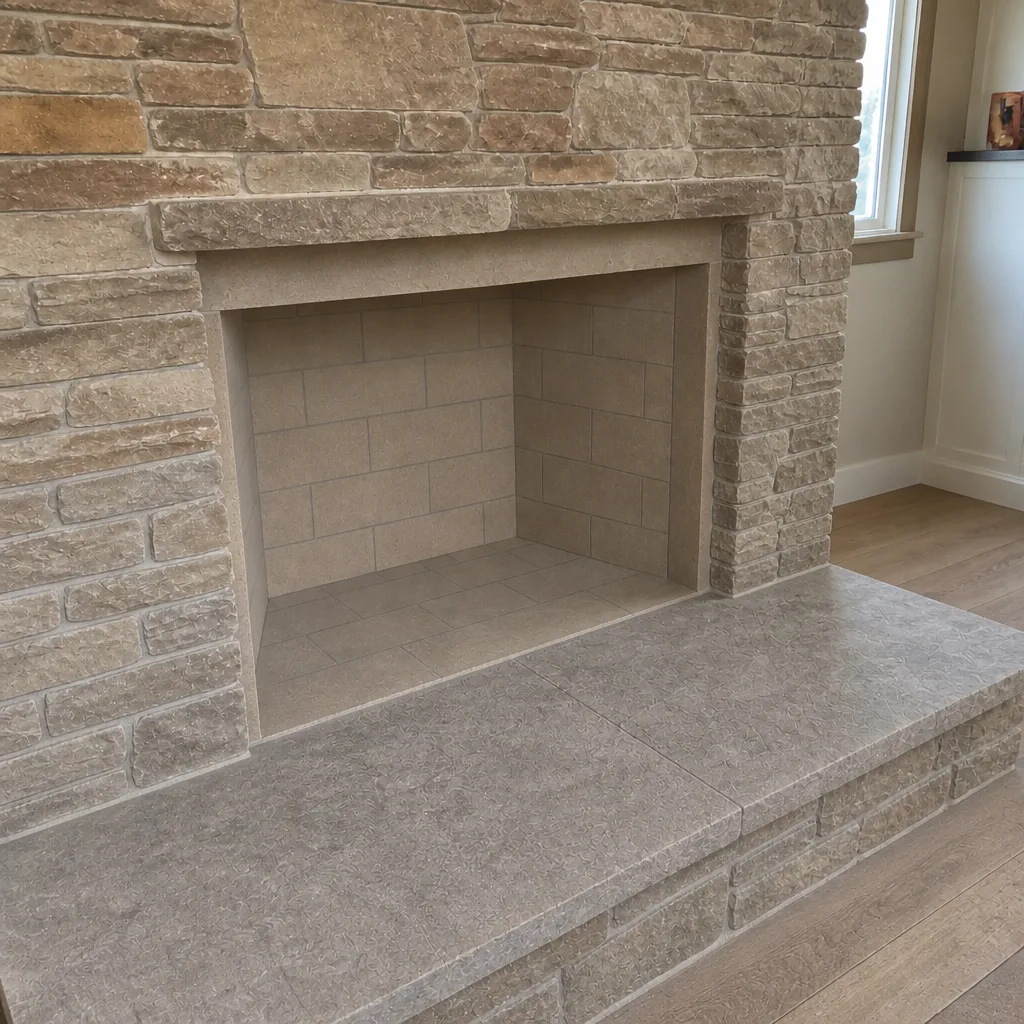 After
When to Call a Professional
Some chimney issues are obvious and some aren’t. Call a professional if you noticed a strong creosote smell in the house after burning, if smoke backs into the room rather than going up the flue, if you can see cracked or spalling tile from the firebox, or if your last sweep was more than a year ago and you’ve been burning regularly. Call before you buy a Virginia-Highland home with a fireplace you intend to use; a standalone inspection gives you the condition you need before closing. And call before the first fire of the season if the cap or crown looks damaged, since water intrusion through a damaged crown compounds quickly in Atlanta’s wet winters. Chimney Sweep Virginia-Highland offers free estimates in Virginia-Highland. Call (877) 492-4448. We answer 24/7. Fast dispatch from 7am to 7pm, Sunday through Friday.
Frequently Asked Questions
A basic chimney sweep in Virginia-Highland typically runs $225 to $400, with most homes landing near $325. Homes that need a camera scan of the liner add $150 to $300, and homes with significant creosote buildup or difficult access land toward the top of the range. The written estimate after the technician sees the chimney sets the final price. Call (877) 492-4448 for an exact quote. Estimates are free.
You need a new liner if the existing clay tile has cracked, spalled, or shifted enough that it can’t safely contain the heat and gases from a fire. A camera scan shows you whether that’s happened. If the tile is intact, a full reline isn’t necessary, though a damaged section may benefit from a resurfacing system like HeatShield that restores the tile in place. Nothing should be recommended without camera evidence you can see for yourself. Call (877) 492-4448 to schedule a camera inspection.
Once a year for a home that uses the fireplace regularly, and more often if you burn frequently or notice buildup. The right schedule depends on how much you burn, what you burn, and the condition of the flue. A sweep with a written report tells you whether the flue is on track or needs attention sooner. Call (877) 492-4448 to book a sweep for the upcoming season.
Creosote builds up in the flue, and at high enough concentrations it can ignite, which is a chimney fire. It also masks developing problems, like cracked tile or a failing crown, that are cheap to fix early and expensive to fix later. A $325 sweep catches those early. A $3,200 liner replacement is what happens when they aren’t caught. Call (877) 492-4448 to schedule a sweep before the season starts.
Access. The neighborhood’s narrow side yards, steep roof pitches, and tall stacks mean a longer setup than a wide-lot home with easy roof access. That setup time is labor, and labor is the largest part of any chimney cost. It’s not that a Virginia-Highland chimney is harder to sweep. It’s that the property takes more careful staging. Call (877) 492-4448 for a walkthrough and a written estimate.
Yes, in most cases a cracked crown can be repaired or rebuilt as a standalone job, typically $600 to $1,500 depending on the extent of the crack. A crown rebuild is a day’s work and doesn’t require replacing the chimney structure. The key is catching it before water intrusion has damaged the masonry below. Call (877) 492-4448 for an inspection and an honest read on what needs to be done now versus what can wait.
The Bottom Line
Chimney cleaning in Virginia-Highland isn’t a flat-rate service, and treating it as one is how homeowners get surprised by the bill. A basic sweep runs $225 to $400. A camera scan adds $150 to $300. Crown and cap work, smoke chamber resurfacing, and liner relining are separate structural jobs with their own ranges, and they’re the ones that matter most in the long run. The cheapest path through all of it is the annual sweep with a written report, because it catches the cracks before they become rebuilds. The most expensive path is the one where you skip a few years and pay for a liner replacement you didn’t see coming. Get the written estimate, ask for the camera scan, and look at the photos before you authorize anything. That’s how a homeowner budgets accurately instead of getting surprised.
Call (877) 492-4448. We answer 24/7. Fast dispatch from 7am to 7pm, Sunday through Friday.
Written by the team at Chimney Sweep Virginia-Highland.